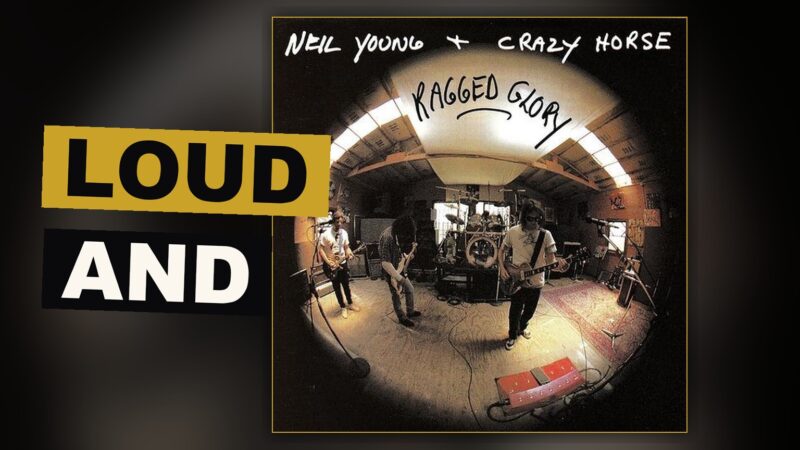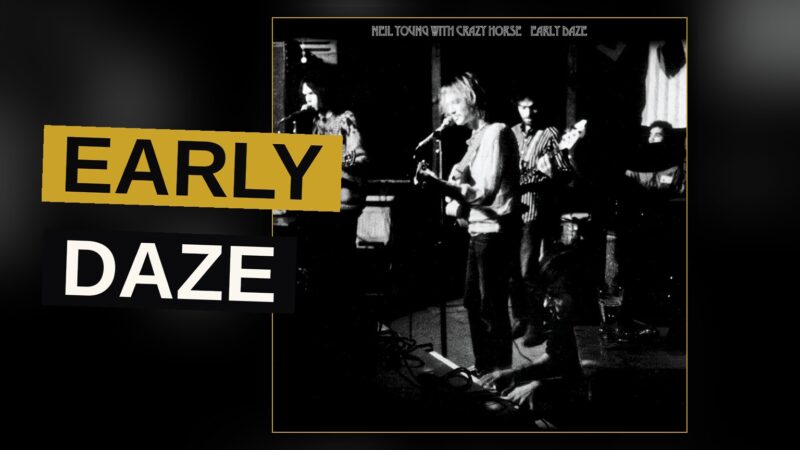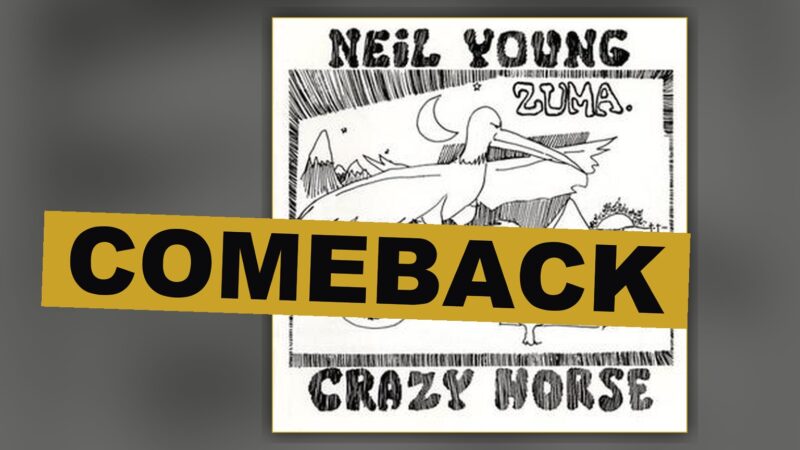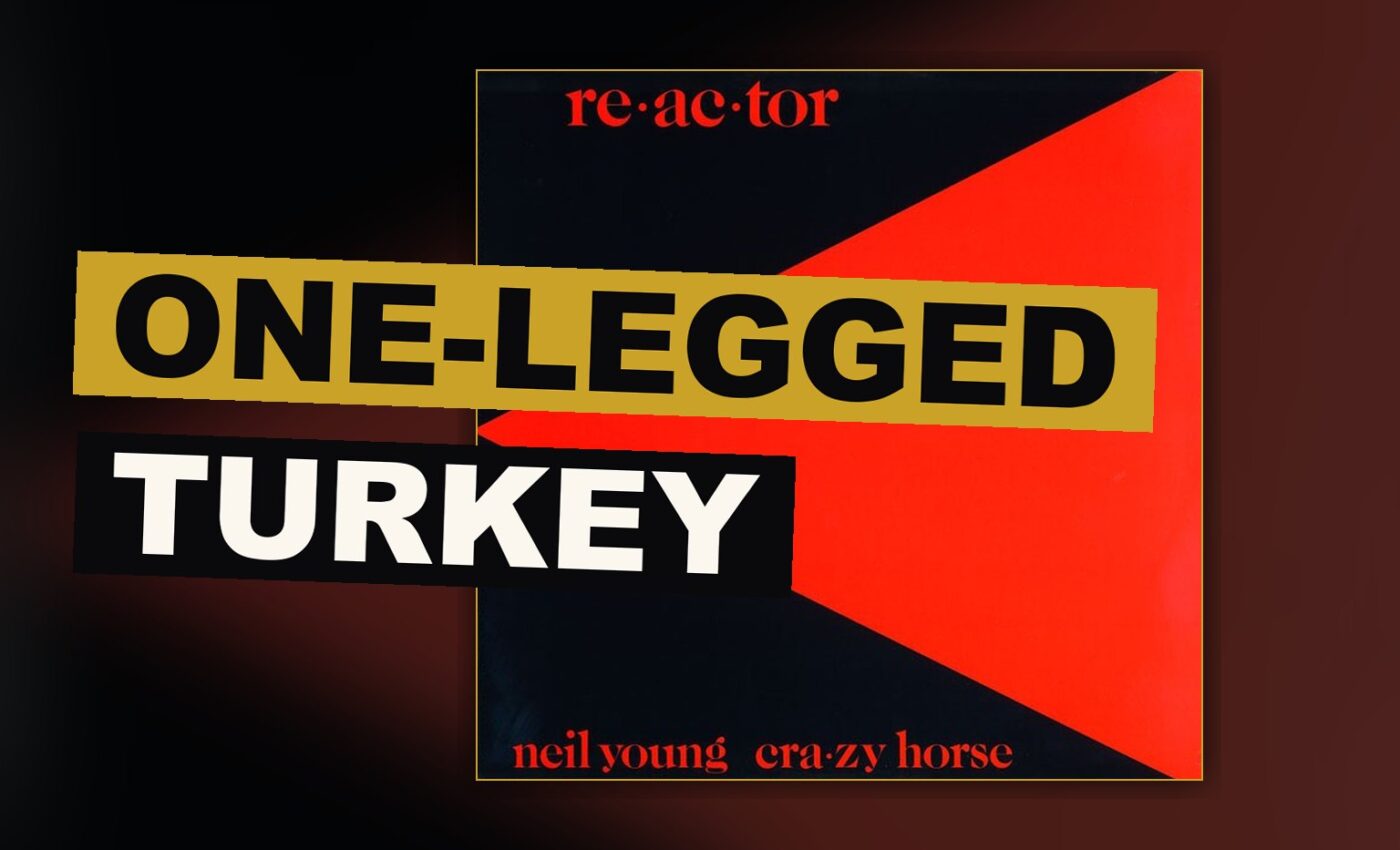
Neil Young and Crazy Horse made Re·ac·tor in 1981, and it sounds like a band working off nervous energy rather than building a statement. The record depends on repeated riffs, loud guitars and short songs instead of melody or deep words. Eight tracks, 39 minutes, and one clear goal: cut back the arrangements and play loud.
The Track List
| # | Track | Time |
|---|---|---|
| 1 | Opera Star | 3:36 |
| 2 | Surfer Joe and Moe the Sleaze | 4:21 |
| 3 | T-Bone | 9:21 |
| 4 | Get Back on It | 2:19 |
| 5 | Southern Pacific | 4:14 |
| 6 | Motor City | 3:14 |
| 7 | Rapid Transit | 4:41 |
| 8 | Shots | 7:46 |
Opening Tracks
Opera Star opens the album with a clear edge, guitars locked into a tight, forceful line. It is short and direct, and it works because it does not run too long.
Surfer Joe and Moe the Sleaze follows with a looser, almost careless energy that suits the way the band plays together. Then comes T-Bone, running past nine minutes on a single line of words and one riff repeated again and again until it stops carrying meaning. It might be a joke, or it might be a dare. The album never says which. Either way, it is the longest test of patience on the record, and it asks the listener to accept repetition as the whole point rather than a fault.
The Middle Songs
Get Back on It and Motor City are the weak points of the record. Both feel like unfinished sketches rather than full songs, and both run together in the memory after a few plays. Neither has much to say, and neither stays with the listener once the next track starts.
Southern Pacific is different. It is built on a steady, driving beat that mirrors its subject, a train, and it is one of the few moments where the band’s heavy style actually serves the song instead of standing in for one. The rhythm players carry the weight here, and the guitars follow rather than lead.
Closing Tracks
Rapid Transit picks the pace back up without adding much that is new. Shots closes the record at close to eight minutes, full of noise and near out of control, the sound of a band chasing volume for its own sake. It ends the album on a note of excess rather than resolution, which seems to be exactly what the band wanted.
What Critics Said
Pitchfork gave the album 6.8 out of 10, and another review rated it 2 out of 5. That second review said the record offered nothing new and that everything it tried had been done better elsewhere on Young’s other records.
The band’s own drummer took a harsher view, telling Rolling Stone that the record was:
“a turkey, a one-legged turkey”
Read together, those reactions describe a record most critics treated as minor and doubtful — a passing effort rather than a statement.
Where It Lands
Re·ac·tor is not trying to stand as Neil Young’s finest work, and it does not. It is a record of a band pushing hard into repetition and noise, sometimes with strong results, often just to fill the space. Opera Star, Surfer Joe and Moe the Sleaze, Southern Pacific, T-Bone and Shots are the songs worth hearing again. The rest grows faint fast, going out of memory almost as soon as it ends.
This is a small record in Neil Young’s body of work, not a poor one. It gives little that is not done better on his other records, but the wild, rough push behind songs like Opera Star and Southern Pacific keeps it from being empty. It sits between two points in his career, rough in places, exciting in short moments, and thin the rest of the way through.
- Opera Star3:36
- Surfer Joe and Moe the Sleaze4:21
- T-Bone9:21
- Get Back on It2:19
- Southern Pacific4:14
- Motor City3:14
- Rapid Transit4:41
- Shots7:46