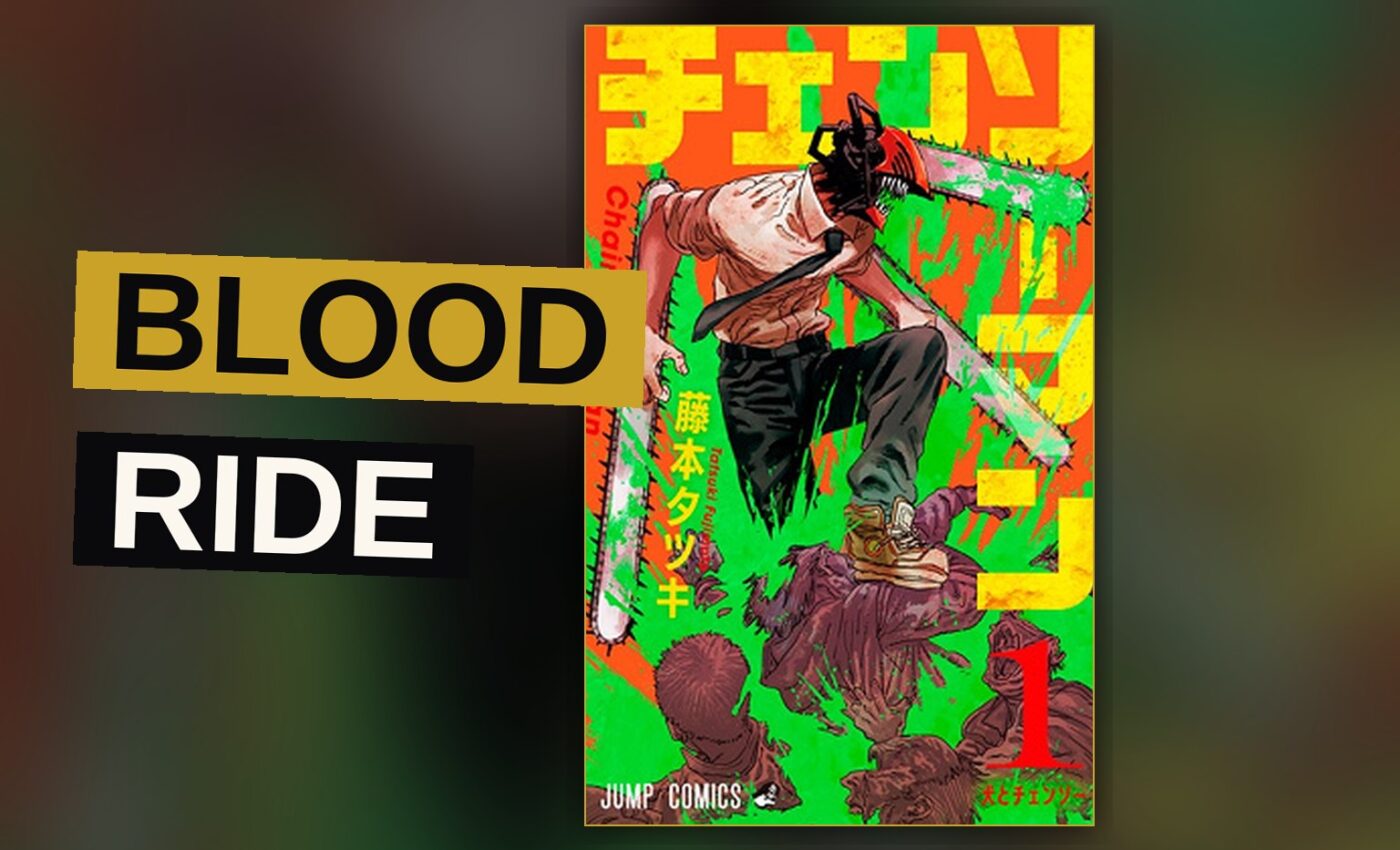
Chainsaw Man turns a simple premise into a machine that rarely stops working. The anime follows Denji, a young man who dies and returns as a devil hunter, bonded to a chainsaw-wielding demon named Pochita. The result is a series that runs on pure energy: fast, loud, and often very, very bloody.
Based on the manga by Tatsuki Fujimoto, Chainsaw Man is a 2022 series that ran for twelve episodes. It moves with the confidence of a show that knows exactly what it wants to be. That confidence carries the whole package, from its kinetic action to its sharp character work.
Trailer, via Crunchyroll.
Denji and the Devil Hunters
Denji is not a hero in the traditional sense. He is broke, bullied, and mostly invisible to the world around him. The show spends its early hours establishing this carefully. His bond with Pochita gives him a partner, but it also traps him in a life defined by poverty and neglect.
That setup pays off in later episodes. Denji’s growth is not about becoming a godlike warrior; it is about learning to hold his own against monsters that would eat him alive. The series treats its protagonist with genuine care, even when the plot demands he suffer.
Pochita himself is a standout. He is a small, pink devil with a cheerful personality that contrasts sharply with the violence around him. His loyalty to Denji anchors the show’s emotional core. The relationship between the two characters is the engine that drives every episode, and it never loses steam.
The Monsters and the Action
The monsters in Chainsaw Man are not subtle. They are giant, grotesque creatures with names like Beast and Hell Butterfly, and they are designed to be memorable. The show draws heavily on horror and fantasy tropes, and it leans into the gory details with relish.
The action sequences are where Chainsaw Man truly excels. Each fight is choreographed with precision, and the animation holds up under the strain. The series understands pacing, and it knows when to slow down for a tense moment or speed up for a burst of violence.
Humor and Heart
For all its brutality, Chainsaw Man is a surprisingly warm show. The humor comes from unexpected places: a joke about Denji’s financial troubles, a moment of tenderness between Pochita and Denji, a gag about the absurdity of monster hunting. These beats land because the show has built a world where they can.
The series also handles heavier themes with surprising grace. Death, loss, and the nature of humanity are all explored, but they are never used as cheap tricks. The show trusts its audience to sit with uncomfortable questions without providing easy answers.
“It’s a hell of a ride.”
That line sums up the experience. Chainsaw Man is a ride that refuses to slow down, and it asks the viewer to keep up.
The Final Stretch
The last few episodes raise the stakes considerably. The show introduces new threats, new alliances, and new betrayals. The pacing stays relentless, and the final confrontation delivers on the promise of everything that came before.
The ending lands with weight. It respects the characters it has spent twelve episodes building, and it offers a conclusion that feels earned rather than rushed.
Where It Falls Short
Not everything works. Some middle episodes feel like filler, stretching out moments that could have been tighter. The supporting cast is less developed than Denji and Pochita, which means some subplots lose focus.
The show also leans on shock value at times, and a few scenes push the gore further than the story really needs. This is a stylistic choice, not necessarily a flaw, but it is one that will test the patience of viewers who want subtlety.
The Verdict
Chainsaw Man is a confident, energetic show that knows how to entertain. It takes risks with its characters and its story, and it mostly pays off. The action is top-tier, the humor hits, and the heart is real.
It is not perfect. Some episodes drag, and the world-building occasionally feels thin. But the strength of its central relationship and its fearless approach to storytelling make it a standout entry in the genre.
| Element | Strengths | Weaknesses |
|---|---|---|
| Central relationship (Denji and Pochita) | Engine of every episode; never loses steam | None noted |
| Action | Precision-choreographed fights; top-tier animation | None noted |
| Humor | Warm, unexpected beats; lands because of the world built | None noted |
| Supporting cast | Less developed than main characters | Some subplots lose focus |
| Middle episodes | Some feel like filler; stretch out moments | None noted |
| Gore | Leans heavily on shock value | Pushes the story further than it needs to |
Get the Notebook.
The day's best stories and every fresh verdict, in plain English, in your inbox by seven. One email a day, no more.