
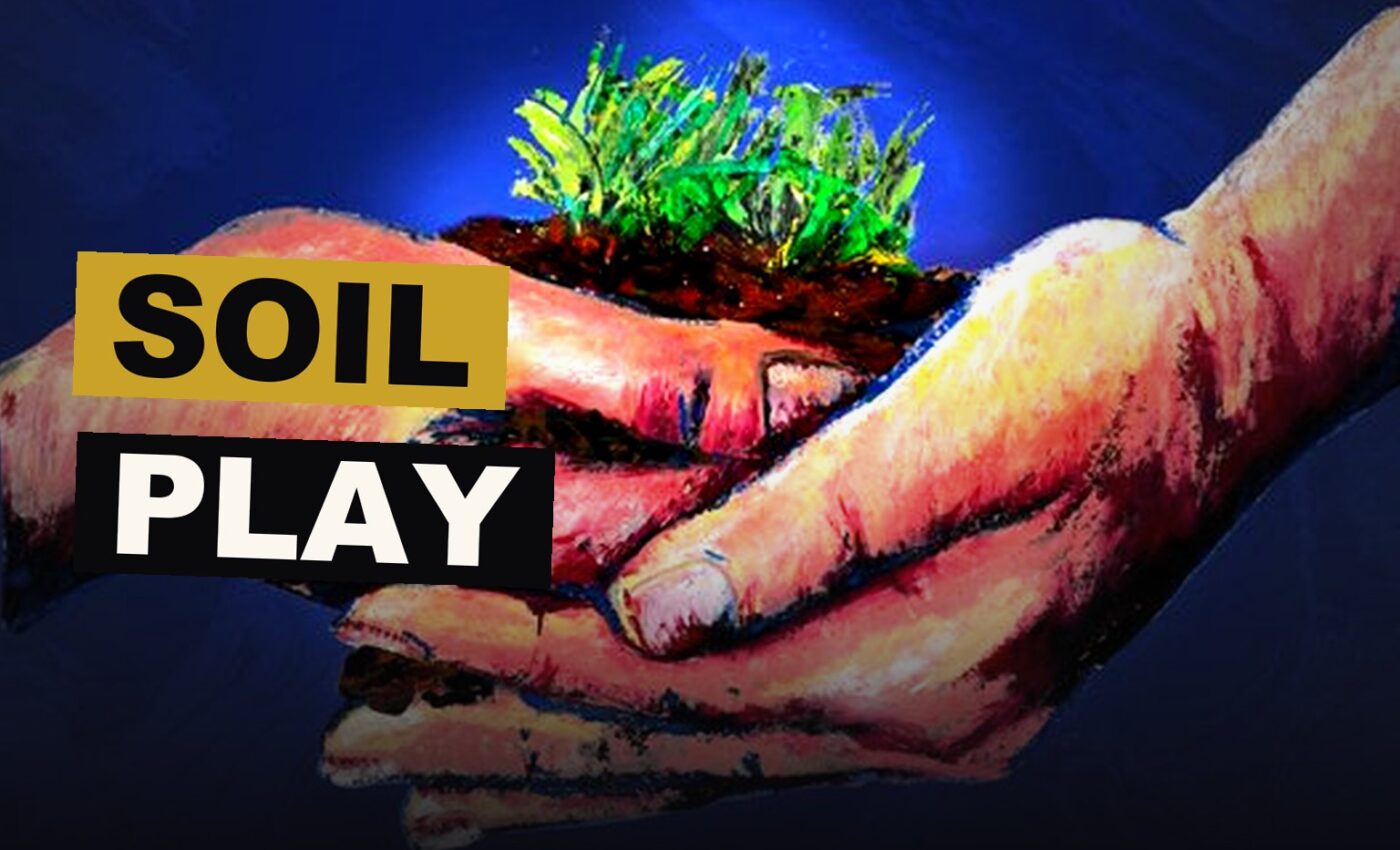
A study now drawing wide attention argues that touching soil, moss and tree wood may do more for the body than most people assume.
What Grönroos Found
Mira Grönroos, a researcher at the Finnish Environment Institute, asked people to press soil, peat and moss on their hands for 20 seconds. The amount and variety of living things on their skin went up afterward, even once they washed their hands with tap water.
By sight, Grönroos said, their hands looked washed, but the change beneath was large.
She found the effect passes away fast. The state of the skin’s bacteria, she said, quickly went back to close to what it was before contact. Longer or more frequent touching, she suggested, would likely make the difference bigger and longer lasting.
Soil Play In Finland
At Aurinkolinna, a children’s centre in central Finland, children spend at least a couple of hours in the open every day among trees and bushes. They run over wooden frames, gather earth into small hills, splash through standing water, and gather quantities of soil and loose wood pieces. By the end of the day they are covered in soil from head to toe.
Aurinkolinna is one of 43 children’s centres in Finland taking part in the Vahvistu study, which builds on earlier work led by Marja Roslund. Over two years starting in 2016, she brought material from the floor of the forest — peat and boxes holding young growing life — into a children’s play space, and tracked what happened to young children’s skin and other bodily tests after they played there for 28 days, then again after a year. Compared with children who played on paved ground, those who played on forest floor material had a wider variety of living things on their skin a year later.
This variety matters for the state of the skin. Building up the variety of bacteria on the skin can stop disease-causing living things from taking over, keeping the mix in balance, Roslund said.
Roslund’s work found fewer disease-causing living things on children’s skin when they had played on forest floor material. She said there is so much of everything else that little room is left for those disease-causing living things to grow.
A Wider Idea
The state of the skin connects to more than the skin itself. Work in this field points to links between skin bacteria and:
- the body’s inner workings
- the heart
- how the brain works
- balance within the system that guards against disease
In one test, Roslund had one group of children play in a box filled with soil high in a wide variety of living things, and another group play in a box that looked the same but held far fewer kinds. The children with the richer soil showed a rise in certain bacteria on their skin, and changes in blood markers tied to keeping the body’s disease-guarding parts steady rather than too strong.
The findings feed into what is known as the idea that a wide variety of living things matters — that air, soil and young growing life holding many kinds of living things shape the bacteria living on and in the human body, and so shape human health. It has long been suggested that the loss of natural variety around us could be behind the rise in troubles tied to the body’s disease-guarding system today, and Roslund’s work may help explain how and why.
She found that one family of bacteria plays a large part in this balance. Its variety grew on children’s skin after they played on forest floor material, and this rise was tied to more regulatory white blood matter — the kind that helps control and balance the guarding system of the body and is important for preventing troubles where the body turns on itself.
That match is not yet fully explained.
For now, it is not clear exactly what this means for troubles such as skin conditions or breathing troubles. Roslund said it is too soon to say that contact with nature will stop such breathing troubles from developing.
Key facts:
– Hand test: soil, peat and moss pressed on hands for 20 seconds (Grönroos)
– Forest floor study: two years, starting 2016, led by Roslund
– Skin and body tests taken after 28 days, then again after one year
– Vahvistu study: 43 children’s centres in Finland, tracked over three years
Taken together, the work from Grönroos and Roslund points the same way. Touching soil, young growing life and wood may do more for the body than people think, and the children of Aurinkolinna, covered in soil at the end of each day, are part of the study now testing that idea.
Source: bbc.com
Get the Notebook.
The day's best stories and every fresh verdict, in plain English, in your inbox by seven. One email a day, no more.