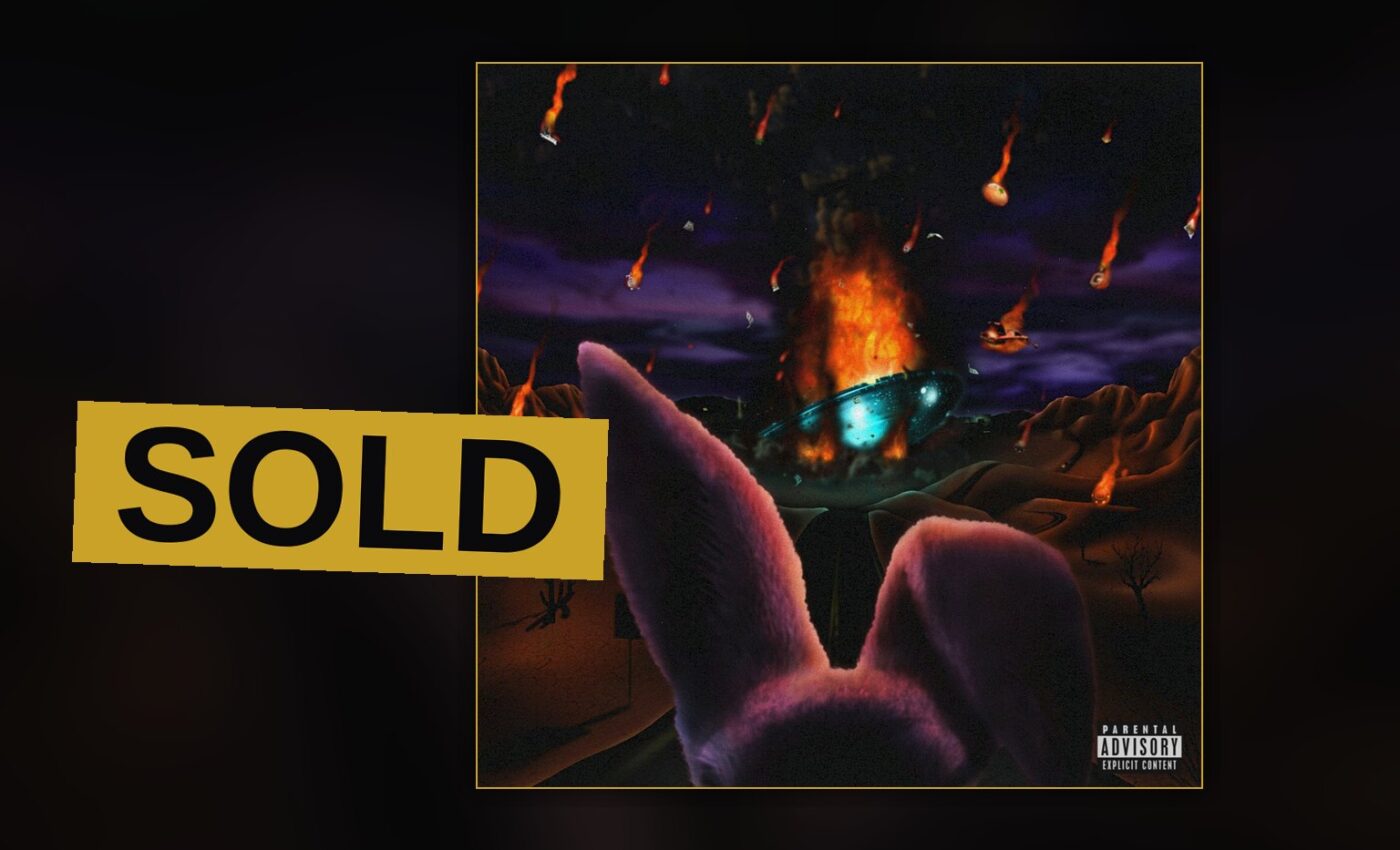
Freddie Gibbs arrives on his first major-label album with $oul $old $eparately, 15 tracks and 46 minutes built to prove he can headline a big budget without losing the street-level bite that made his name. Guests pile up, beats cost more, but the mission stays the same: bars first, everything else after.
The Numbers Behind The Record
- Artist: Freddie Gibbs
- Album: $oul $old $eparately
- Tracks: 15
- Total running time: 46 minutes
- Metacritic: 78/100
- Pitchfork (external review): 7.7/10
Couldn’t Be Done Through Zipper Bagz
The album opens strong. Couldn’t Be Done sets the tone with a confident, unhurried flow that earns its place among the standouts — Gibbs sounds locked in from the first bar. Blackest in the Room follows and does the same job even better, with a beat that gives him room to stretch his cadence and a hook that stays with you.
Pain & Strife keeps the pace but plays it straighter, a fine transition rather than a standout. Zipper Bagz closes this stretch on a harder note, all clipped drums and street detail, though it doesn’t reach the heights of the two tracks before it.
Too Much Through Rabbit Vision
The middle of the record is where the guest list starts to show. Too Much feels longer than its 3:33 runtime, chasing a radio moment it never quite catches. Lobster Omelette recovers the ground, one of the record’s sharper cuts, with Gibbs trading laid-back menace for wit.
Space Rabbit, Feel No Pain, and Rabbit Vision sit near the album’s center, and here’s how they rank against each other:
- Feel No Pain — the clear high point of this stretch, a beat that gives him space and patience, and a hook worth returning to.
- Rabbit Vision — a strong companion piece, moody and controlled, another track that earns real praise.
- Space Rabbit — solid but plain, more mood-setter than standout.
PYS arrives after that run as a quieter moment, well made but easy to overlook next to what comes before it.
Dark Hearted Through CIA
Dark Hearted and Gold Rings arrive as the back half’s biggest statements. Gold Rings is the album’s easiest track to quote, the kind built for repeat plays, and it’s clear why several reviews kept coming back to it. Dark Hearted is a grimmer, more atmospheric cousin — not as immediate but effective in its own register.
Grandma’s Stove runs the longest, at 4:11, and uses that room to slow down and get personal, a shift in pace that mostly works even if it drags in spots. CIA is tighter and meaner, a return to the album’s harder mode after a stretch of slower cuts.
Decoded
The album closes with Decoded, a fitting final statement that ties the record’s themes together without reaching too far. It’s not the strongest track here, but it closes things out cleanly.
That restraint on the closer says something about the album as a whole.
Here’s the pull at the center of $oul $old $eparately: it’s a well-made record that never quite becomes an essential one. HipHopDX called it “quite good,” adding that “a good Freddie Gibbs album is an already high standard to match” — and that’s exactly right. The bar Gibbs set with his earlier, widely praised work was so high that a merely strong effort reads as a slight step down, even when the writing and performances are this steady.
Slant Magazine took a harsher view, describing the record as a disappointing effort despite the guest spots and costly-sounding beats. That’s a fair complaint about the record’s ceiling, even if it does not give enough credit to how much of the album actually works song by song. Rolling Stone landed in between, describing it as “solid work made by an established character” — which might be the most accurate one-line summary of the whole project.
None of that means the album coasts. Feel No Pain, Gold Rings, Blackest in the Room, Couldn’t Be Done, Rabbit Vision, and Lobster Omelette are all strong tracks, and six strong tracks out of 15 is a good ratio for any major-label debut. The production budget shows up in the mix without swallowing Gibbs’s voice, and his rapping remains as sharp as ever — the flows shift, the internal rhymes land, the humor cuts through even on the harder tracks.
Where the record falls short is ambition, not execution. There’s no moment here that reaches for the kind of creative risk that built Gibbs’s reputation on earlier releases. Instead, $oul $old $eparately plays it confident and controlled, betting that craft alone can carry a major-label debut. Mostly, that bet pays off.
This is a good album from an artist capable of great ones. It doesn’t change expectations the way his earlier work did, and it isn’t trying to. What it delivers instead is 46 minutes of solid, well-built rap music, anchored by a handful of excellent songs and a rapper who sounds entirely in control of his craft, even when the material around him plays it safe.
Get the Notebook.
The day's best stories and every fresh verdict, in plain English, in your inbox by seven. One email a day, no more.
- Couldn’t Be Done2:31
- Blackest in the Room2:47
- Pain & Strife2:38
- Zipper Bagz2:15
- Too Much3:33
- Lobster Omelette2:41
- Space Rabbit2:58
- Feel No Pain3:18
- Rabbit Vision3:13
- PYS2:49
- Dark Hearted3:26
- Gold Rings3:43
- Grandma’s Stove4:11
- CIA2:56
- Decoded3:14