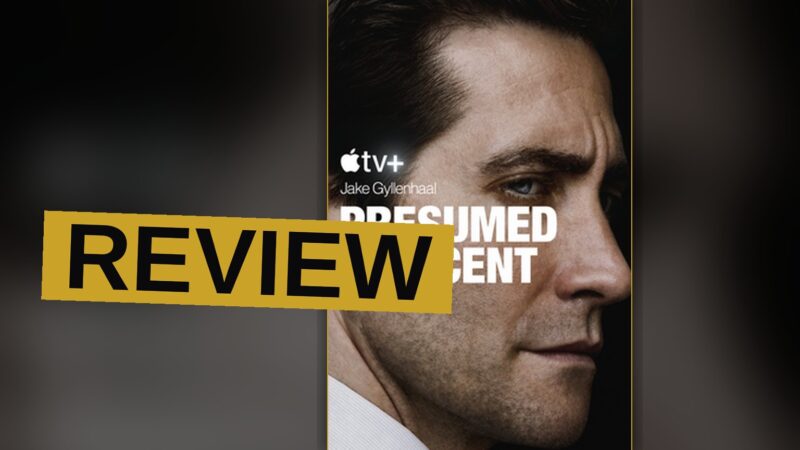
Heated Rivalry wants to be a sharp, satirical look at tech culture. Mostly, it gets the satire right and lets the plot slide. This is a show about two rival companies in the tech world, and it spends most of its runtime studying the people who work there rather than the battles they fight.
Trailer, via Crave.
The Setup
The show opens with a rivalry between two companies. Their leaders despise each other, their teams trade insults, and the whole thing is supposed to feel like a war. The setup is simple, and it mostly works.
Cast Strengths
The strength of Heated Rivalry comes from its cast. The actors playing the executives are given room to play their characters as absurd, petty, and occasionally cruel, and they commit fully to those performances. The supporting staff around them get less attention, but the show still finds ways to make them human rather than cogs in a machine.
Plot Problems
Where the show stumbles is in its plot. The central conflict between the two companies feels thin, and the stakes keep shifting underneath the audience. A late twist involving a major product launch lands with a thud rather than a punch, and the resolution leaves several threads dangling without much payoff.
Satire That Works
The satire lands hardest when the show stops explaining itself and simply shows the absurdity of corporate life. Scenes of executives arguing over minor details, or employees pretending to care about the company while secretly plotting against it, hit their mark. These moments are the reason the show is worth watching.
Running Order
| Episode | Event |
|---|---|
| 1 | Introduces the two rival companies |
| 2 | The leaders meet face-to-face |
| 3 | A product launch becomes the center of the rivalry |
| 4 | The plot twists, and the stakes shift |
| 5 | The final confrontation |
The show runs five episodes, and the middle stretch drags. The satire stays sharp even when the plot loses focus, which is saying something.
Heated Rivalry is a show that understands its subject better than it understands its own story. The writing knows exactly what makes corporate culture ridiculous, but it sometimes forgets to build a satisfying story around that knowledge. When the satire is firing, it earns its keep. When the plot loses direction, it feels unfinished. Taken together, the result is a show that’s worth watching for its cast and its wit, but not one that holds together perfectly.
Get the Notebook.
The day's best stories and every fresh verdict, in plain English, in your inbox by seven. One email a day, no more.