
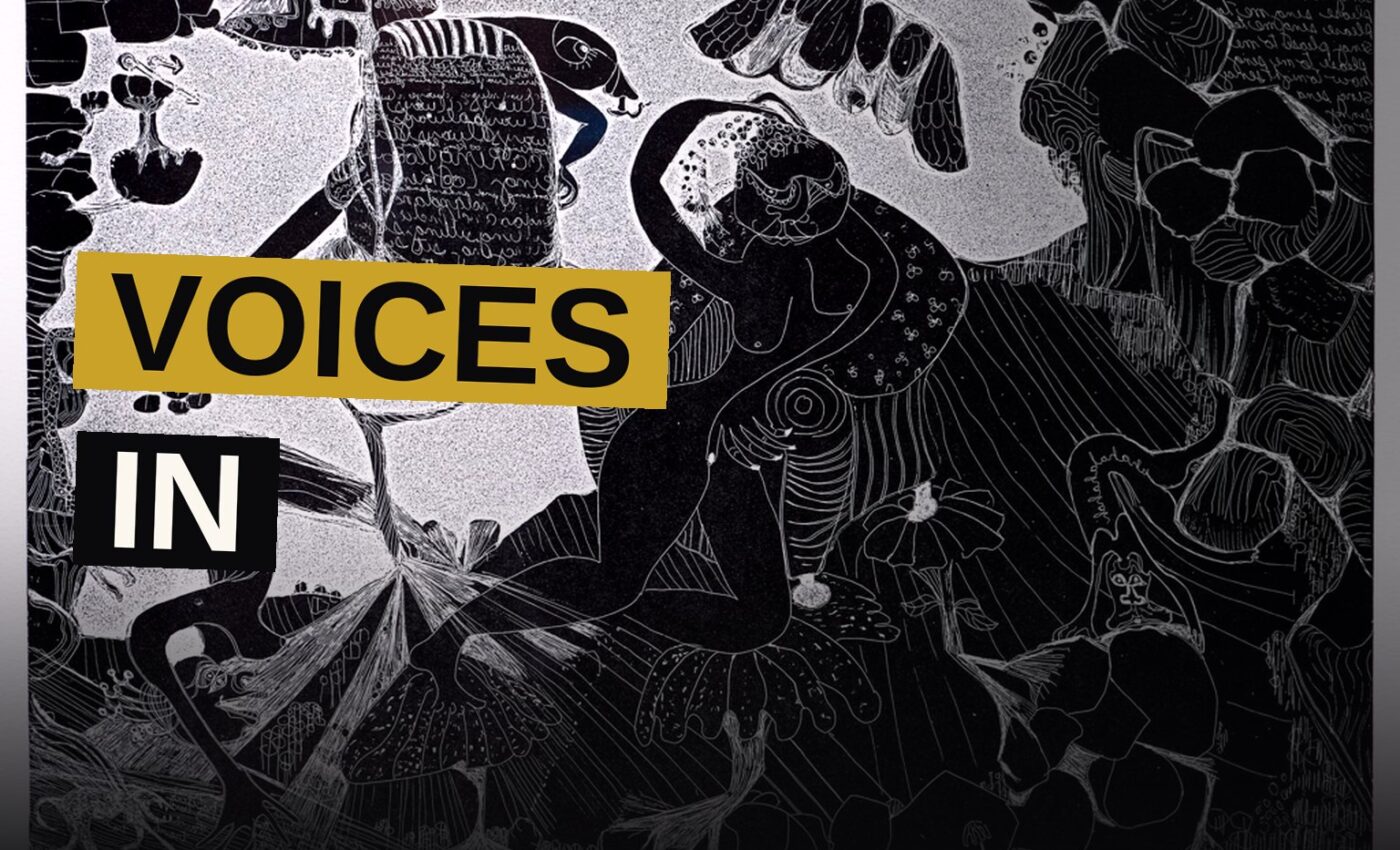
A new exhibition at Morven Museum & Garden in Princeton puts Black women printmakers at the center of the American story. Voices in Print: New Jersey Black Women Printmakers Shaping the American Narrative opens in the museum’s Stockton Education Center and runs through February 28, 2027.
The show is the inaugural exhibition in that space. It brings together 14 artists, all with a connection to New Jersey, whose work spans generations and tackles visibility, identity, and social change through printmaking.
Curators and the Bigger Picture
Judith K. Brodsky and Rhinold L. Ponder curated the exhibition. It is part of Re-Visioning America: 1776–2026, a series marking the United States’ 250th anniversary with shows that highlight the nation’s diversity and feature work by female artists of color.
That project has a specific origin. It was inspired by the Princeton University Art Museum’s first exhibition of work by Black artists, Fragments of American Life, mounted during the bicentennial in 1976. That earlier show included just one Black woman artist.
Re-Visioning America responds directly to that exclusion. It showcases female artists of color who were shut out of the art world and acknowledges the advocacy they did to create space for themselves and for others.
The Artists and Their Work
The 14 artists are Emma Amos, Camille Billops, Vivian E. Browne, Nanette Carter, Nefertiti Goodman, Gladys Barker Grauer, Diane Victoria Horn, Carmen Cartiness Johnson, Nell Painter, Sondra Perry, Janet Taylor Pickett, Mickalene Thomas, Nette Forné Thomas, and Bisa Washington.
Many of them worked collaboratively to pioneer new printmaking techniques and to build opportunities in an art world that often ignored them. They also served as mentors and influences for the artists who came after.
The work itself is direct. As Black women, these artists place authentic representations of the Black female body at the center of their prints. The exhibition describes these representations as reflecting their experiences, identities, confidence, strength, beauty, and ideas.
The result is powerful work that lets others find themselves mirrored in the images. The museum frames the artists as activists whose art is transgressive in advocating for visibility and social change.
Why New Jersey
Morven is dedicated to celebrating New Jersey’s cultural heritage, and every artist in the show has a tie to the state. That connection is the thread that binds the group.
The museum itself sits at 55 Stockton Street in Princeton. The Stockton Education Center hosts this exhibition as its first.
Partners and Funding
The project is a collaboration with several organizations. The list includes Art Against Racism, the Arts Council of Princeton, Garden Theatre, Historical Society of Princeton, Princeton Public Library, Princeton University Art Museum, the Princeton University Humanities Initiative, and William Trent House Museum.
Funding comes from the New Jersey Historic Trust and the Mercer County Cultural & Heritage Commission, a partner of the New Jersey State Council on the Arts.
That broad coalition points to the exhibition’s ambition. It is not just a museum show; it is a community effort to correct a record.
How the Artists Built Their Path
The exhibition tells a story of exclusion and response. It shows how a group of women built their own paths when the mainstream would not let them in.
The curators frame the artists as generations of Black women artist activists. Their prints are not just objects; they are arguments for presence, for recognition, and for a fuller American narrative.
The show also highlights how printmaking itself became a tool. Working together, these artists developed techniques and created opportunities that did not exist for them before.
- They formed collaborative networks to share skills and resources.
- They pioneered new printmaking techniques that expanded what the medium could do.
- They mentored younger artists, building a lineage of practice.
- They placed the Black female body at the center of their imagery, on their own terms.
- They created work that lets viewers see themselves reflected with dignity and strength.
That numbered progression moves from process to impact. The techniques mattered, but so did the visibility they bought.
Practical Details
The exhibition is on view now. It runs through February 28, 2027.
Morven is located at 55 Stockton Street in Princeton, NJ. Visitors can plan their trip at morven.org.
- Exhibition: Voices in Print: New Jersey Black Women Printmakers Shaping the American Narrative
- Location: Morven Museum & Garden, Stockton Education Center, 55 Stockton Street, Princeton, NJ
- Dates: On view now through February 28, 2027
- Artists: 14, all with a connection to New Jersey
- Curators: Judith K. Brodsky and Rhinold L. Ponder
- Part of: Re-Visioning America: 1776–2026
The show is a direct answer to a moment in 1976 when a major museum exhibition of Black art included only one Black woman. This exhibition gives the stage to 14.
The prints themselves carry the argument. They show strength, beauty, and identity, made by women who refused to wait for permission.
Voices in Print is a correction, a celebration, and an invitation. It asks viewers to look again at who shapes the American narrative, and it answers with the work of 14 artists who have been shaping it all along.
Source: hyperallergic.com
Get the Notebook.
The day's best stories and every fresh verdict, in plain English, in your inbox by seven. One email a day, no more.