
Bertolt Brecht and Vladimir Nabokov shared a city, a generation and almost nothing else. Nabokov yearned toward a lost aristocratic past. Brecht championed a proletarian future in which the downtrodden would triumph over their exploiters. Nabokov kept his politics under wraps, if he had any. Brecht wore his on signboards thrust into the faces of his audiences.
Fame Arrives Suddenly in Berlin
Brecht’s fame arrived suddenly in Berlin in 1928 with The Threepenny Opera, his collaboration with composer Kurt Weill. The show opened at the Theater am Schiffbauerdamm on August 31, 1928, and became the defining theatrical event of the season. The production’s blend of crime, satire and social criticism captured the city’s attention.
Brecht and Nabokov, Opposites in the Same City
Brecht was born in Augsburg in 1898, only a year before Nabokov. The two decisive events of their youth were the Great War and the Russian Revolution, and they read those events in opposite ways. For Nabokov, the war was history at a distance and the revolution a permanent tragedy. For Brecht, the situation was almost exactly reversed.
Brecht never became an official Party member, but he sympathized with the Soviet revolutionary cause and manifested those class sympathies in most of his writing. That did not stop him from caring about aesthetics. Like Nabokov, he started as a poet. In the end, ironically, his poetry meant more to German literature than Nabokov’s early verse meant to Russian letters.
But Brecht was not celebrated as a poet. His fate was to be known as a playwright and theatrical collaborator, first with the dramaturgical innovator Erwin Piscator, then with Weill. His instantaneous fame arrived shortly after he turned thirty, when his second or third collaboration with Weill opened at the Theater am Schiffbauerdamm.
The Threepenny Opera Takes Berlin
The Threepenny Opera was neither opera nor play, neither high art nor cheap entertainment, neither satire nor straight political commentary. It was a weird combination of all of them. Some critics and audience members were initially taken aback. The production was soon recognized as a major hit.
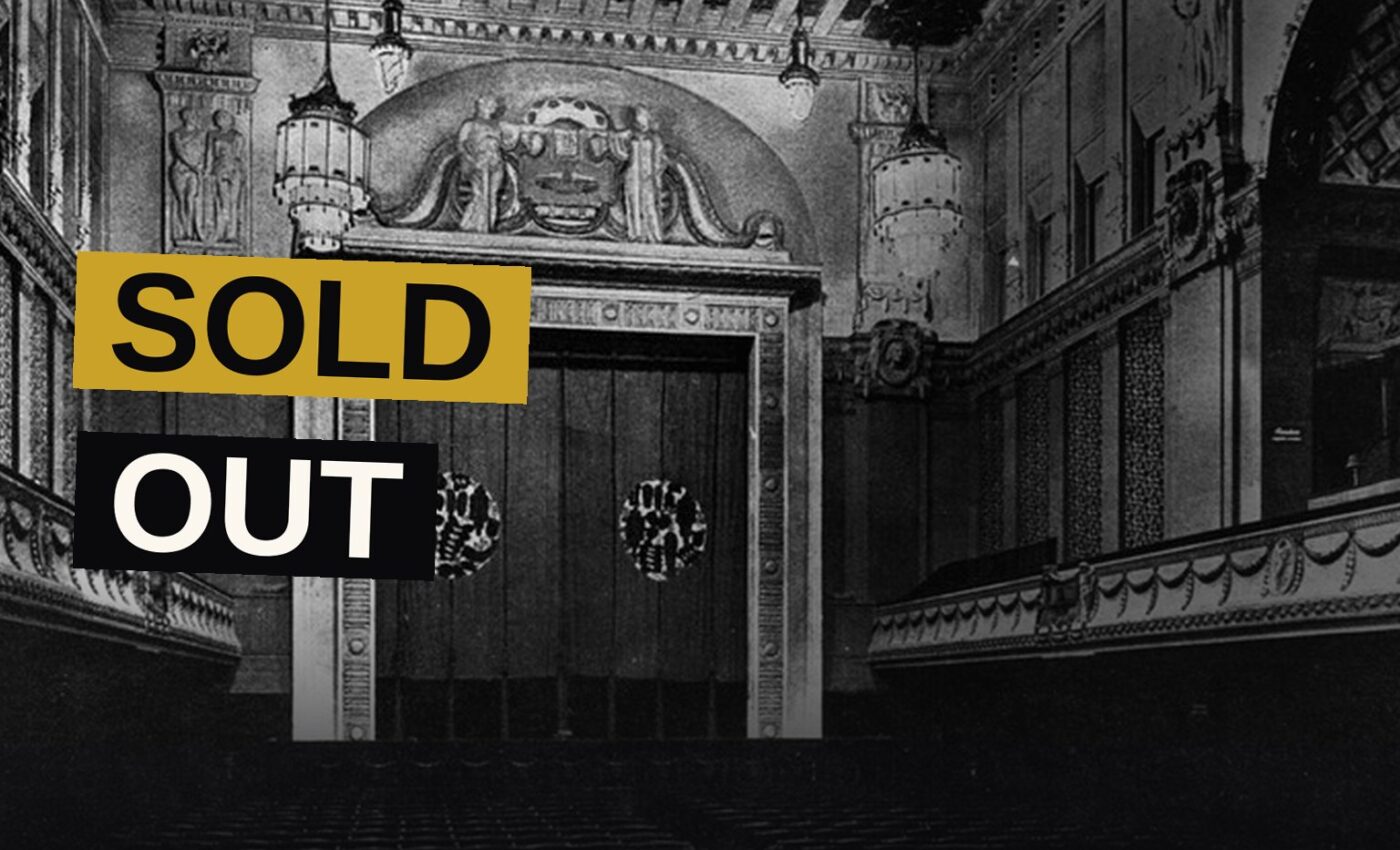
Count Harry Kessler, an aesthetically choosy diarist, attended the show in late September 1928. He wrote in his diary entry for September 27: “In the evening saw Brecht’s Dreigroschenoper, music by Weill. A fascinating production, with rudimentary staging in the Piscator manner and proletarian emphasis (apache style). Weill’s music is catchy and expressive and the players (Harald Paulsen, Rosa Valetti, and so on) are excellent. It is the show of the season, always sold out.”
A month later, Billie Wilder—then a cultural reporter for the Berliner Zeitung am Mittag—published a column on October 22, 1928, about visiting the show’s fiftieth performance. Wilder observed that the “opera’s enduring appeal owes to a fusion of outrageous wit and social criticism.” He pointed out correctly that “Kurt Weill’s music is a large part of that appeal.” He concluded that there was as much applause for the fiftieth performance as there had been for the first.
| Observer | Date | Publication or venue | Verdict |
|---|---|---|---|
| Billie Wilder | October 22, 1928 (column date) | Berliner Zeitung am Mittag | “Fusion of outrageous wit and social criticism” |
| Count Harry Kessler | September 27, 1928 | Private diary | “The show of the season, always sold out” |
Meeting the Playwright
Later that fall, at a party in Piscator’s apartment—an “attractive, bright flat, designed by Gropius,” as Kessler could not help mentioning—the count met Brecht himself. Kessler’s diary entry for October 30, 1928, is unsparing: “Strikingly degenerate look, almost a criminal physiognomy, black hair and eyes, dark-skinned, a peculiarly suspicious expression; very nearly a typical twister. But in conversation he thaws and comes within an ace of being naïve. I told him, apparently to his great delight, stories about d’Annunzio. Superficially, at any rate, he has a head on his shoulders.”
Despite that note of praise, the snobbish count did not further his acquaintance with the self-styled proletarian playwright.
A Copy That Was Also Original
The Threepenny Opera was viewed in its own time as both highly original and an acknowledged copy. It was loosely adapted from John Gay’s The Beggar’s Opera. The story is set in an imaginary London inhabited by English-named figures like Peachum, Brown and Macheath.
All the characters are criminals, to one extent or another. The cops are criminals too. The sheriff may be the most corrupt figure of all. The main character, Mack the Knife, is simultaneously attractive and repulsive, and the role works best when neither side is neglected.
Brecht may have identified with his imperfect hero. In 1929 he was recorded singing Mack’s theme song, “Die Moritat von Mackie Messer,” in a pitch-perfect two-minute recording. Or perhaps the song was already so famous by then that even a non-singing author could make a hit out of it.
The Music That Made It Work
Everyone pointed out that the Weill score was brilliant. It ranged from honky-tonk brassiness to delicate sentimentalism, all with a minor-key tang that gave fresh memorability to every number.
The work’s effect on everything that came after it—theater, jazz, graphic art, film, television commercials—has been so far-reaching as to obliterate any possibility of seeing or hearing it afresh.
| Milestone | Date | Detail |
|---|---|---|
| Opening night | August 31, 1928 | Theater am Schiffbauerdamm, Berlin |
| Kessler attends | September 27, 1928 | “Always sold out” |
| Wilder’s column on the fiftieth performance | October 22, 1928 | Reports equal applause |
| Brecht recording | 1929 | Sings “Die Moritat von Mackie Messer” |
The Long Shadow of the Show
The Threepenny Opera changed the world that came after it. The evidence is in the range of its influence: theater, jazz, graphic art, film, television commercials.
Anyone trying to define what was special about those early performances faces a genuine difficulty: history has made it impossible to see or hear the work afresh. But the record of the time—Wilder’s column, Kessler’s diary, the sold-out house—tells the story well enough.
The show of the season was a criminal story with a left-wing agenda and a brilliant score. Berlin let it run.
Source: lithub.com
Get the Notebook.
The day's best stories and every fresh verdict, in plain English, in your inbox by seven. One email a day, no more.