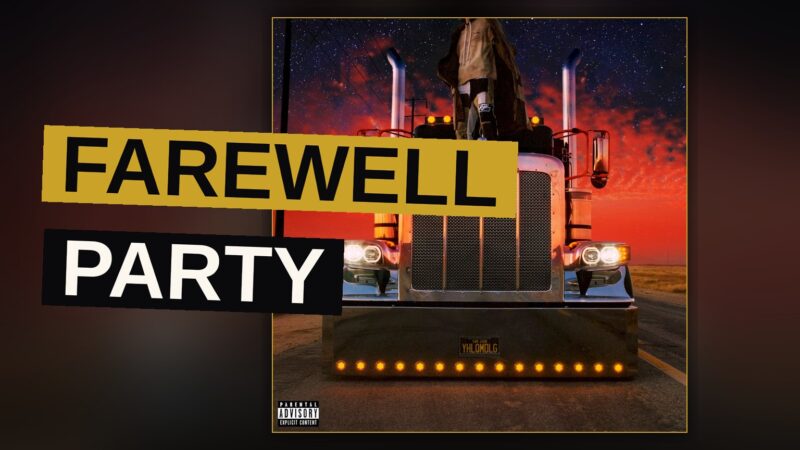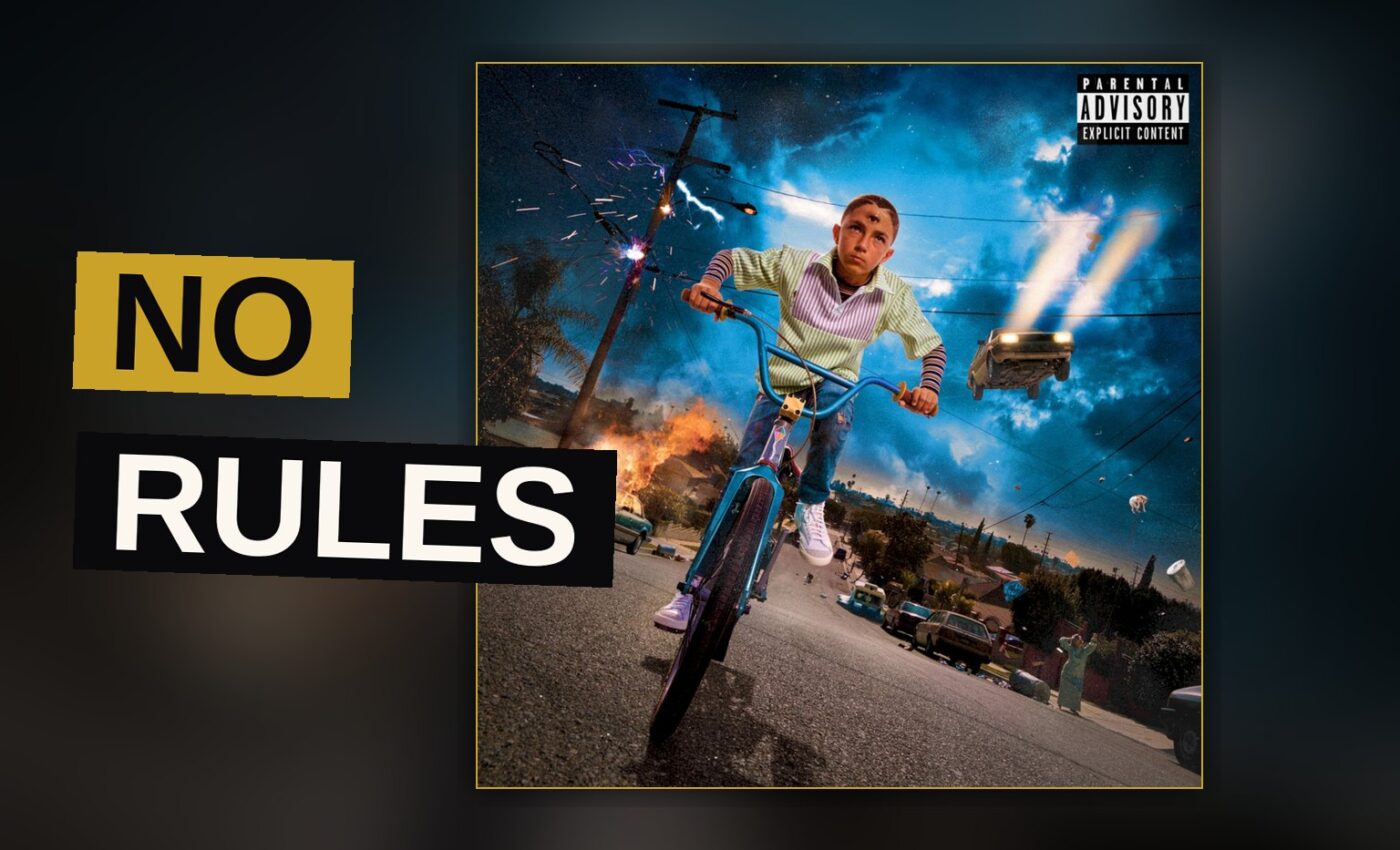
YHLQMDLG is the album where Bad Bunny stopped asking permission. Released in 2020, the 20-track record runs 65 minutes and does whatever it wants, whenever it wants. It is a reggaetón album that is not just reggaetón, a party record with real melancholy underneath, and a commercial blockbuster that still feels like an underground mixtape. The title is an acronym, and the music backs up the confidence it implies.
The album’s project is simple: break the rules of the genre without bothering to write new ones. It pulls from old-school perreo, trap, bachata, rock, and dembow, often within the same song. It is loud, messy, and deliberately chaotic. It is also nearly flawless in its production, which is why the critical consensus landed at an 88 on Metacritic and an 8.5 from Pitchfork. AllMusic called it “a transformative fever dream of an album that accents freedom by breaking all the rules without writing new ones.” That is exactly right.
Opening With Regret
The record starts with “Si veo a tu mamá,” a track that sets the emotional tone: regret, longing, and a bit of petty revenge. It runs just under three minutes and establishes that Bad Bunny is not here to make a simple banger album. He is here to make a complete statement.
“La difícil” follows with a slick, confident groove. It is a love song for someone who plays hard to get, and the production is clean and spacious. “Pero ya no” shifts the mood again, a slower, sadder cut about a relationship that has ended. The sequencing matters here. The album refuses to sit still, and that restlessness is the point.
“La santa” brings in a feature from Daddy Yankee, and it is a proper reggaetón throwback. It sounds like a track that could have come out a decade earlier, but with sharper production. Then comes “Yo perreo sola,” the album’s first major statement. It is an anthem for women dancing alone, and Bad Bunny performs in drag in the video. The track is a direct challenge to the machismo that has long defined the genre. It is also just a great beat.
The Middle Run
“Bichiyal” keeps the energy high with a harder, more aggressive sound. It is a track about a woman who does what she wants, and the production is dense and percussive. “Soliá” is shorter and looser, a vibe track that does not overstay its welcome. “La zona” is a quick, punchy interlude-style cut that keeps the momentum going.
“Qué malo” is a standout. The beat is minimal, almost skeletal, and Bad Bunny’s delivery is sharp and playful. It is one of the most purely fun tracks on the record. “Vete” follows, and it is a major single for a reason. The hook is massive, the production is stadium-sized, and the lyrics are about telling someone to leave. It is the most accessible track on the album, and it works.
“Ignorantes” is another highlight. The track is a smooth, melodic reggaetón cut about two people who keep making the same mistakes. The vocal chemistry is real, and the song breathes. “A tu merced” is another strong track, with a bouncy, danceable rhythm and a confident vocal performance.
“Una vez” slows things down with a more romantic, almost ballad-like feel. It is a duet about a love that happened only once. It is one of the more restrained moments on the album, and it works as a palette cleanser.
Safaera and the Back Half
“Safaera” is the centerpiece. It runs nearly five minutes and features Jowell & Randy and Ñengo Flow. It is a medley of old-school reggaetón samples, rapid-fire verses, and constant beat switches. It sounds like a DJ set at a block party, and it is the most purely joyful track on the record. Rolling Stone described the album as a “family reunion of his favorite rappers and reggaetoneros,” and “Safaera” is that reunion in a single song.
“25/8” is a more laid-back cut, with a smooth melody and a reflective lyric about being available all the time. “Está cabrón ser yo” is a direct, self-aware track about the pressures of fame. It is one of the most personal songs on the record, and the beat is understated, letting the words carry the weight.
“Puesto pa’ guerrial” picks the energy back up. It is a hard, aggressive trap-reggaetón hybrid that sounds ready for a club. “P FKN R” is another high-energy cut, with a driving beat and a boastful vocal. It is a direct nod to Puerto Rico, and it hits hard.
“Hablamos mañana” closes the main body of the album with a slower, more emotional track. It is about a relationship that is falling apart, and the mood is somber. It is a strong, mature ending to the chaos that came before.
Then comes “<3.” It is a short, quiet closer that runs under three minutes. It is a love letter, plain and simple. After 65 minutes of genre-hopping and rule-breaking, the album ends on a whisper. It is a deliberate choice, and it lands.
Production and Roots
The production across the album is the real star. Every track is built with precision, but nothing feels over-polished. The drums hit hard, the melodies are sticky, and the bass is relentless. The record was executive produced by Bad Bunny and his longtime collaborator Tainy, and the result is a sound that is both modern and deeply rooted in the genre’s history.
The album is also a direct engagement with reggaetón’s underground past. Tracks like “Safaera” and “P FKN R” sample and reference older material, connecting the record to the genre’s roots in Puerto Rican street culture. This is not a pop album wearing reggaetón clothes. It is a reggaetón album that dares to be bigger than the genre usually allows.
The critical praise was near-universal. Metacritic’s critic summary noted that “from a production standpoint, the record is nearly flawless.” Pitchfork gave it an 8.5. The consensus was that this was a bold, genre-spanning reinvention, and that is a fair reading. The album does not just push the genre forward. It pulls the past into the present and makes it feel new.
Verdict
YHLQMDLG is a landmark album. It is a record that refuses to be contained, and that refusal is its greatest strength. It is messy, sprawling, and overstuffed, but that is the point. It is an album that breaks all the rules without writing new ones, and it works because Bad Bunny is good enough to pull it off.
The singles are great, but the deep cuts are just as strong. “Safaera” is a modern classic. “Yo perreo sola” is a cultural statement. “Vete” is a pop hit. “Hablamos mañana” is a mature closer. There is no filler here, just different levels of ambition.
The album is a celebration of freedom, both personal and musical. It is a party record with a brain and a heart. It is the sound of an artist at the peak of his powers, doing exactly what he wants.
- Album: YHLQMDLG
- Artist: Bad Bunny
- Release year: 2020
- Tracks: 20
- Running time: 65 minutes
- Metacritic: 88/100
- Pitchfork: 8.5/10
The record is not perfect. Some tracks blur together in the middle, and the sheer length can be exhausting. But that is a minor complaint against a major achievement.
8.8/10.
Get the Notebook.
The day's best stories and every fresh verdict, in plain English, in your inbox by seven. One email a day, no more.
- Si veo a tu mamá2:51
- La difícil2:43
- Pero ya no2:41
- La santa3:26
- Yo perreo sola2:52
- Bichiyal3:16
- Soliá2:39
- La zona2:17
- Qué malo2:48
- Vete3:12
- Ignorantes3:31
- A tu merced2:56
- Una vez3:52
- Safaera4:55
- 25/84:03
- Está cabrón ser yo3:48
- Puesto pa’ guerrial3:10
- P FKN R4:18
- Hablamos mañana4:00
- <32:38