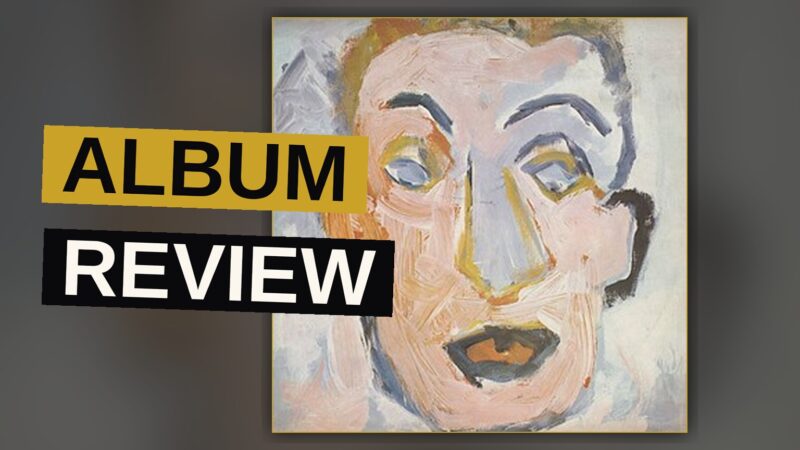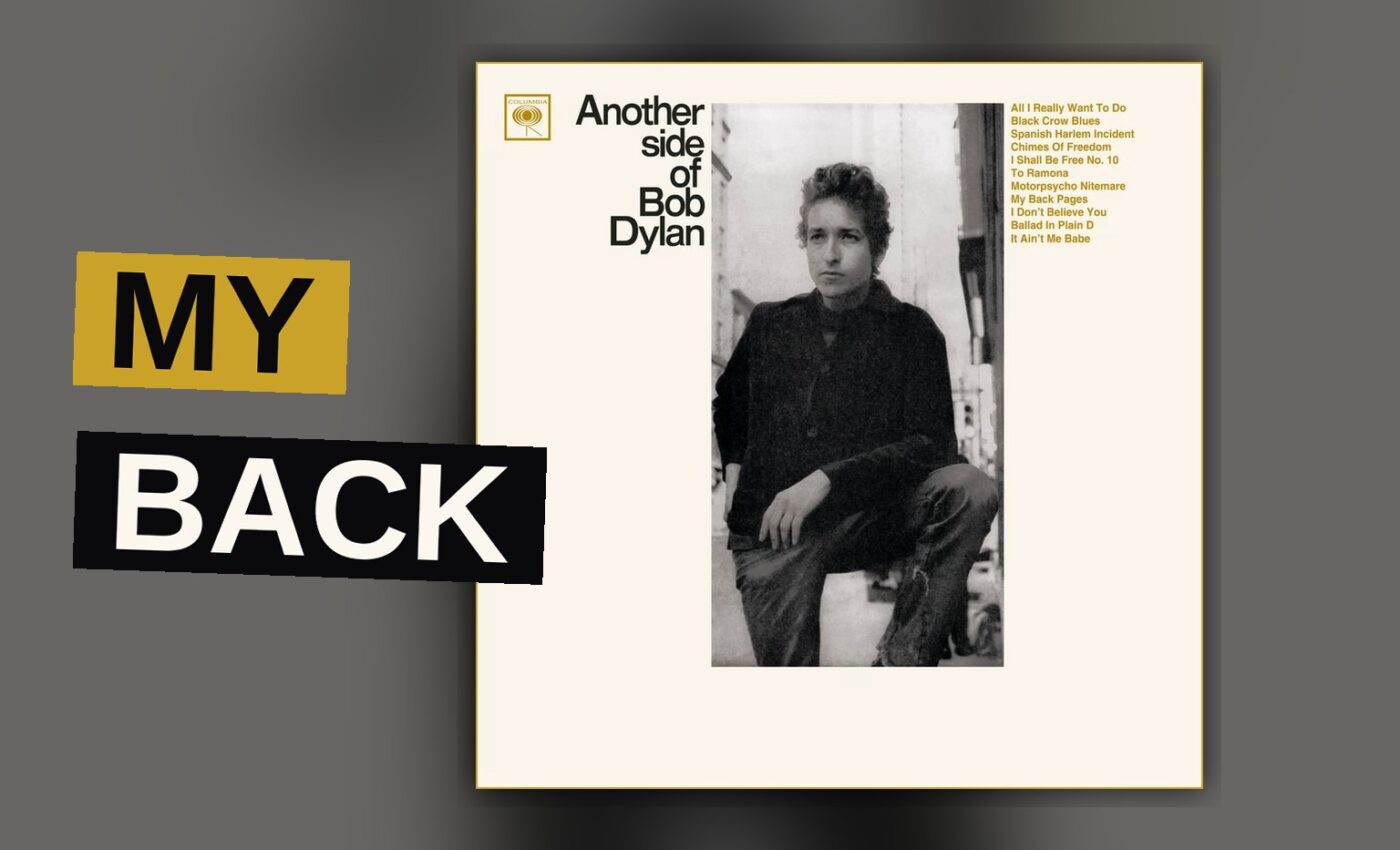
Bob Dylan’s fourth album, Another Side of Bob Dylan, is the sound of a songwriter tearing up his own job description. Released in 1964, it ditches the protest anthems that made him famous and trades them for intimate confessionals, surreal jokes, and love songs that turn inward. The record is not a rejection of politics so much as a declaration that the personal is just as urgent. It is Dylan stepping out from behind the “voice of a generation” label to sing about what is actually on his mind. The result is one of his very best records, a lovely intimate affair.
Opening With a Flourish
The album starts with “All I Really Want to Do,” a deceptively simple list song that spells out what Dylan does not want from a relationship. Over a jaunty waltz, he names every trap a lover can fall into — being studied, owned, or pinned down — and asks only for the chance to be himself. It is playful, but the stakes are real.
“Black Crow Blues” follows with a loose, rambling piano blues that sounds like it was made up on the spot. “Spanish Harlem Incident” is shorter and sharper, a two-and-a-half-minute burst of gypsy imagery and desire that feels like a postcard from somewhere hot.
Then comes the centerpiece. “Chimes of Freedom” runs over seven minutes and stretches Dylan’s language to its limit. The song rings for the outcast and the misunderstood, for everyone trapped in the halls of power. It is the closest this record gets to his old protest mode, but the politics are now cosmic rather than topical. The chiming metaphor carries the whole thing, and Dylan’s delivery — half-sung, half-chanted — makes it feel like a sermon for the disaffected.
The Middle Stretch
“I Shall Be Free No. 10” is the album’s wild card, a talking-blues comedy routine where Dylan rattles off jokes about politics, sex, and his own fame. It is silly and loose, and it works because it shows a side of him the folk purists never wanted to see. “To Ramona” slows things down with a gentle acoustic ballad that advises a friend to stop letting the world break her heart. It is tender without being sentimental, and the melody is one of the prettiest he ever wrote.
“Motorpsycho Nitemare” is a rambling country parody about a traveling salesman who gets trapped on a farm with a preacher’s daughter. It is funny, grotesque, and completely unpredictable — a short story with a punchline.
“My Back Pages” is the album’s thesis statement. Over a bright, rolling rhythm, Dylan sings that he was older then and is younger now. It is a direct rebuke to everyone who wanted him to stay the righteous young prophet. He is done with certainty, and he says so plainly.
The Long Goodbye
“I Don’t Believe You (She Acts Like We Have Never Met)” is a breakup song that refuses to accept its own ending. Dylan keeps insisting the woman must remember him, even as she walks past like a stranger. The confusion in his voice is the point — heartbreak is not dignified, and he does not pretend otherwise.
“Ballad in Plain D” is the longest track here, a sprawling eight-minute account of a relationship that collapsed under the weight of family interference. It is messy and a little cruel, with Dylan pointing fingers at everyone involved, including himself. The song is not tidy, and that is exactly why it feels true.
The album ends with “It Ain’t Me, Babe,” the definitive statement of the record. Dylan tells the listener — a lover, a movement, an entire generation — that he cannot be the hero they want. It is a refusal, but it is also a relief. He is finally free to be a person instead of a symbol.
Verdict
Another Side of Bob Dylan is a pivotal turning point, and it holds up completely. The folk purists who felt he had somehow lost touch with people missed the point. He was not losing touch — he was touching something deeper.
The songs are funnier, sadder, and stranger than anything he had done before. This is Dylan becoming himself.
| Album | Year | Length | Critical Standing |
|---|---|---|---|
| Another Side of Bob Dylan | 1964 | 50 minutes | 5/5 on AllMusic |
| His earlier protest records | 1963–64 | Varies | Respected, but narrower in scope |
- All I Really Want to Do4:04
- Black Crow Blues3:14
- Spanish Harlem Incident2:24
- Chimes of Freedom7:10
- I Shall Be Free No. 104:48
- To Ramona3:52
- Motorpsycho Nitemare4:34
- My Back Pages4:23
- I Don’t Believe You (She Acts Like We Never Have Met)4:22
- Ballad in Plain D8:17
- It Ain’t Me, Babe3:33