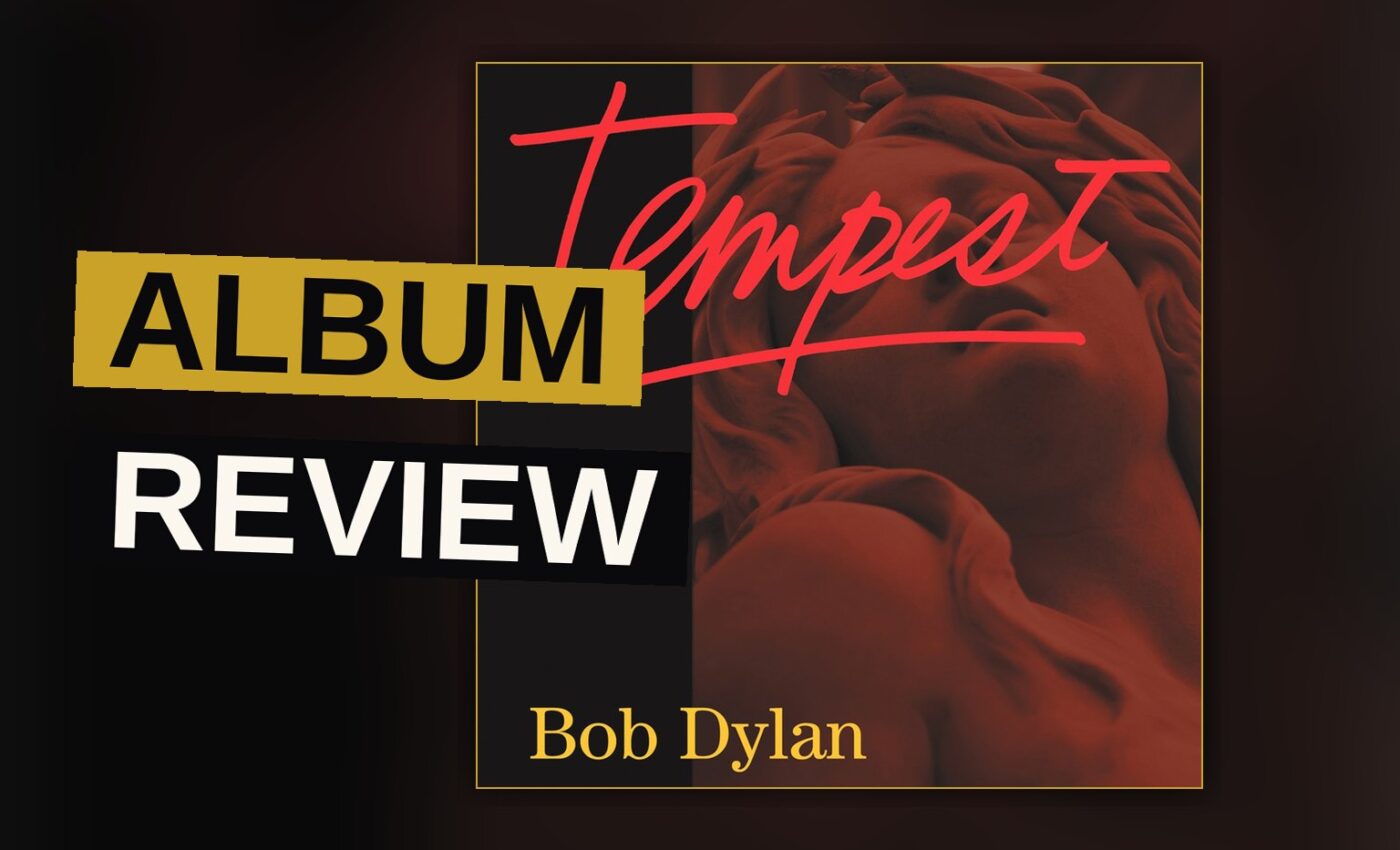
Bob Dylan is 71 years old, and on Tempest he sounds like a man with nothing left to prove and no patience left to spare. This is his 35th studio album, a 68-minute record of murder ballads, historical bloodbaths, and hard-won jokes, delivered in a voice that has aged into something closer to gravel and smoke than melody. It is not a friendly record. It is not a welcoming one. It is, however, a gripping one.
Tempest is Dylan doing what he does best in his late period: staring into the dark and finding it funny. The album opens with a train whistle and a shuffle, and it ends with a eulogy. In between, it visits the Titanic, the American frontier, and the kind of romantic entanglements that end with someone dead in a ditch. The critics who praised it called it a return to form; the ones who didn’t called it rote. Both sides were talking about the same record. The truth is that Tempest is uneven, overlong, and occasionally transcendent — and the highs are high enough to carry the whole thing.
Opening the Record
The album starts with “Duquesne Whistle,” a jaunty, horn-led number that sounds almost cheerful until you listen to the lyrics. Dylan is being followed, watched, and pulled toward a woman he cannot resist. The whistle is a warning and a summons at once. It is the lightest track here, and it works because it sets a trap: you think you are in for a pleasant stroll, and then the record turns on you.
“Soon After Midnight” is a slow, smoky blues that feels like a late-night confession. It is short, at just over three minutes, and it does not overstay its welcome. Dylan sings about a woman who is both good and evil and a heart that is dark as coal. It is not a standout, but it sets the tone: this is a record about desire and its consequences.
“Narrow Way” is where the album starts to stretch its legs. At over seven minutes, it is a rambling, bluesy sermon that touches on love, death, and the impossibility of getting what you want. The title track will go longer, but “Narrow Way” establishes the pattern: Dylan is in no hurry, and he expects you to keep up.
Blood and History in the Middle
“Long and Wasted Years” is the quietest moment on the record, a piano-led ballad about time and regret. It is also one of the most personal tracks Dylan has written in years, touching on family, aging, and the things we say to people we love and then cannot take back. It is not flashy, but it lands.
“Pay in Blood” is the album’s first great track. It is a snarling, mid-tempo rocker built on a single chord and a relentless rhythm, and Dylan sounds genuinely angry. The chorus is a threat about paying in blood but not his own. It is a song about debt, power, and the cost of survival, and it is the moment the record goes from good to essential.
“Scarlet Town” slows things down again, a seven-minute ballad that feels like a folk tale from a place that never existed. It is dense with imagery — church bells, dead men, gold and silver — and it rewards repeated listens. It is not an easy song, but it is a rich one.
“Early Roman Kings” is a swampy, mid-tempo blues about power and corruption. It is not subtle, and it does not try to be. Dylan compares modern financiers and politicians to the emperors of ancient Rome, and he sounds like he is enjoying every second of it.
The Long Haul
“Tin Angel” is the album’s second-longest track, at over nine minutes, and it is the one that tests your patience. It is a murder ballad in the traditional style, with a love triangle, a betrayal, and a triple homicide. The story is gripping, but the arrangement is almost static — a slow, minor-key drone that does not change much over its runtime. It is the kind of song that rewards attention and punishes distraction.
Then comes “Tempest,” the 14-minute title track that re-tells the sinking of the Titanic. It is the most ambitious thing on the record, and it is also the most divisive. Dylan names the ship, the passengers, and the iceberg, and he takes his time doing it. The song is built on a simple, repeating riff, and the lyrics are a series of vignettes: the band playing, the rich and poor alike, the moment of impact. It is not a song that rewards casual listening. It is a song that demands you sit with it.
The album closes with “Roll on John,” a tribute that is the most straightforwardly emotional thing here. Dylan’s voice strains as he sings, and the effect is moving without being maudlin. It is a eulogy, but it is also a reminder that Dylan has outlived nearly all of his peers, and that he knows it.
The Voice
The most talked-about element of Tempest is the voice. Dylan has never been a smooth singer, but age has pushed his instrument into something harsher. He barks, he growls, he swallows syllables. The New York Times described his singing as a raspy, phlegmy bark that is not exactly melodic and by no means welcoming. That is accurate. It is also beside the point.
Dylan’s voice is not a vehicle for melody. It is a vehicle for meaning. When he sings about paying in blood, the gravel in his throat makes the threat feel real. When he sings about the Titanic going down, the weariness in his voice makes the disaster feel inevitable. He is not trying to charm you. He is trying to tell you something.
Pitchfork gave the album a 6.8, complaining that some tracks were rote or overlong. That is a fair criticism of “Tin Angel” and parts of “Tempest.” But it misses the point of the record. Tempest is not a collection of singles. It is a long, dark, rambling story, and it is meant to be taken as a whole.
What Works and What Doesn’t
The album’s strengths and weaknesses are easy to list:
- Best tracks: “Pay in Blood,” “Duquesne Whistle,” “Roll on John,” “Early Roman Kings”
- Strong but demanding: “Tempest,” “Scarlet Town”
- Overlong: “Tin Angel,” parts of “Narrow Way”
- Slight: “Soon After Midnight,” “Long and Wasted Years”
That is a solid batting average for a 68-minute record. The best songs here are as good as anything Dylan has released this century. The worst are merely forgettable, not embarrassing.
Verdict
Tempest is not a perfect album. It is too long, too uneven, and too stubborn to be perfect. But it is a great record, and it is great because Dylan refuses to soften himself. He is old, he is angry, and he is still working. The album is a reminder that he is one of the few artists from his era who never stopped taking risks.
It is also a dark record, full of violence, lust, and death. The AllMusic review called it gritty and cantankerous, which is exactly right. This is not a record for people who want comfort. It is a record for people who want to hear a master still pushing himself.
Here is the ranking of the album’s ten tracks, from strongest to weakest:
- “Pay in Blood”
- “Roll on John”
- “Duquesne Whistle”
- “Early Roman Kings”
- “Scarlet Town”
- “Tempest”
- “Long and Wasted Years”
- “Narrow Way”
- “Soon After Midnight”
- “Tin Angel”
The album holds a Metacritic score of 83 out of 100.
Get the Notebook.
The day's best stories and every fresh verdict, in plain English, in your inbox by seven. One email a day, no more.
- Duquesne Whistle5:44
- Soon After Midnight3:28
- Narrow Way7:28
- Long and Wasted Years3:47
- Pay in Blood5:10
- Scarlet Town7:17
- Early Roman Kings5:14
- Tin Angel9:05
- Tempest13:55
- Roll on John7:26