
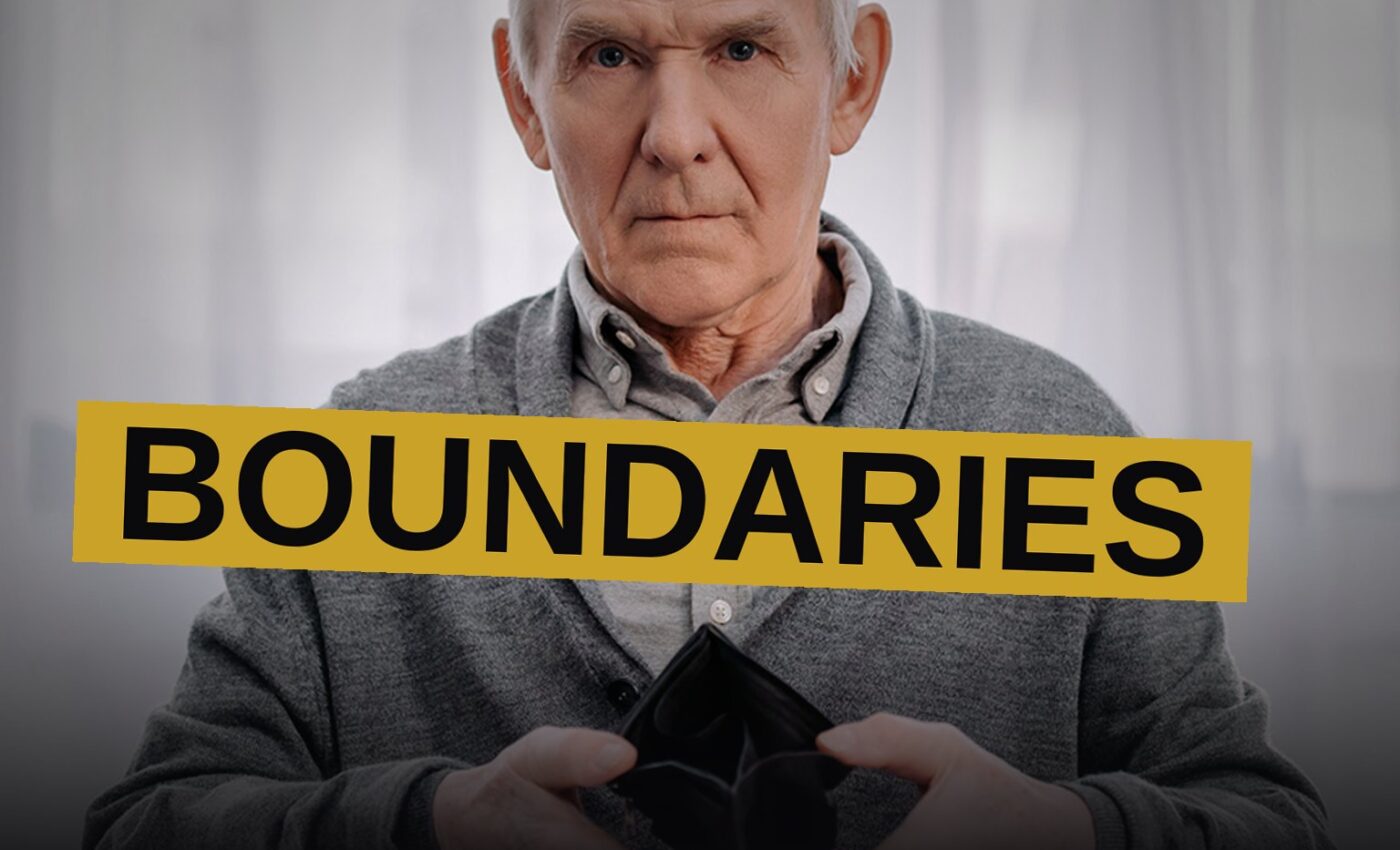
A father of nine has decided his daughter’s future for her: finish college, come home, and support the family while he retires early. She is pushing back. The resulting family drama has drawn attention to parental expectations and the right to live your own life.
The daughter, posting anonymously to the ‘Girl Dinner Diaries’ online community, described the immense pressure her dad is placing on her shoulders. She is expected to complete her degree and immediately take on the financial burden of her large household, all so her father can stop working and enjoy himself. Her refusal has put her in direct conflict with his plans.
A Plan She Never Agreed To
The woman’s core grievance is straightforward. She wants to build her own future after college, but her father sees her as a financial resource for the family. His plan involves her returning home and contributing her income to support her parents and siblings, effectively subsidizing his early retirement.
The daughter is having none of it. She is fighting for her right to make her own choices. The tension highlights a common struggle for young adults: balancing love and loyalty to family with the need for independence.
How Family Pressure Builds
The situation is a textbook case of the pressure parental expectations can put on children. When those expectations are unrealistic or needlessly restrictive, the weight of them can impact mental and emotional health. This pressure often leads to frustration, resentment, and guilt, along with a feeling of never being good enough.
The daughter’s situation is particularly intense because of the size of her family. Supporting nine children is a significant financial undertaking, and the father’s desire to retire early places a massive burden on his daughter. The level of control he is attempting to exert over her life seems very concerning.
Conditional Love and Its Costs
According to PsychCentral, the dynamic at play here begins in childhood. When a child is small, they are fully dependent on their parents. As a result, they have “no other choice but to undertake whatever role or standard they are expected to meet in order to be accepted and loved, at least conditionally.”
“The child often grows up thinking that they are indeed a failure, a disappointment, a bad person.”
This conditional acceptance can have long-lasting effects. If a child tries to resist the pressure while growing up, they might be called disobedient or bad. In some cases, they might even get punished, whether actively or passively. The result is a child who learns to erase their own needs to meet the expectations of others.
The Pattern of Self-Erasure
The psychological impact of this conditioning is severe. A person who grows up this way often struggles with toxic guilt and shame. They are also confused about who they really are, since they have been conditioned not to be themselves but to be whatever they are expected to be. In other words, they are conditioned to self-erase.
The daughter in this story is attempting to break that pattern. By refusing her father’s plan, she is asserting her own identity and rejecting the role he has assigned to her. It is a difficult stand to take.
Why Saying No Is So Hard
Setting boundaries is hard, especially with family. If you have never done it before, it is likely that your family will have problems with your new standards. At least at first. It will take time and effort for them to adapt to these new rules of engagement.
The daughter’s refusal is a direct challenge to the family’s expectations. She is trying to establish a healthy separation between her life and her family’s financial situation.
Guilt as a Weapon
One of the biggest obstacles to setting boundaries is guilt. Healthline notes that it is expected to feel a little guilt when setting boundaries. If you believe someone has good intentions, you may want to avoid hurting their feelings. This is especially true with parents, where the desire for approval runs deep.
The article continues: “Even when you set boundaries with compassion, they could still feel hurt. If you then feel guilty for offending them, you might give them some ground when they push back against those limits. Flimsy or nonexistent boundaries might make your guardians feel better, but they won’t improve your situation.”
This is a trap many people fall into. The guilt of saying no leads to giving in, which only reinforces the unhealthy dynamic. For the daughter in this story, holding firm is essential, even if it means disappointing her father.
What Giving In Would Cost
The stakes here are high. If the daughter gives in to her father’s demands, she risks sacrificing her own future. She would be starting her adult life not as an independent person, but as a financial support system for her parents and siblings.
Furthermore, if you believe that your parents don’t respect your ability to make your choices for yourself, it can seriously damage both your self-worth and self-respect.
A Timeline of the Family Conflict
| Stage | What Happens |
|---|---|
| Now | Daughter is still in college, father expects her to return home after she finishes |
| Next Step | Father wants to retire early, daughter would take on family financial support |
| Conflict Point | Daughter refuses the plan |
| Current Status | Family drama unfolds in the ‘Girl Dinner Diaries’ community |
| Unresolved | Whether the daughter will hold her ground or give in |
Standing Firm Against the Pressure
The advice from experts is clear. “When those guilty feelings bubble up, remind yourself that by standing firm and politely repeating your boundaries, you’re supporting your well-being.”
It is a lesson in self-preservation. You are your own person. You have to learn to put your well-being and needs first, otherwise, you cannot take care of others properly. That means being able to say “no” to your loved ones when they make unreasonable requests. The key word here is “unreasonable.” If someone is acting overly entitled and you genuinely cannot do a favor for them, it is fair to refuse it.
The Bigger Picture
This story resonates because it is so common. Many young adults face pressure from their families to contribute financially, to follow a certain career path, or to stay close to home. The struggle to find a healthy balance between supporting loved ones and being your own person is a universal one.
The daughter in this story is trying to do just that. She is drawing a line in the sand, telling her father that his retirement plan is not her responsibility. The conflict is painful, but it is also necessary for her to become an independent adult.
We want to hear from you, Pandas. Tell us what you think, how you would handle the situation, and how you protect your own boundaries in the comments.
Source: boredpanda.com
Get the Notebook.
The day's best stories and every fresh verdict, in plain English, in your inbox by seven. One email a day, no more.