
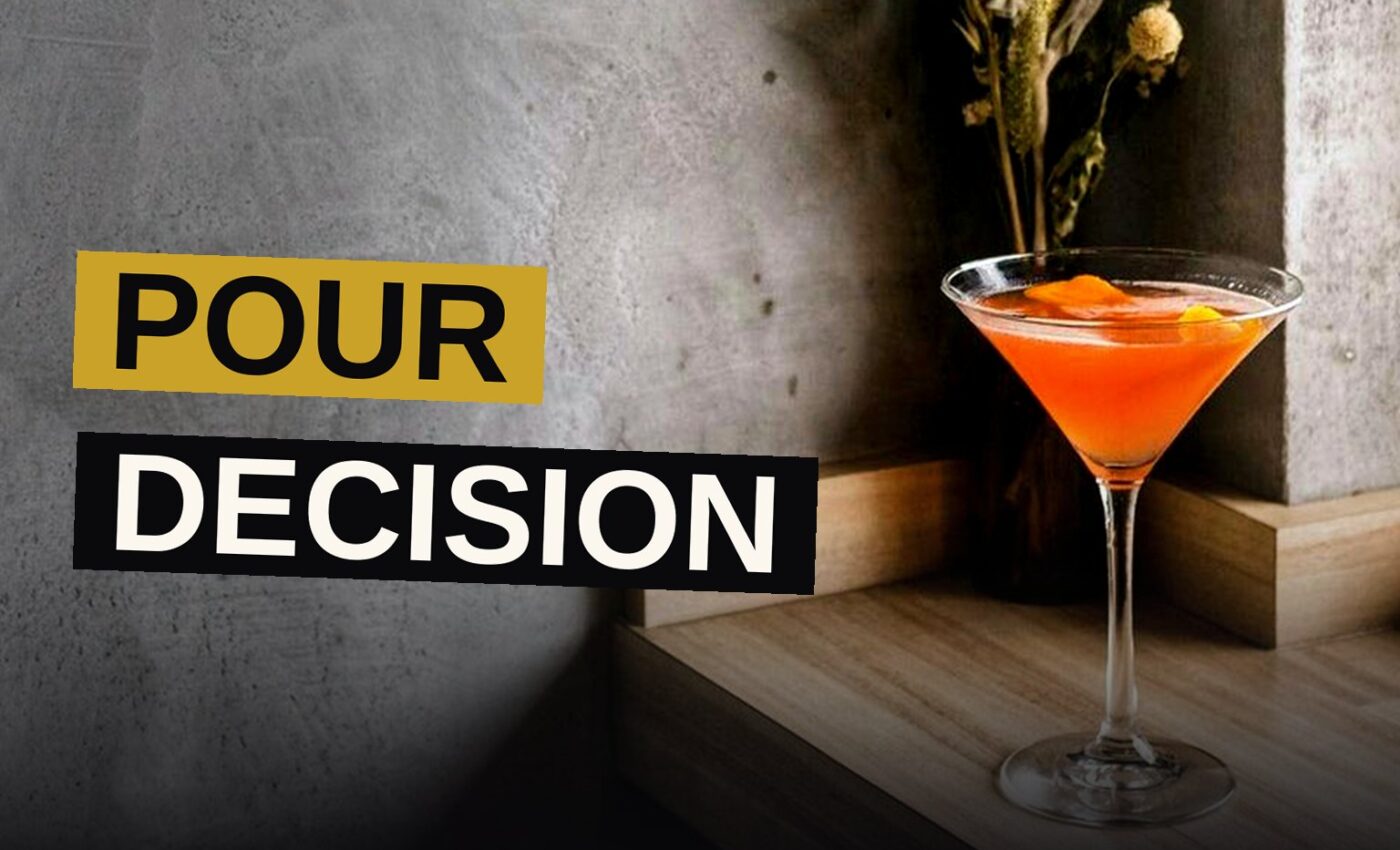
James O’Brien built Popina into the restaurant where New York sommeliers go to drink on their nights off. The latest episode of “The Buildout” podcast digs into how he did it. The answer goes beyond the prices, though those help. O’Brien joins host Adam Teeter to explain how a sense of hospitality, carried through the entire staff, turned Popina into both a destination and a neighborhood spot full of regulars — even when many of those regulars live nowhere nearby.
The Popina Appeal
Popina has become a known quantity in New York’s wine world. The episode frames it plainly: it’s the place where seemingly every sommelier in the city wants to drink wine after their shift ends. That kind of reputation does not arrive by accident, and the episode spends its runtime unpacking exactly how O’Brien earned it.
The prices are part of the draw. A restaurant that wine professionals choose for their own time off has to offer something they can justify returning to again and again, and the episode makes clear that affordability plays a role. But the deeper success comes from the restaurant’s founding philosophy. O’Brien’s approach starts with hospitality and extends to everyone who works there.
That shared commitment creates an environment that feels inviting, delicious, and accessible. Those three qualities are easy to name and harder to deliver together. Many restaurants manage one or two of them. Popina, according to the episode, manages all three at once.
The prices are certainly part of the appeal, but the success of Popina comes from something deeper.
James O’Brien’s Approach
O’Brien joins Adam Teeter on the episode to talk about the choices that shaped Popina. The conversation covers how he created a space that works on two levels at once. It is a destination for people who plan their night around it. It is also a casual spot where regulars feel at home.
The episode presents O’Brien’s philosophy as the engine behind the restaurant. He built the place around a specific idea of hospitality, and he made sure that idea carried through the entire staff. That consistency is what separates Popina from a restaurant that just happens to have good wine and fair prices.
The trick, according to the episode, is that many of those regulars live nowhere nearby. A neighborhood spot usually draws from the blocks around it. Popina draws from wherever its regulars happen to live, and the episode treats that as a feature rather than a quirk.
O’Brien’s sense of hospitality is not a slogan. It is a working principle that shapes how the staff treats every guest who walks through the door. The episode argues that this is what makes the restaurant feel the same whether someone is a first-time visitor or a hundredth-time regular.
Farmer’s Gin Sponsorship
The episode is sponsored by Farmer’s Gin. The ad read, voiced by a bartender, describes it as a spirit he feels confident pouring and recommending to guests. That endorsement carries weight because it comes from someone whose job depends on knowing what belongs in a glass.
Farmer’s Gin is made in Idaho using regenerative, organic certified grain grown on a family farm. The approach supports healthier soil and biodiversity, which the sponsor says you can taste in the glass. The ad read frames those farming choices as more than a sustainability talking point — they are presented as the reason the gin tastes the way it does.
The gin is positioned as a workhorse for the bar or the home bar. It is meant for classics like Martinis and Gimlets, and it comes at a price that makes it an easy recommendation. For a bartender, that combination of quality and value matters. A spirit that only works in one cocktail is a specialty item. A spirit that works across the classics is a tool.
| Spirit | Origin | Ingredients | Best For |
|---|---|---|---|
| Farmer’s Gin | Idaho | Regenerative, organic certified grain | Martinis, Gimlets |
The ad read also emphasizes that the grain is grown on a family farm. That detail ties the product to a specific place and a specific way of doing things. It is not a mass-produced spirit with no story behind it. It is a gin with a clear origin and a clear set of practices behind it.
For listeners who are bartenders themselves, the ad read is pitched directly at their daily decisions. What do you pour when a guest asks for a gin martini? What do you stock when you want a bottle that delivers without breaking the budget? Farmer’s Gin, according to the sponsor, answers both questions.
Where to Listen
The episode is available across multiple platforms. You can watch it on YouTube or listen online. It is also on Apple Podcasts and Spotify. The full episode is titled “The Buildout Podcast: Popina.”
The episode was produced and edited by Darby Cicci. The image used for the episode was retrieved from Popina. Those production credits are standard for the podcast, which releases each episode across the same set of platforms.
For listeners who prefer video, the YouTube version offers a chance to see the conversation rather than just hear it. For those who listen on the go, the audio platforms make it easy to take the episode along. The podcast also maintains a social media presence, with accounts for The Buildout Podcast, Popina, James O’Brien, VinePair, and Adam Teeter.
The Regulars Who Travel
One of the more interesting details in the episode is the nature of Popina’s regulars. Many of them do not live nearby. They travel to get there. That is a sign of a restaurant that has become a destination in its own right.
The episode frames this as a central part of Popina’s identity. It is a neighborhood spot, but its neighborhood is not geographical. Its neighborhood is made up of people who care enough about wine and hospitality to make the trip.
That dynamic is rare. Most restaurants draw from their immediate surroundings. Popina draws from wherever its regulars call home because it offers an experience they are willing to travel for.
The Takeaway
Popina’s success is not just about what is on the menu. The episode argues that the restaurant’s culture is the real product. O’Brien’s hospitality philosophy runs through the staff. That consistency is what makes the place work.
A restaurant can have great food, great wine, and great prices and still fail if the room feels cold. The episode suggests that Popina avoids that trap because hospitality is not an afterthought. It is the foundation.
It is a lesson for anyone building a hospitality business. The space matters, the wine matters, but the feeling matters most. That feeling comes from a staff that shares the owner’s instincts and a philosophy that is clear enough to guide daily decisions.
The Buildout episode offers a clear look at how one restaurant earned its reputation. It is a story about consistency, hospitality, and knowing what you are. O’Brien’s approach is not complicated. It is about treating guests well and making sure the staff shares that instinct.
The result is a restaurant that wine professionals choose for their own time off. That may be the strongest endorsement a restaurant can get. When the people who know wine best decide where to spend their free hours, they pick Popina. The episode explains how that happened, and the answer is a philosophy, applied consistently, by everyone in the building.
Source: vinepair.com
Get the Notebook.
The day's best stories and every fresh verdict, in plain English, in your inbox by seven. One email a day, no more.