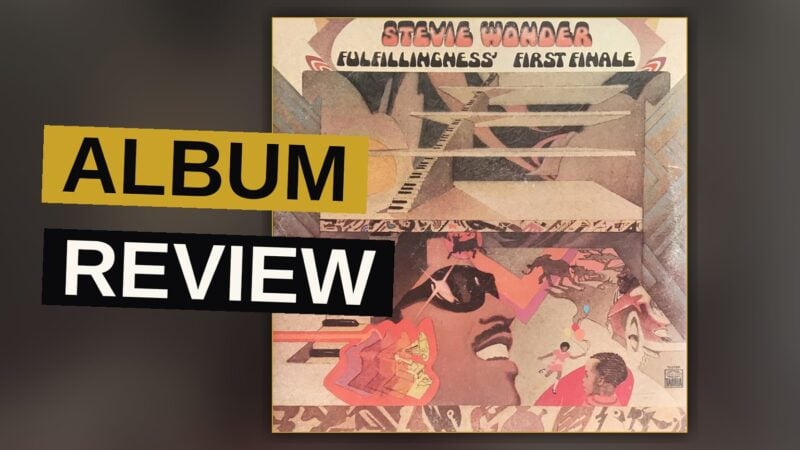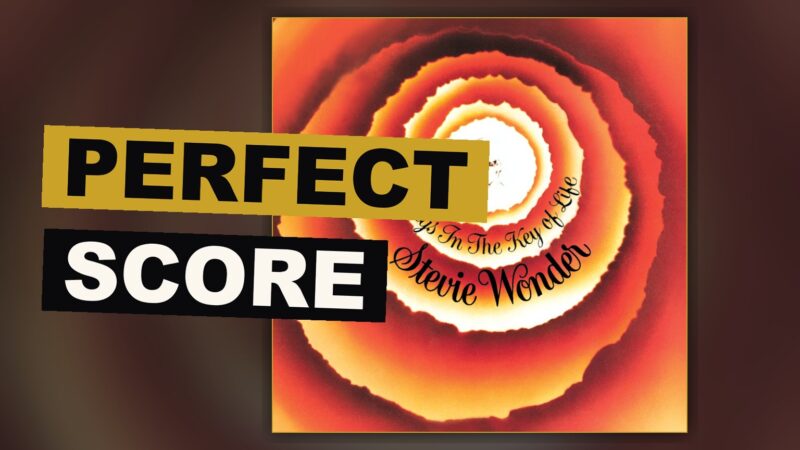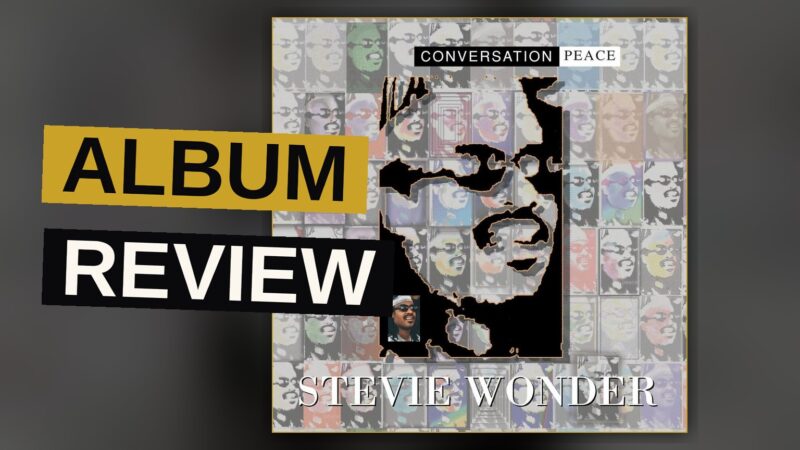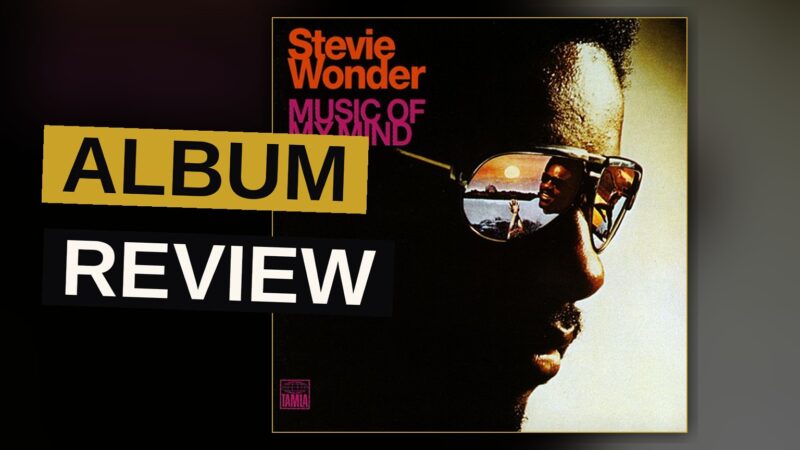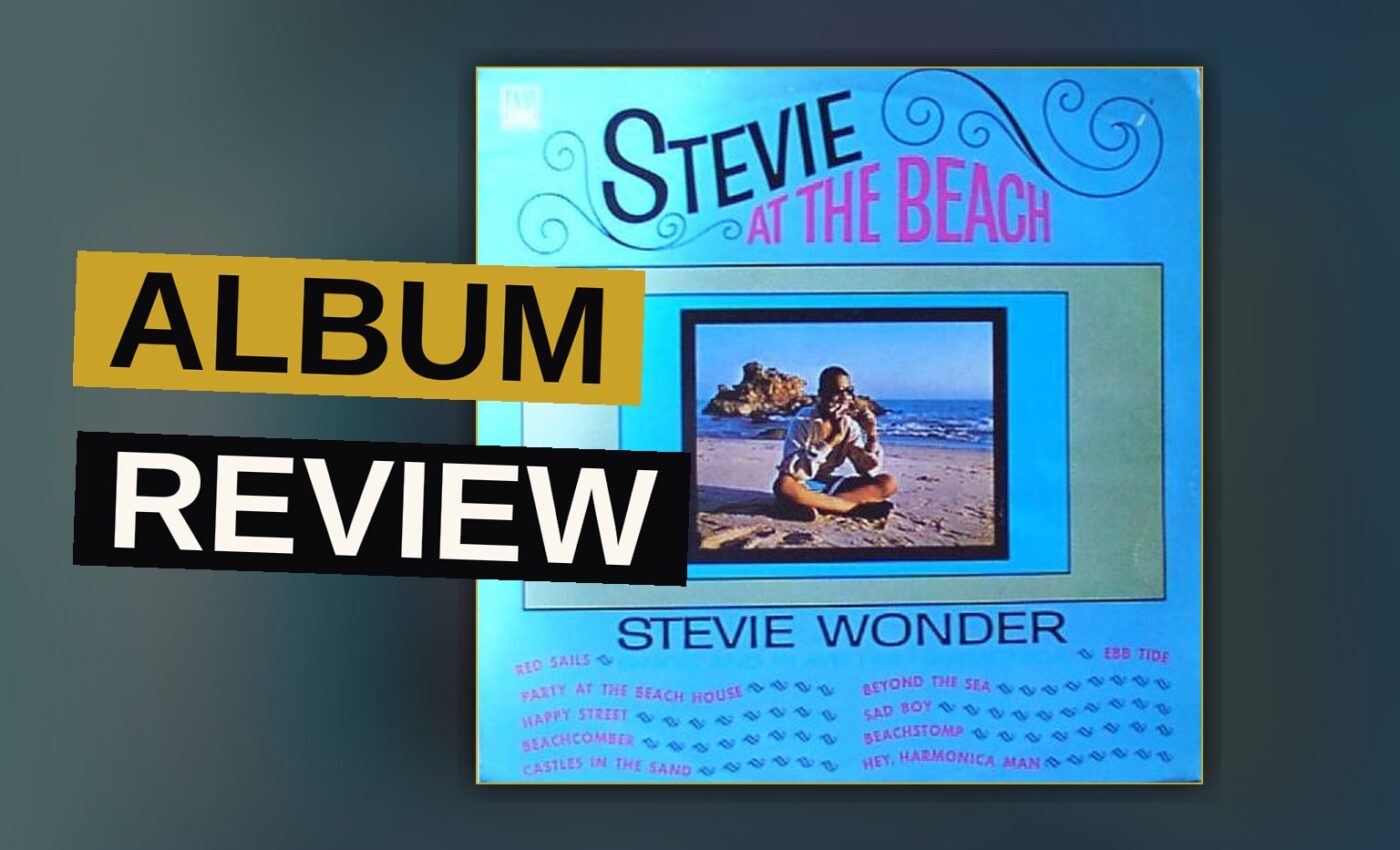
Stevie Wonder was 14 years old when his label handed him a surfboard and told him to make a beach album. Stevie at the Beach, released in 1964, is exactly what that sounds like: a young soul prodigy shoehorned into a trend that had nothing to do with him. It is a commercial gambit, a label chasing the surf-rock wave that was cresting in the early sixties. The record is short, just 24 minutes across 11 tracks, and it mostly misses.
Wonder himself later called this period embarrassing. AllMusic agrees, with one crucial amendment: it is not quite as bad as he claimed. That is the fairest way to approach this odd little artifact. It is not a disaster. It is a mismatch.
Opening With “Castles in the Sand”
The album opens with “Castles in the Sand,” a slow, loping number that tries to sound breezy and lands somewhere closer to drowsy. The melody is fine, the arrangement is pleasant, but the whole thing lacks the snap that made Wonder’s earlier singles work. It is the kind of song that plays in the background of a beach scene in a movie you are not really watching. AllMusic notes it “failed to scale the charts,” calling it “a rather dull attempt to appeal to surfers and beach hangers.” That is accurate.
“Ebb Tide” follows, and here the record takes a strange turn. It is a cover of the old standard, a song about the ocean that predates the surf craze by decades. Wonder’s vocal is earnest, and the arrangement is smooth, but it does not fit the party vibe the album is trying to sell. It feels like a ballad dropped into a pool party. It is not bad, just out of place.
“Sad Boy” is the first real surprise. The title suggests a novelty, but the track has genuine feeling. Wonder leans into the melancholy, and his voice, still young and unpolished, carries an honesty that the surrounding material lacks. It is the first moment where you remember that this kid was already a major talent. It does not save the album, but it earns its place.
“Red Sails in the Sunset” is another cover, and it is the weakest of the three standards. The tempo is sluggish, the arrangement is busy, and Wonder sounds like he is going through the motions. Critics have singled it out, and not kindly. It is the kind of track you skip.
The Instrumentals and Party Tracks
“The Beachcomber” is an instrumental, and it is exactly what you expect: a jaunty, unremarkable surf-adjacent tune. It is not offensive, but it is forgettable. The guitar work is competent, the rhythm is steady, and nothing about it demands your attention.
Then comes the second “Castles in the Sand,” this time as an instrumental. It is a shorter, stripped-down version of the opener, and it works slightly better without the vocal. The melody is simple, and the instrumental treatment gives it a little more room to breathe. It still does not reach the charts, but it is a decent filler piece.
“Party Street” picks up the pace. This is the first track that feels like it is having fun. The beat is bouncy, the horns are bright, and Wonder sounds like he is enjoying himself. It is not a great song, but it is a good one, and it injects some energy into a record that has been dragging.
“The Party at the Beach House” is the sequel, and it is more of the same. It is a party track, plain and simple. The lyrics are about dancing and having a good time, and the music does exactly what it says. It is not deep, but it is not trying to be. It is the most honest song on the album.
“Hey Harmonica Man” and the Strongest Moments
“Hey Harmonica Man” is the highlight. Critics have singled it out, and for good reason. Wonder’s harmonica playing was already a signature, and here it gets a proper showcase. The song is catchy, the hook is strong, and it is the only track that feels like it could have been a hit in any genre. It is the sound of a kid doing what he is actually good at, even if the packaging is wrong.
“Beach Stomp” is a throwaway. It is a dance instrumental, and it is exactly as disposable as it sounds. The rhythm is fine, the guitar is fine, and it is over in under three minutes. It is the kind of track that exists to fill space.
The album closes with “Beyond the Sea,” another standard. It is the best of the three covers, largely because Wonder commits to it. His vocal is warm, the arrangement is lush, and it ends the record on a note of genuine charm. It is not a surf song, but it is a good song, and that is enough.
The strongest moments on the record share a common thread:
- “Hey Harmonica Man” works because Wonder’s instrument takes center stage
- “Sad Boy” works because it is honest
- “Beyond the Sea” works because it is a good standard, well sung
The failures are the ones that lean into the gimmick. “Red Sails in the Sunset” and “Beach Stomp” are the worst offenders, because they are nothing but gimmick.
Why the Experiment Failed
The problem with Stevie at the Beach is not the music. It is the concept. Wonder was a soul singer, a prodigy with a voice and a harmonica that had already made him a star. He was not a surfer, and he was not a beach kid. The label tried to sell him as something he was not, and the record suffers for it.
The songs that work are the ones where the beach theme is just a backdrop. The songs that fail are the ones that lean into the premise. AllMusic’s take is fair. “It’s not one of Stevie’s most sterling efforts, but it’s not the embarrassment he claims either.” That is the right read. Wonder was embarrassed because the record did not represent him. But embarrassment is a strong word for a record that is mostly just forgettable.
Stevie at the Beach is a curio. It is a piece of pop history, a snapshot of a label trying to chase a trend with a star who did not fit it. It is not a good album, but it is not a bad one either. It is a minor work by a major artist, and it is worth a listen for the curiosity factor alone.
Wonder moved on quickly, and so should you. This is not a record to revisit often, but it is not one to skip entirely either. It is a footnote in a legendary career, and it is fine to leave it there.
AllMusic’s final word is the closest thing to a consensus: “Well…maybe for him.” That is the right note. The record is an embarrassment only if you expect it to be something it is not. If you take it for what it is, a label’s failed experiment, it is just a minor, mildly interesting piece of pop history.
5 of 10.
Get the Notebook.
The day's best stories and every fresh verdict, in plain English, in your inbox by seven. One email a day, no more.
- Castles in the Sand2:14
- Ebb Tide1:47
- Sad Boy2:30
- Red Sails in the Sunset2:03
- The Beachcomber1:49
- Castles in the Sand (instrumental)1:54
- Party Street2:21
- The Party at the Beach House2:05
- Hey Harmonica Man2:40
- Beach Stomp2:39
- Beyond the Sea2:48