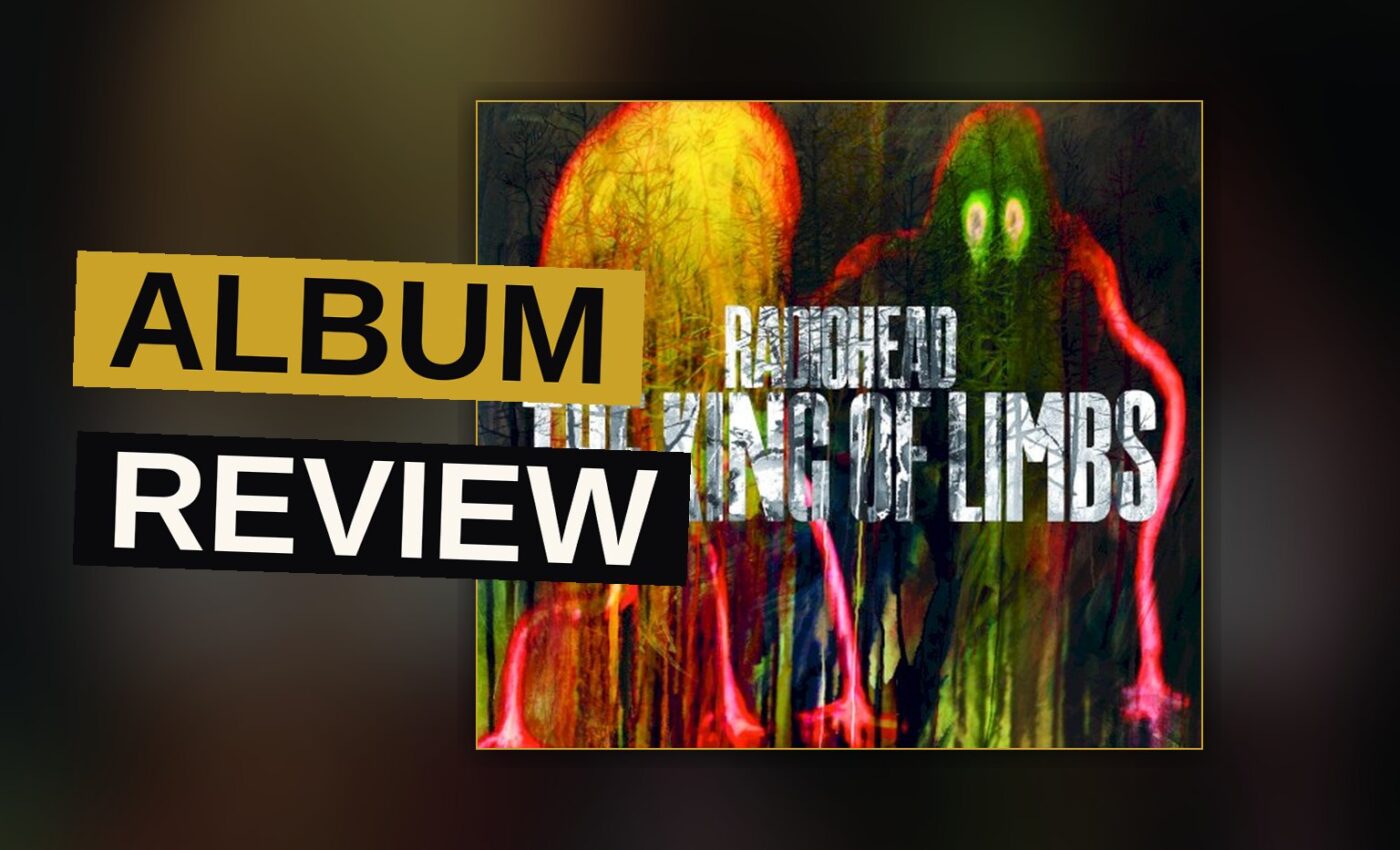
Radiohead’s eighth studio album, The King of Limbs, is a record that arrives with its shoulders hunched. Released in 2011, it is a deliberate step down from the grand, sweeping gestures of In Rainbows and the jagged rock of Hail to the Thief. This is a shorter, stranger, and more skeletal collection — eight tracks in 37 minutes — that borrows from the textures of contemporary electronic music rather than trying to reinvent the wheel. It is not the sound of a band breaking new ground; it is the sound of a band pulling the curtains, turning the lights down, and working in a smaller room.
The album’s title comes from an oak tree, and the songs feel ancient and gnarled, rooted in loops and repetitions rather than forward momentum. Thom Yorke has described the creative process as a reaction against the “creative hoo-ha of a long-play record,” a quote that captures the band’s fatigue with the album format’s expectations. What they delivered instead is a dense, thorny piece of work that rewards patience but resists easy entry. It is one of Radiohead’s most challenging albums, but also one of their least dynamic — a trade-off that has divided fans for over a decade.
The question is whether that trade-off pays off. On its own terms, The King of Limbs is a fascinating puzzle, a record that reveals its logic slowly. It is not a crowd-pleaser, and it does not want to be. But for those willing to sit inside its loops, there is a strange, hypnotic beauty to be found.
Bloom Sets the Tone
The album opens with “Bloom,” a track that sets the tone for everything that follows. Built on a pulsing, jazz-influenced drum loop that the band manipulated and sampled, the song feels like it is constantly shifting beneath your feet. Yorke’s vocals float above the chaos, but the music itself is restless and uneasy. It is a bold opener — not a hook-laden invitation, but a challenge. The track builds to a shimmering climax, but it never resolves into anything conventional. It is a statement of intent: this is not the Radiohead you remember.
“Morning Mr Magpie” follows, and it is arguably the album’s most contentious track. The song has a funky, off-kilter guitar riff that feels like a distant cousin of earlier Radiohead experiments. But where those tracks had a wry, playful energy, “Mr Magpie” feels more brittle. The lyrics are cryptic, and the production is dry and clipped. It is a track that has grown in stature over time, but on first listen, it can feel like a stumble. The rhythm is jerky, the melody is elusive, and the payoff is muted.
Little by Little and Feral Dig In
“Little by Little” continues the album’s quiet abrasion. Built around a two-chord piano vamp and a stuttering beat, the song is a study in restraint. Yorke’s vocals are buried in the mix, and the track’s central riff — a descending, almost medieval-sounding figure — gives it a strange, archaic quality. It is not a single, and it was never meant to be. But there is a grim satisfaction in the way the band locks into the groove and refuses to let go.
“Feral” is where the album gets truly difficult. It is the shortest track here, at just over three minutes, and it is essentially a vocal-less exercise in rhythm. Yorke’s voice appears only as a series of wordless yelps and fragments, chopped and scattered across a skittering, bass-heavy beat. It is the most abstract moment on the record, and it will test the patience of anyone looking for a melody. But it also serves a purpose: it cleanses the palate, resetting the listener’s expectations before the album’s emotional core.
That core arrives with “Lotus Flower,” the track that most listeners will already know. It was the album’s lead single, and it is the closest thing to a conventional song here. A slow-burning synth groove supports Yorke’s falsetto, and the chorus is the most memorable moment on the record. The song’s accompanying video, featuring Yorke’s jerky, robotic dance, became a meme, but the track itself is genuinely affecting. It is the moment where the album’s cold surfaces crack, revealing something vulnerable underneath. It is also the only track that feels like it could exist outside the album’s hermetic world.
Codex, Give Up the Ghost, Separator Close the Record
The album’s final three tracks are its most beautiful, and they form a suite that feels like a slow exhale. “Codex” is a piano-led ballad that recalls the quieter moments of Kid A. The piano chords are sparse and hymnal, and Yorke’s voice is almost painfully fragile. The lyrics paint a picture of peaceful surrender, and the imagery is both calming and unsettling. There is no percussion to speak of — just a warm, ambient bed of strings and a sense of gravity. It is the album’s most direct emotional statement, and it lands with real weight.
“Give Up the Ghost” is even more stripped back. It is essentially Yorke and an acoustic guitar, with a looped backing vocal that builds gradually throughout the track. He repeats a plea not to be haunted, turning the phrase into a mantra. The song feels like a meditation on letting go, and it is one of the most intimate moments in Radiohead’s catalog. It is also a reminder that, for all their studio trickery, the band can still move you with almost nothing at all.
The album closes with “Separator,” a track that offers a tentative sense of release. The groove is lighter and more buoyant than anything else on the record, and the lyrics suggest that the journey is not over. It is not a triumphant ending, but it is a hopeful one. The song fades out on a gentle guitar figure, leaving the listener with a sense of unresolved peace. It is the right way to end an album that has spent its runtime refusing to give you what you want.
Where the Album Sits in the Catalog
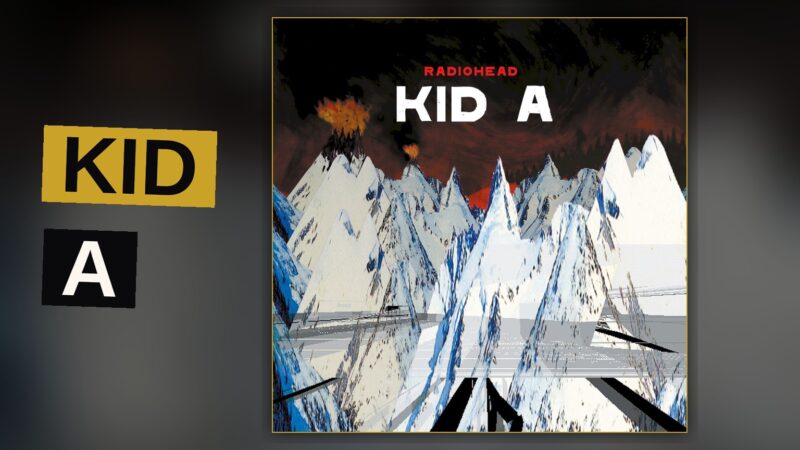
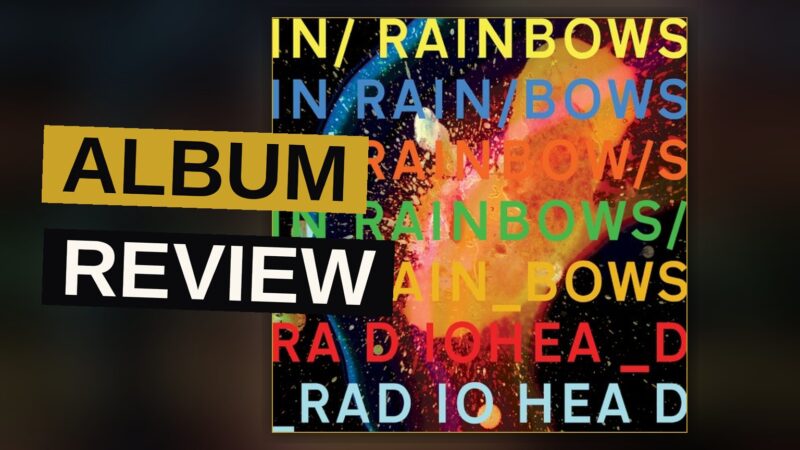
The King of Limbs sits awkwardly in Radiohead’s discography. It is not as revolutionary as Kid A, and it lacks the lush, romantic warmth of In Rainbows. It is a smaller record, and it was made deliberately that way. The band has said they wanted to avoid the “creative hoo-ha” of a long-play record, and that intention is written all over these eight tracks. They are not trying to conquer the world; they are trying to make sense of a particular mood.
This is also the album’s greatest weakness. By stripping away the dynamics and the drama, Radiohead risk leaving the listener with nothing to hold onto. The songs are often more interesting than they are moving, and the album’s monochrome palette can feel exhausting. There are moments — particularly in the middle stretch — where the band’s commitment to abstraction feels more like stubbornness than inspiration. “Feral” and parts of “Little by Little” are fascinating in theory, but they are hard to love.
None of us want to get into that creative hoo-ha of a long-play record again
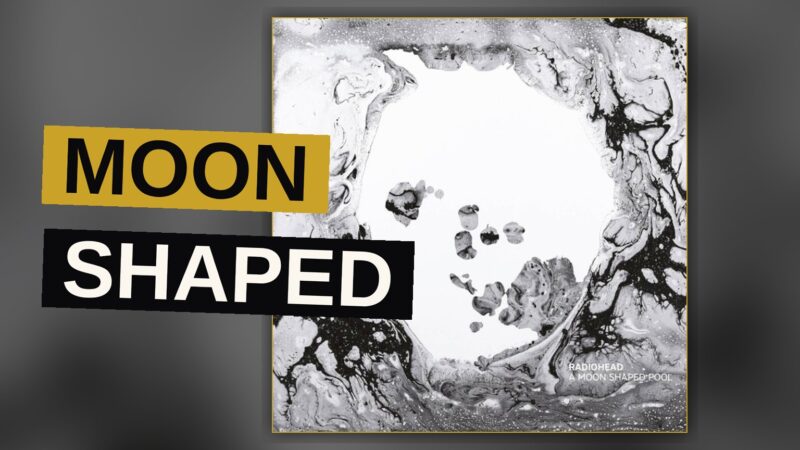
And yet, the album has aged better than many critics initially predicted. The tracks that felt like dead ends in 2011 now feel like signposts toward the band’s later work, particularly the more electronic and fragmented A Moon Shaped Pool. “Bloom” has become a live favorite, and “Separator” has been praised as one of the band’s most underrated closers. The record’s reputation has grown, not shrunk, and it now feels like an essential part of Radiohead’s story — a necessary reset after the commercial and critical peak of In Rainbows.
The critical consensus at the time was mixed but respectful. The album scored 80 out of 100 on Metacritic, and many reviewers noted that it was a more challenging listen than its predecessor. One review in Resident Advisor put it bluntly: “Radiohead don’t really improve on these sounds, they just borrow them.” That is a fair criticism, and it cuts to the heart of what makes The King of Limbs frustrating. The album is not a leap forward; it is a consolidation. It takes the electronic textures the band had been exploring for a decade and pushes them into a more austere, less forgiving shape.
The Final Call
So where does that leave The King of Limbs? It is not Radiohead’s best album, and it is not their most accessible. But it is a record that rewards the effort it demands. The best tracks — “Bloom,” “Lotus Flower,” “Codex,” and “Separator” — are among the most distinctive in the band’s catalog, and they hold up beautifully. The weaker moments are not failures; they are just less generous. They ask you to meet the band halfway, and not everyone will want to make that journey.
This is a record for patient listeners. It is an album that reveals itself in increments, and it does not offer the immediate gratification of past hits. But that restraint is part of its point. The King of Limbs is a record that trusts you to catch up, and if you do, it has plenty to offer.
It is not a masterpiece, but it is a worthy entry in a remarkable catalog. It is a band working through a particular set of ideas, and it is a document of a group that refused to repeat itself. For that alone, it deserves respect.
8 of 10.
Key Facts
- Album: The King of Limbs
- Artist: Radiohead
- Release year: 2011
- Tracks: 8
- Total runtime: 37 minutes
- Metacritic score: 80/100
- Standout tracks: “Bloom,” “Lotus Flower,” “Codex,” “Separator”
Get the Notebook.
The day's best stories and every fresh verdict, in plain English, in your inbox by seven. One email a day, no more.
- Bloom5:15
- Morning Mr Magpie4:41
- Little by Little4:27
- Feral3:13
- Lotus Flower5:01
- Codex4:47
- Give Up the Ghost4:50
- Separator5:20