
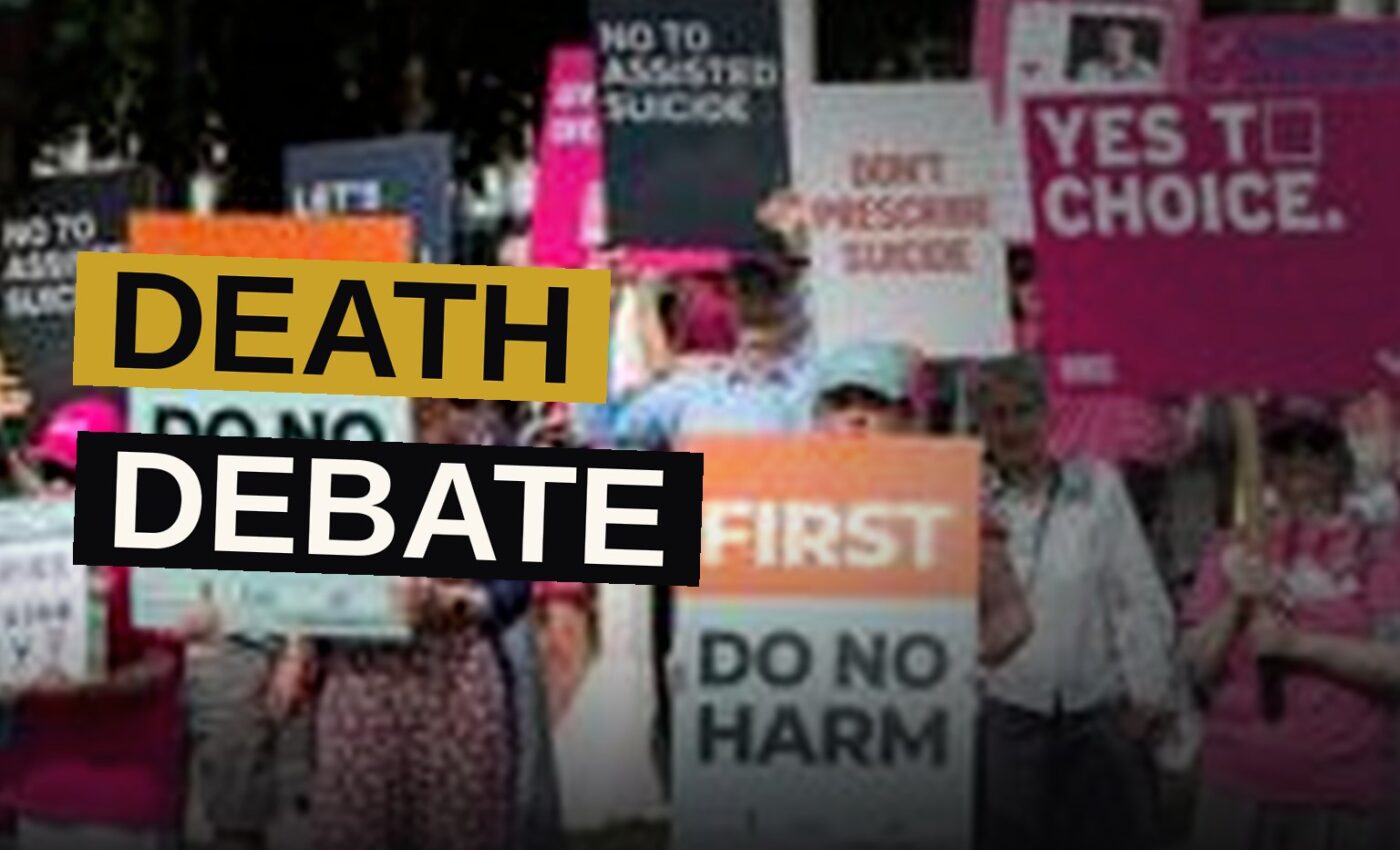
On Friday, MPs will hold a vote to decide whether assisted dying should be made legal in England and Wales, a development that could finally bring the matter closer to becoming law after years of political deadlock.
The bill would let adults with fewer than six months to live apply for help ending their own lives, subject to certain safeguards. Labour MP Lauren Edwards, the bill’s sponsor, argues the current law causes “cruelty” and that the delay in passing it carries a “real human cost.” Opponents say the protections in the bill are too weak to shield vulnerable people from pressure to die.
Earlier this year, a bid to alter the law drew support from MPs before it came to a standstill in the House of Lords when peers introduced more than 1,200 amendments. Edwards now intends to return the same law to the Lords, allowing them to complete the work they began.
The Bill’s Sponsor Makes Her Case
The request from Edwards involves MPs sending the bill “back to the House of Lords so that they can finish what they started.”.
She noted the Lords has an “important role in scrutinising, refining and often improving legislation” sent to them by the Commons. She urged them to let the Lords amend the bill if they choose, saying: “That is how our democratic decisions are made and what should happen now.”
“There is a real human cost to the delay in passing this legislation and correcting the injustices and cruelty of the current law,” she added.
Dame Esther Rantzen, a veteran broadcaster who campaigns for assisted dying, is urging MPs to back the bill. She has said that her own life with terminal cancer has become “unbearable.”.
She has stated that she is too weak to make the journey to an assisted suicide clinic in Switzerland, as she originally intended. The woman, who is 86 years old, explained her situation by saying: “Everything I didn’t want to happen I’m having to go through now.”.
What the Bill Would Require
Two doctors and an expert panel would need to approve a person seeking an assisted death under the bill’s provisions.
Some critics believe that the existing safeguards are inadequate to protect vulnerable individuals from being pressured into ending their own lives. Others contend that bolstering palliative care would better address the underlying issues.
Ashley Dalton, a Labour MP, has said she was opposed to the bill when it was first put forward and it “remains deeply flawed and unsafe.”.
“I have very serious concerns about people, especially vulnerable people, being pressured or coerced into assisted dying. The safeguards within this bill are not enough to support them,” she added.
Who Is Against the Bill
Archbishop Richard Moth, who leads Catholics in England and Wales, branded the proposal “wrong in principle” and “deeply flawed.”. In a separate response, the Archbishop of Canterbury, Dame Sarah Mullally, wrote in the Telegraph that the bill would signal “we are a society that believes that some lives are not worth living.”.
A number of medical groups, such as the Royal College of Psychiatrists and the Royal College of Physicians, have expressed “concerns” about the bill’s built-in guardrails.
The charities Marie Curie, Hospice UK and St Christopher’s have stated that they hold no position on assisted dying, yet they have repeatedly raised concerns about inconsistent end-of-life care across the country and a serious shortage of money for the sector.
How the Vote Will Work
The main principles of the bill will be under consideration during Friday’s second reading debate, with Members of Parliament able to discuss them ahead of the vote. The voting must begin before 14:30 BST.
A yes vote would clear the first major hurdle. The next step gives MPs a chance to look at possible changes during committee stage. Yet their backing might come with conditions attached — voting in favour at this stage does not guarantee the same support at third reading.
Should the bill be defeated by Members of Parliament on Friday, it will fail. Advocates for assisted dying have stated that they intend to return with a fresh attempt at passing legislation as quickly as they can.
There is widespread belief that the outcome will be very tight, with the number of MPs present for the Friday session likely determining who comes out on top. On a normal Friday, members of parliament would instead be back in their constituencies.
The Last Attempt Failed
Kim Leadbeater, a Labour MP, introduced the bill during the previous parliamentary session, and it passed the House of Commons on 20 June 2025, carried by a majority of 23.
Before the bill reached its final stage in the House of Lords, support for it dropped between the second and third readings, where it then came to a stop.
Some peers were accused by supporters of the bill of employing delaying tactics to obstruct its passage, while opponents said it lacked sufficient safeguards and was therefore unfit for purpose. Critics believe backing for the measure in the House of Commons has diminished since the previous attempt to get it through failed.
Edwards has signalled her intention to move forward with a bill that mirrors the one the Commons passed last year. According to the terms of the Parliament Acts, should an identical bill clear the Commons in two separate sessions of Parliament, the Lords would be barred from stopping it a second time.
If peers propose changes that win approval from the Commons, those amendments will be added to the bill.
| Stage | Action |
|---|---|
| Second reading | MPs consider main principles, voting starts before 14:30 BST |
| Committee stage | MPs consider possible amendments |
| Third reading | Final vote on the bill |
| House of Lords | Scrutiny and possible amendments |
The Parliament Acts Warning
Gareth Snell, who supported the bill previously, and Dame Meg Hillier, a well-known critic of assisted dying, have put their names to a joint letter to fellow MPs expressing worry about the dangers of potentially deploying the Parliament Acts.
They warned MPs were “potentially being presented with a ‘this or nothing’ ultimatum on Friday.”
MPs passing an identical bill would force peers to scrutinise the legislation without being able to halt its progress, and Edwards has argued that she does not want to use the Parliament Acts for that reason.
Critics argue that adopting this approach could produce legislation that disability charities, hospices and other groups have expressed serious worries about.
| Known supporters | Known opponents |
|---|---|
| Lauren Edwards | Ashley Dalton |
| Gareth Snell | Richard Moth |
| Kim Leadbeater | Sarah Mullally |
Prime Minister Stays Neutral
Prime Minister Andy Burnham has said he will not vote on the bill on Friday, describing it as “a matter for Parliament to decide” and stressing that the government would officially remain neutral.
Before he would support making assisted dying legal in the UK, he has stated his personal view that funding for end-of-life care in the country first needs to be made better.
Friday’s vote will reveal whether the House of Commons is prepared to approve the bill in light of the Lords’ authority to make changes to it. Should the measure clear second reading, the contest will shift to committee stage before reaching a final vote.
Either way, the issue is unlikely to disappear.
Source: bbc.co.uk
Get the Notebook.
The day's best stories and every fresh verdict, in plain English, in your inbox by seven. One email a day, no more.