
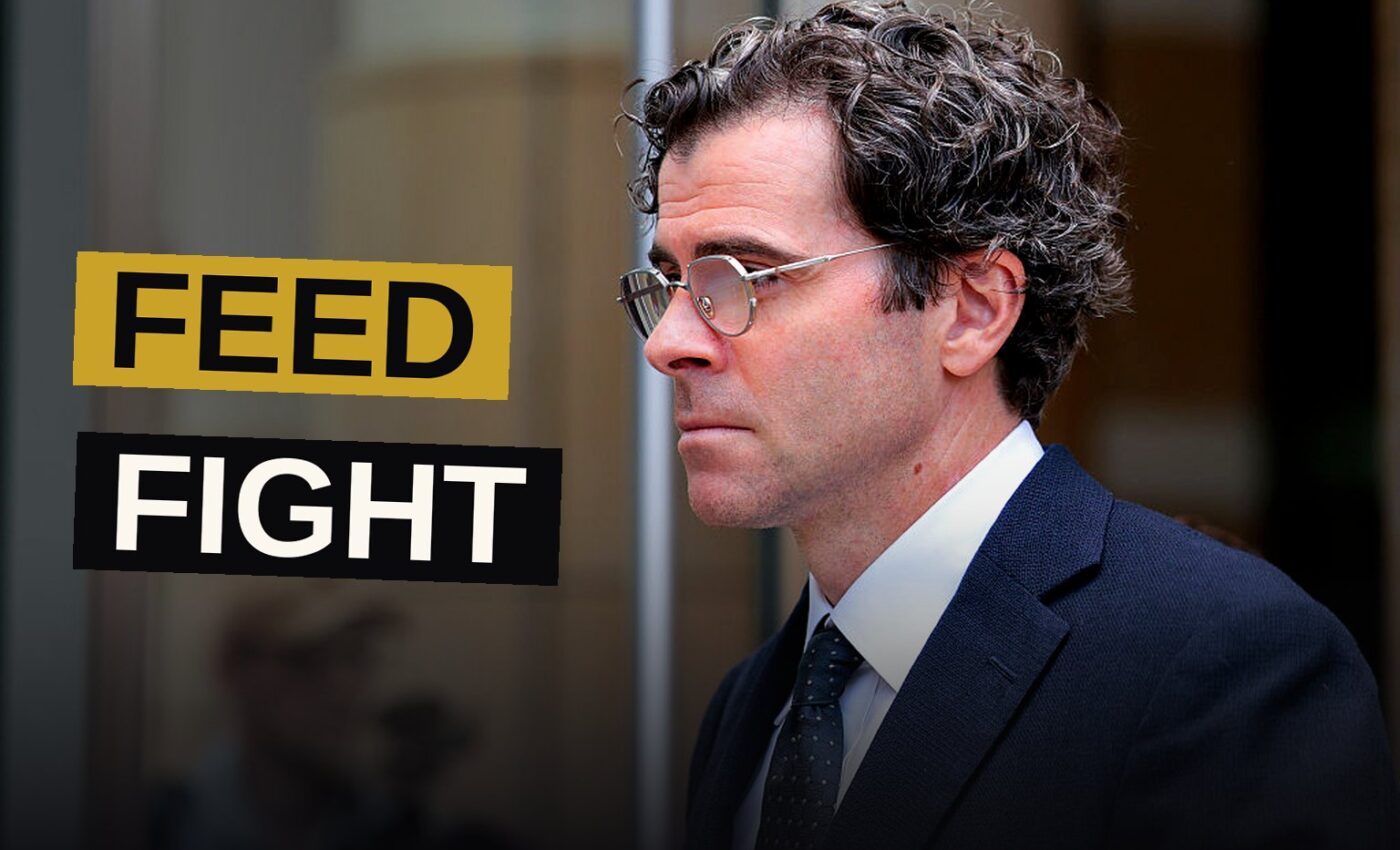
Australia’s government wants users to be able to choose whether they see a recommendation feed or a reverse-chronological feed on Instagram. Instagram’s boss thinks that would make the platform very sad.
Adam Mosseri, the head of Instagram, told journalists that only a “very vocal minority” of people want social media to go back to reverse-chronological feeds. He argued that users switching to that kind of feed would be “overwhelmed” with content from brands, because “it turns out your friends post a lot less than creators, who post a lot less than brands and companies.”
The comments come after Australia’s proposed social media legislation would give users the freedom to choose whether they want to continue using platforms’ standard recommendation-driven/discover feeds, or switch to a reverse-chronological feed that will only show them posts from people they follow.
Mosseri’s Warning
Mosseri did not directly say his comments were a response to Australia’s proposed legislation. But the timing is notable. His remarks address precisely the trade-offs the bill is designed to resolve.
Mosseri also warned that non-recommendation feeds cause people to “become a bit less interested in the experience and they use it a lot less, which then means there’s less reach to go around and people start to get more and more mad about the fact that their reach is going down because the overall pie gets smaller.”
Less engagement and less reach mean less revenue for Meta-owned Instagram. That matters because recommendations are the engine driving traffic, engagement, time, and shareholder value.
The Feed Design Problem
Mosseri framed the issue as “interesting tension between what an individual might want and what happens when you actually explode that to the entire community.” He offered a solution that puts more work on the user: Instagram is planning to let users talk to a LLM chatbot to curate their feeds.
The company has already added basic features, letting users opt out of seeing specific topics in their recommended feed. But the chatbot approach is a shift toward asking users to manage their own curation rather than having the algorithm do it.
“This is sensible, pragmatic, practical reform,” Prime Minister Anthony Albanese said about the proposed algorithm legislation. “It gives users choice and it will hold the big tech companies responsible for inaction if they don’t follow our laws.”
What the Law Actually Says
The Australian proposal does not just require a reverse-chronological feed. It requires a feed where users only see posts from people/accounts they follow. Mosseri did not directly address that specific design constraint in his remarks.
He could have been referring to ads interwoven between posts, which is another matter entirely. But the core argument remains: if users stop getting recommendations, they lose the curated stream that currently surfaces content from creators and brands.
The EU Precedent
Australia is not the first place to try this. The European Union already has a similar law on the books.
In 2024, the EU implemented the Digital Services Act, which also requires platforms to let users switch to a non-recommended feed. As Reuters notes, the Act’s rollout was notoriously difficult, and regulators complained that platforms weren’t making it easy enough for users to opt out.
The pattern is familiar. Platforms resist giving users control over their feeds, and when they do comply, they often make the process cumbersome.
What Happens Next
Mosseri’s comments are unlikely to sway Australian lawmakers. Albanese has framed the legislation as commonsense reform, and the government appears committed to holding big tech companies accountable.
For big tech-owned platforms, recommendations are the lifeblood pumping more and more content into users’ eyeballs. The question is whether users want that lifeblood.
The answer, according to Mosseri, is that only a vocal minority does. But the legislation asks a different question: should users have the choice?
Mosseri’s warning about overwhelm and diminishing reach is not without merit. But it also reflects a structural conflict. Instagram makes money when users engage with posts, and engagement depends on the algorithm doing the work.
The Australian law, if passed, would force a change. Users could opt out of the recommendation feed entirely, seeing only content from people they follow.
Mosseri’s prediction is that users who do that will become less engaged, which will reduce reach, which will make users angry. It is a closed loop, and the loop closes on Instagram’s business model.
The chatbot approach offers a softer alternative. Instead of forcing users to abandon recommendations entirely, it lets them shape their own feed. But it still shifts responsibility onto the user.
Whether Australian lawmakers will accept that compromise is unclear. The precedent from the EU suggests that even when platforms are legally required to offer a choice, they often find ways to make it difficult.
The irony is that Instagram would be very sad if users could choose what content they see. But the legislation is about more than Instagram’s feelings. It is about whether users get to decide how they consume information online.
Mosseri’s comments are unlikely to change the outcome. The government has framed the law as sensible, pragmatic, and practical. And the EU’s experience suggests that even when platforms comply, the rollout can be rocky.
For now, the fight is on. Instagram is making its case. Australia is pushing ahead. And the rest of the world is watching to see how this particular experiment plays out.
Source: tubefilter.com
Get the Notebook.
The day's best stories and every fresh verdict, in plain English, in your inbox by seven. One email a day, no more.