
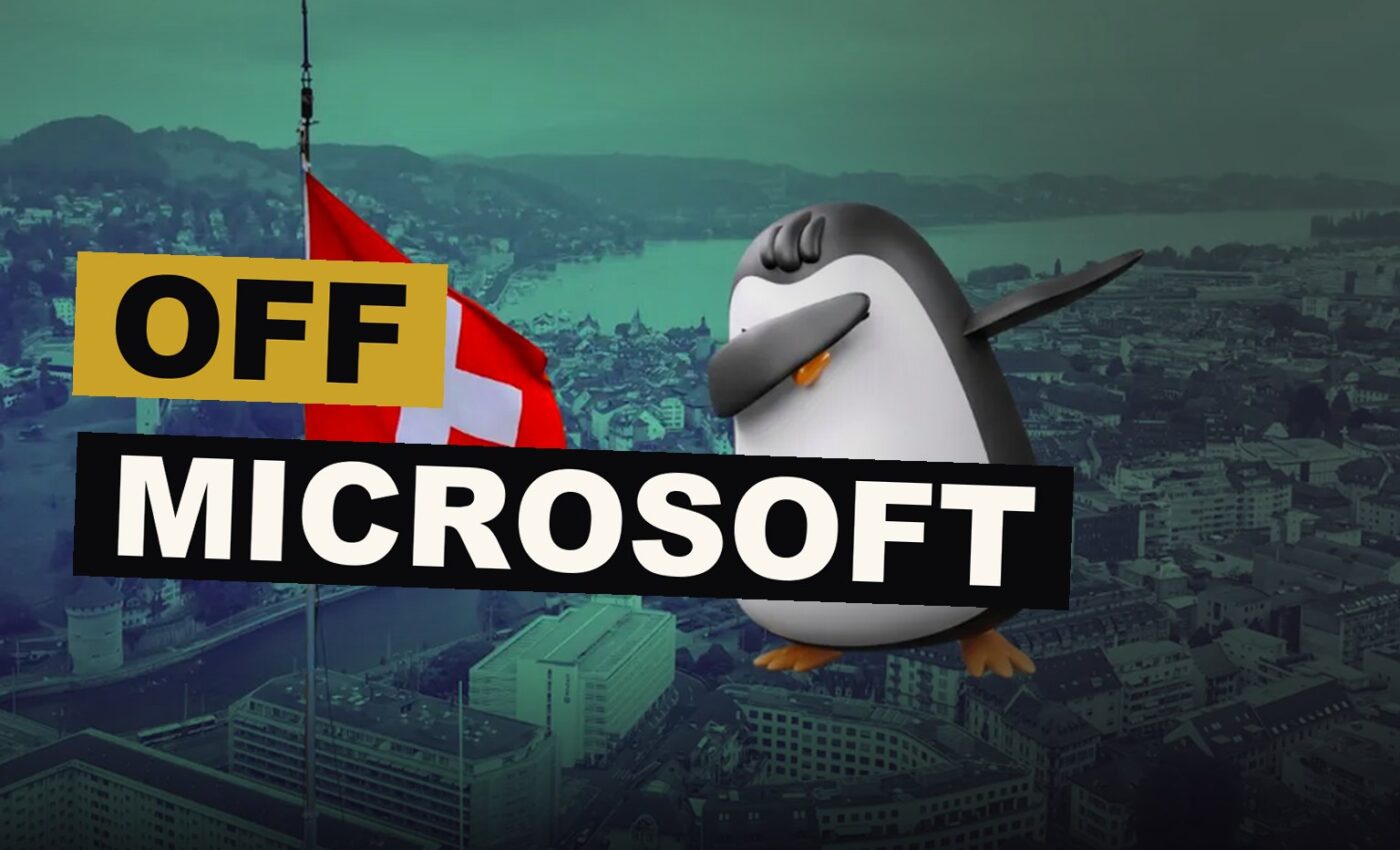
The move affects 3,000 computers, about 7% of the federal workforce, and it moves them from Microsoft 365 to open source tools, according to RTS.
Inside the Pilot
The Federal Chancellery is putting CHF 9 million toward this plan for 3,000 federal employees. A German collaboration platform will run side by side with Microsoft 365 for now, not take its place all at once. The goal is to finish the move by the end of 2027.
The Test That Came Before
On September 3, 2026, the Federal Council published results from a trial testing whether the switch could work. It tested the German platform on 172 federal employees. Writing tasks and email got positive marks. Big video calls with many people still showed technical limits.
The 3,000-employee pilot builds directly on that trial.
By The Numbers
- 3,000 computers included in the pilot — about 7% of the federal workforce
- CHF 9 million committed by the Federal Chancellery
- 172 employees took part in the trial
- Trial results published September 3, 2026
- Goal for finishing the pilot: end of 2027
- 54,000 total computers across the federal administration
- Swiss Cyber Command aims to move fully off Microsoft 365 by October 2026
- CHF 325 million: Microsoft’s separate money to grow its AI and cloud setup in Switzerland
Why Officials Want Off Microsoft
Matthias Stürmer, a professor at Bern University of Applied Sciences (BFH), points to three problems behind the change. First, US law could let foreign authorities reach Swiss government data stored in American cloud systems. Second, relying on one foreign supplier creates risk to keeping services running well. Third, licensing costs from that supplier keep rising, and Switzerland has no leverage to push back.
The Military Moves Faster
Switzerland’s Cyber Command isn’t waiting on how the pilot for other employees turns out. The team is already on track to move fully off Microsoft 365 and to the German platform by October 2026. The reasoning matches the wider push: keep foreign governments away from sensitive Swiss data.
The Law Behind The Push
A law passed in 2024 requires federal agencies to put out government software as open source by rule, not exception. It’s meant to build independence from single suppliers and encourage agencies to work together across the public administration. In December 2025, the Federal Council named that kind of independence a main focus for the years ahead. The Council describes it as the federal government’s ability to carry out its core work without depending on one outside supplier or country.
Neighboring France and Germany have pushed similar changes away from single American software suppliers. Microsoft, meanwhile, is putting over CHF 325 million into growing its AI and cloud setup in Switzerland, a move that looks aimed at easing exactly these concerns among Swiss officials.
Timeline
| Date | Event |
|---|---|
| 2024 | A federal law takes effect, requiring agencies to put out government software as open source by rule |
| December 2025 | Federal Council names this kind of independence a main focus |
| September 3, 2026 | Federal Council publishes the trial results (172 employees) |
| October 2026 | Cyber Command goal for a full move to the German platform |
| End of 2027 | Goal for finishing the 3,000-computer pilot |
Whether this reaches all 54,000 federal computers depends on how the current pilot goes. For now, both the pilot for other employees and the Cyber Command effort are running side by side, testing whether Switzerland can cut its reliance on Microsoft while keeping the daily work of federal agencies moving.
Source: itsfoss.com
Get the Notebook.
The day's best stories and every fresh verdict, in plain English, in your inbox by seven. One email a day, no more.