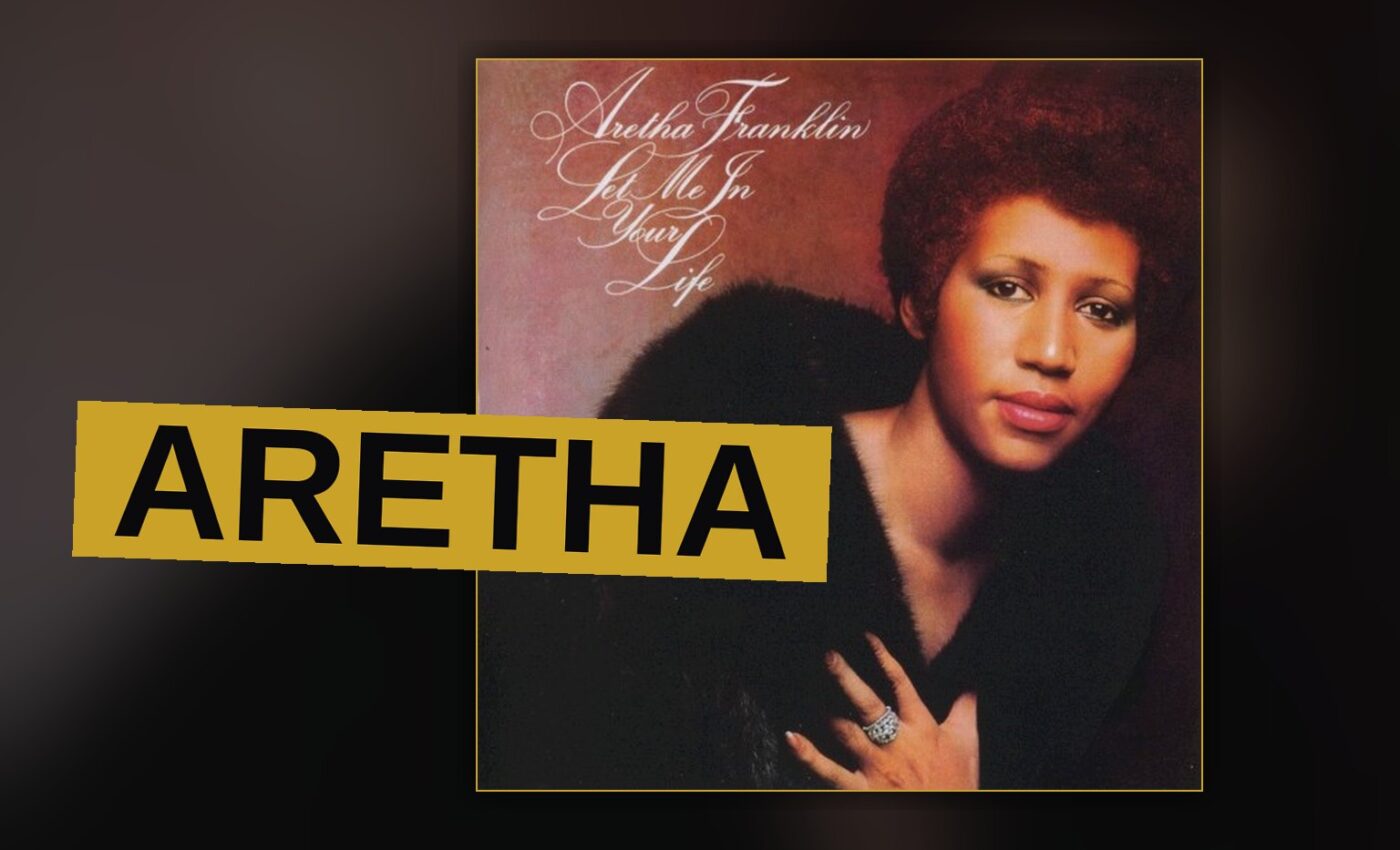
Aretha Franklin’s Let Me in Your Life is a record built to sit beside her biggest hits, and mostly it does. Eleven tracks, forty-three minutes, and a running order that treats the album as a bridge between her early-’70s soul work and the heavier production style that followed. This is MOR at its most polished, with strings that crowd the mix and a focus on ballads over the fire that made her famous. The goal is simple: make a record that sounds current without losing the voice that carried her this far.
It does not fully succeed. Franklin’s control remains the strongest element here, but the arrangements often bury her underneath a wall of sound. That tension defines the whole album, and it explains why some of the best moments arrive when the band steps back and lets her sing alone.
Opening With the Title Track
The title track, “Let Me in Your Life,” sets the tone immediately. It is a plea dressed as a love song, and Franklin sells it with a delivery that feels urgent even when the arrangement stays smooth. It is one of the few tracks here where the production and the performance move together rather than against each other.
“Every Natural Thing” follows at 2:37, a brief interlude that leans on acoustic textures and a lighter touch. It works as a palate cleanser, but it does not demand attention.
The Run of Ballads
“Ain’t Nothing Like the Real Thing” is the standout of the middle stretch. Franklin turns a familiar melody into a statement of intent, and the arrangement gives her room to land lines with real weight. It is the clearest example of the album’s strengths in balance: the strings support rather than overwhelm.
“I’m in Love” is a different matter. The strings are heavier here, and the vocal gets buried beneath them. Franklin is still the engine, but the song itself gets lost in the haze.
“Until You Come Back to Me (That’s What I’m Gonna Do)” is the album’s emotional peak. Franklin sings about waiting and commitment with a sincerity that cuts through the production, and the arrangement, while busy, does not drown her. It is the best track on the record, and it earns its place.
“The Masquerade Is Over” closes the run of ballads with a slow-burning piano-led piece. The strings are present but less dominant, and Franklin’s phrasing carries the song on its own terms. It is a strong closer for this sequence, even if it does not match the high point before it.
The Long Middle
“With Pen in Hand” runs 5:08, the longest track on the record. It is a quiet, reflective piece that asks for patience, and the production, despite its length, does not reward it. The song drags without delivering anything new.
“Oh Baby” follows at 5:00 and shares the same problem. The arrangement piles on texture without adding meaning, and Franklin’s vocal, while capable, never quite escapes the clutter around it.
“Eight Days on the Road” is a slight relief at 3:04. It is a straightforward, mid-tempo rocker with a clear structure, and the production keeps things relatively clean. It is not a highlight, but it is a welcome change of pace after the ballad stretch.
“If You Don’t Think” returns to the ballad form, and the strings return with full force. The arrangement is dense, and Franklin’s voice struggles to break through. It is a competent track, not a memorable one.
Closing With the Strongest Statement
“A Song for You” closes the album at 5:33, and it is the strongest closer here. The strings step back, and Franklin delivers a vocal that matches the emotion of the lyric. It is a reminder of what the album could have been throughout.
The Verdict on the Arrangements
The production team here treats the vocal as just another band on a sixteen-track tape. They sometimes prefer unobtrusive singing that highlights their production effects rather than strong personal singing that might deflect attention from it. That approach works in spots — “Ain’t Nothing Like the Real Thing,” “Until You Come Back to Me,” “The Masquerade Is Over” — but it fails in most of the album’s middle stretch.
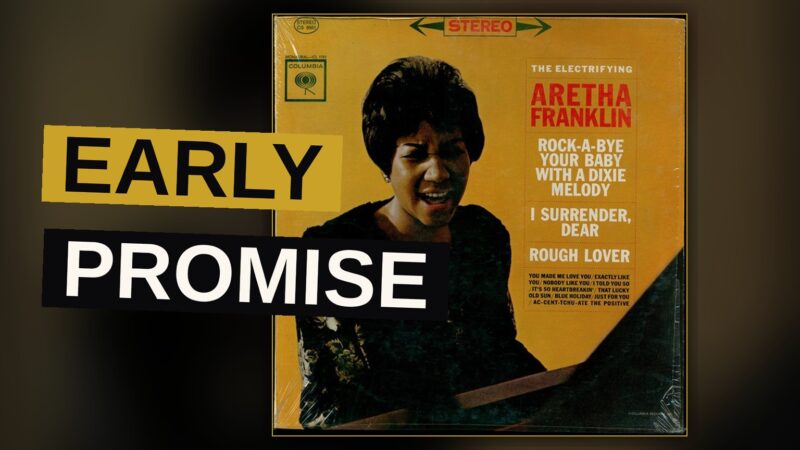
Franklin has had a checkered career at the label, sounding best when she has had the most to personally contribute. That pattern holds here: the tracks where she drives the song win, and the tracks where the band drives the mix lose.
Key Facts
- Artist: Aretha Franklin
- Album: Let Me in Your Life
- Year: 1974
- Tracks: 11
- Total running time: 43 minutes
- AllMusic score: 6/5
Track List
| # | Track | Length |
|---|---|---|
| 1 | Let Me in Your Life | 3:31 |
| 2 | Every Natural Thing | 2:37 |
| 3 | Ain’t Nothing Like the Real Thing | 3:50 |
| 4 | I’m in Love | 2:51 |
| 5 | Until You Come Back to Me (That’s What I’m Gonna Do) | 3:28 |
| 6 | The Masquerade Is Over | 4:32 |
| 7 | With Pen in Hand | 5:08 |
| 8 | Oh Baby | 5:00 |
| 9 | Eight Days on the Road | 3:04 |
| 10 | If You Don’t Think | 3:54 |
| 11 | A Song for You | 5:33 |
Ain’t Nothing Like the Real Thing, Until You Come Back to Me, The Masquerade Is Over, and A Song for You are the tracks worth hearing. The rest is competent filler that does not need to exist.
This is a record that captures a moment in Franklin’s career, one where the label’s push toward MOR production met a singer who could still deliver when the arrangements let her. The result is uneven, but the highs are high enough to justify the listen.
- Let Me in Your Life3:31
- Every Natural Thing2:37
- Ain’t Nothing Like the Real Thing3:50
- I’m in Love2:51
- Until You Come Back to Me (That’s What I’m Gonna Do)3:28
- The Masquerade Is Over4:32
- With Pen in Hand5:08
- Oh Baby5:00
- Eight Days on the Road3:04
- If You Don’t Think3:54
- A Song for You5:33