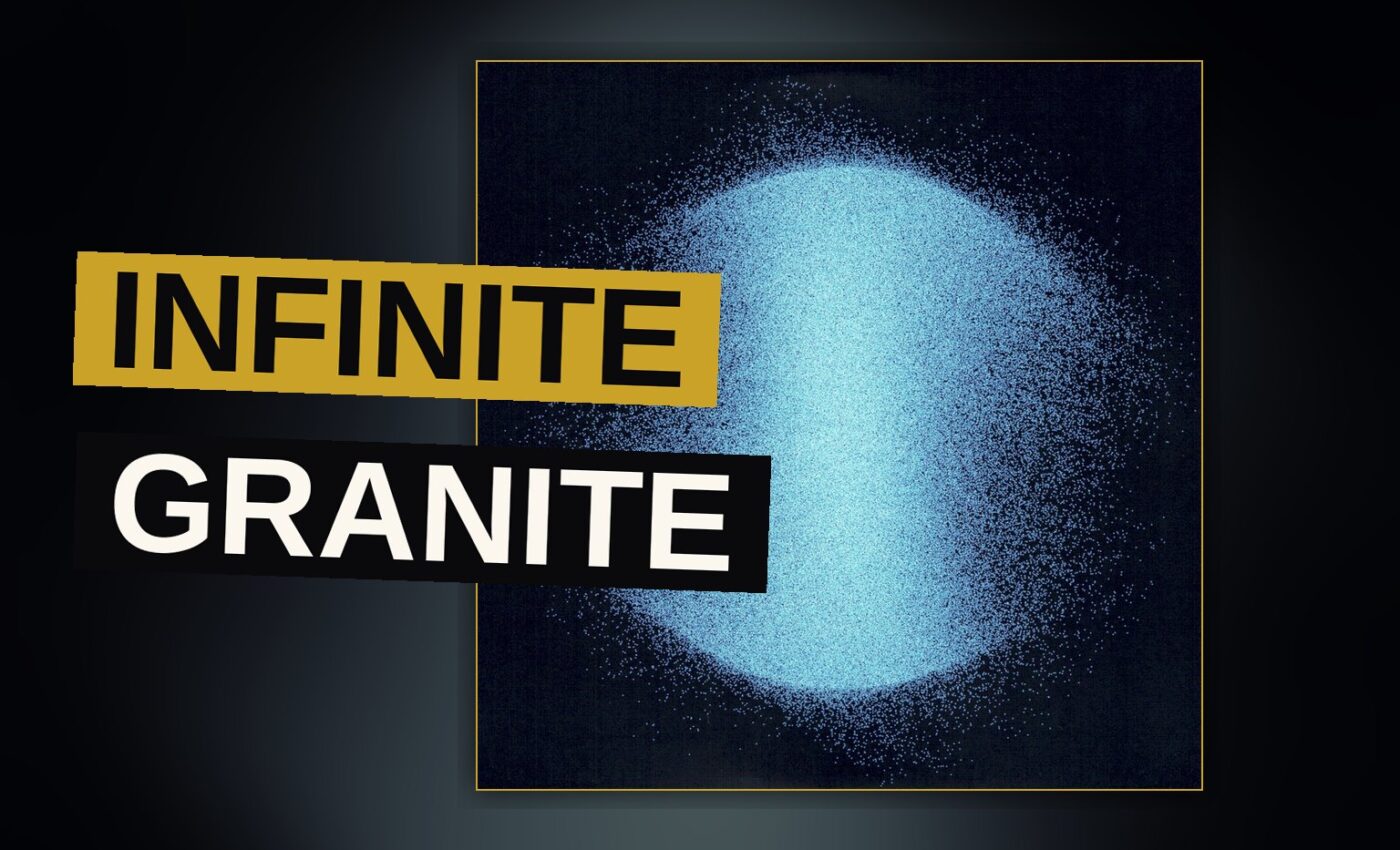
Deafheaven’s Infinite Granite is a record about letting go of rage and finding peace in sound. The band’s third full-length, released in 2021, is a deliberate step away from the black metal fury that defined their early work. Instead, they lean into shoegaze and dream pop, building a wall of noise that is warm, enveloping, and almost entirely free of aggression. The result is their most emotionally restrained record, and it is also their most cohesive statement of intent.
The album runs nine tracks and 53 minutes, and it plays like a single continuous meditation. There is no room for filler, no wasted moments. Every song serves the central thesis: that beauty can be dark, and darkness can be beautiful. The record is not trying to win back fans who miss the screaming. It is trying to hold their attention with something new, and it mostly succeeds.
Shellstar Opens the Record
“Shellstar” sets the tone immediately. It starts with a gentle acoustic guitar line and a soft vocal melody, then slowly builds into a wall of distorted guitars. The contrast is jarring, but it works. The track is about protection, both physical and emotional, and the music mirrors that idea — a fragile exterior giving way to something massive underneath.
The song is the album’s mission statement in miniature. It shows the band’s willingness to trust the listener with quiet, to let the music breathe before it crashes. It is a strong opener, and it announces that this is not the same Deafheaven.
In Blur and Great Mass of Color
“In Blur” follows with a more immediate rush. The guitars are fuzzier, the rhythm section is looser, and the vocals sit higher in the mix. It is a song about being lost, but it does not feel like a fall. The music carries a sense of wonder, even as the lyrics describe confusion and disorientation. The track is shorter than the opener, but it packs more energy into its three minutes.
“Great Mass of Color” slows things down again. This is the longest track on the album, and it is built around a single, shimmering riff that repeats over and over. The title is literal — the song is a wash of sound, a visual representation turned audible. It is the closest the record comes to pure atmosphere, and it is effective because it never overstays its welcome. The track ends with a slow fade, leaving the listener in silence.
Neptune Raining Diamonds and Lament for Wasps
“Neptune Raining Diamonds” is a palate cleanser. It is the shortest track on the record, and it feels like a breath of fresh air after the density of “Great Mass of Color.” The title suggests something celestial, but the song is actually about loss and grief. The lyrics are about death and memory, and the music is sparse and fragile. It is a small moment, but it is a necessary one.
“Lament for Wasps” is the emotional peak of the album. It is the longest track, and it earns that length through a slow build that reaches a cathartic climax. The song is about mourning, but it is also about resilience — the idea that even in grief, there is strength. The final minutes are the most intense the record gets, and they are powerful.
Villain and The Gnashing
“Villain” is a curveball. It is a poppy, almost danceable track, complete with a bassline that could belong on a Top 40 radio station. The song is about self-loathing and the difficulty of forgiving oneself. The contrast between the upbeat rhythm and the lyrical content is sharp, but it is not a joke. The band is taking the genre of dream pop seriously, and the result is a track that feels both light and heavy at the same time.
“The Gnashing” is the other outlier. It is a brutal, aggressive track that sounds like the old Deafheaven. The guitars are fast and sharp, the drums are pounding, and the vocals are harsh. It is a reminder that the band has not abandoned their roots completely. But it is also a warning — this is the only track that reaches for the old intensity, and it is the shortest one on the album.
Other Language and Mombasa
“Other Language” is a return to the dream pop template. It is a slow, atmospheric track that deals with communication and understanding. The lyrics are about the barriers between people, and the music is about breaking them down. It is a thoughtful, patient song, and it rewards repeated listens.
“Mombasa” closes the record. It is the longest track, and it is a slow, sprawling epic that feels like a final statement. The song is about the passage of time and the inevitability of change. The music is lush and expansive, and it builds to a climax that feels both triumphant and sad. It is a fitting end to an album that has spent its runtime exploring the tension between hope and despair.
What the Critics Heard
The critical response to Infinite Granite was largely positive. The album holds a Metacritic score of 82 out of 100, which places it in the upper tier of the band’s discography. Pitchfork gave the record a lower score of 6.5 out of 10, but that review was written from a position of skepticism about the shift in direction. The broader consensus praised the dream-pop atmosphere and the emotional restraint, even while acknowledging that the record is less intense than the band’s earlier work.
AllMusic described the album as “decidedly closer to a dream pop record than something likely to receive airplay on mainstream rock stations, and there’s still a dark undercurrent to its autumnal mood.” That captures the essence of the record — it is beautiful, but it is not saccharine. The Guardian went further, calling it “a great, great album, one that exists entirely on its creators’ terms.” That is the highest praise the band could ask for.
The Verdict
Infinite Granite is a brave record. It takes a risk by abandoning the aggression that made the band famous, and it pays off. The album is not perfect — the middle tracks are a bit uneven, and the pop lean of “Villain” feels slightly out of place — but the overall vision is coherent and compelling. The record is a meditation on beauty, grief, and the human experience, and it is carried by some of the best writing the band has ever produced.
The songs that work best are the ones that commit fully to the dream-pop aesthetic. “Shellstar,” “Lament for Wasps,” and “Mombasa” are the highlights, and they justify the entire experiment. The songs that stumble are the ones that try to split the difference between the old style and the new. “In Blur” and “Great Mass of Color” are competent but unremarkable, and they feel like transitional tracks rather than essential ones.
The album is a step forward for Deafheaven. It is a record that shows growth, confidence, and a willingness to evolve. It is not a black metal album, and it does not pretend to be one. It is a dream-pop album with teeth, and it is one of the best records the band has made.
| Track | Length |
|---|---|
| Shellstar | 6:06 |
| In Blur | 5:30 |
| Great Mass of Color | 6:00 |
| Neptune Raining Diamonds | 3:06 |
| Lament for Wasps | 7:09 |
| Villain | 5:42 |
| The Gnashing | 5:34 |
| Other Language | 6:11 |
| Mombasa | 8:18 |
Infinite Granite is a great album. It is a record that exists entirely on its creators’ terms, and it succeeds on those terms. It is not a masterpiece, but it is a strong one. It is a record that rewards patience and repetition, and it is a record that will be discussed for years to come. The score is 82 out of 100.
- Shellstar6:06
- In Blur5:30
- Great Mass of Color6:00
- Neptune Raining Diamonds3:06
- Lament for Wasps7:09
- Villain5:42
- The Gnashing5:34
- Other Language6:11
- Mombasa8:18