
Two papers argue losing a cell’s sense of self is the engine behind human aging
Two papers propose aging stems from cells losing their identity rather than accumulating damage, a fresh model for understanding senescence.

Two papers propose aging stems from cells losing their identity rather than accumulating damage, a fresh model for understanding senescence.

A journal's special issue on women's health reveals gaps in pain, aging, and menopause research — a snapshot of where science stands and where it needs to go.

A protein records a fly's larval diet, carrying that memory into adulthood and shaping how long that fly lives.

A doctor debunks common myths about bone health on TV, addressing what bones are made of and what keeps them strong.

A new study finds that transplanted young hearts quickly adopt the biological age of their recipients, not the other way around.

Scientists restored a brain protein called Menin in mice and reversed aging signs like bone loss and cognitive decline.
New research suggests caffeine activates an ancient cellular energy system tied to aging, stress resistance, and DNA repair — find out what it means.
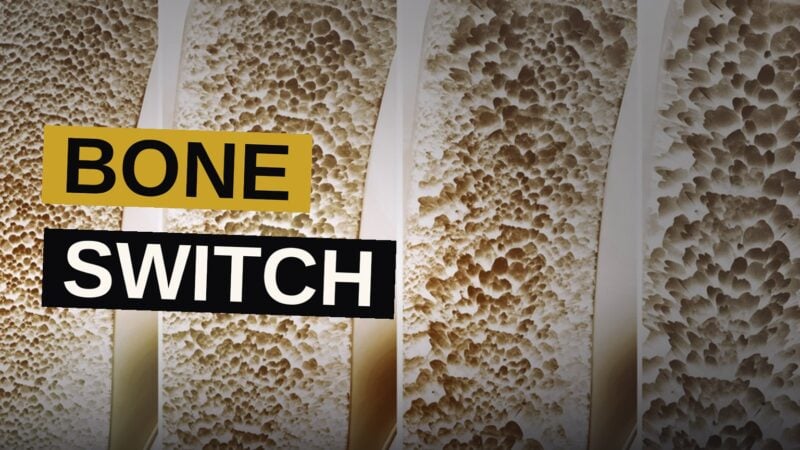
German scientists found a receptor, GPR133, that strengthens bones and muscle in mice — a possible new path to treating osteoporosis.

At ninety and one, this quondam broker of insurance, now a publisher of shelter, rides still upon his board, a marvel of vigor and life.
As an Amazon Associate, Clay Tribune earns from qualifying purchases.