Album Reviews4/10
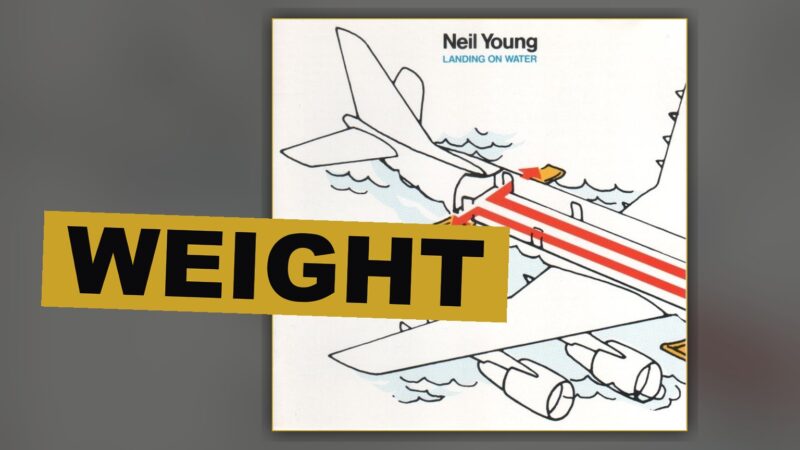
Landing on Water: Neil Young’s Machines Cover the Writing
A look at Neil Young's 1986 Landing on Water, where heavy production covers the writing beneath its own weight.

A look at Neil Young's 1986 Landing on Water, where heavy production covers the writing beneath its own weight.
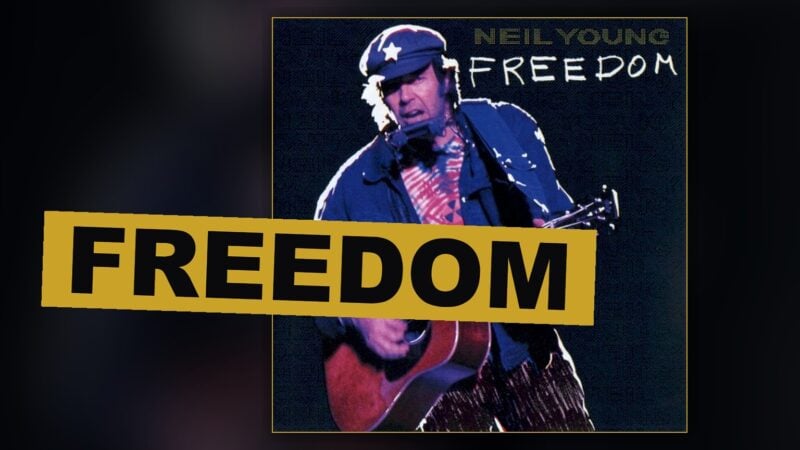
Neil Young's Freedom opens soft and ends loud with Rockin' in the Free World, a record that holds every side of his sound together.
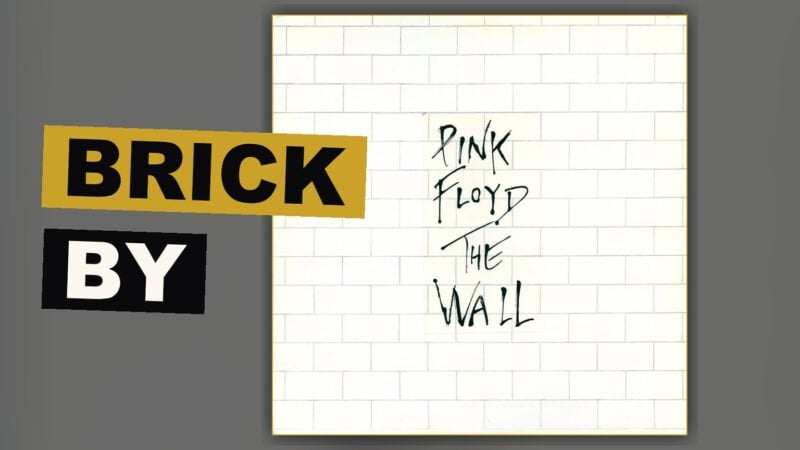
A look back at Pink Floyd's The Wall, a sad tale of a man's solitude, wall raised stone upon stone through spirit and sound.
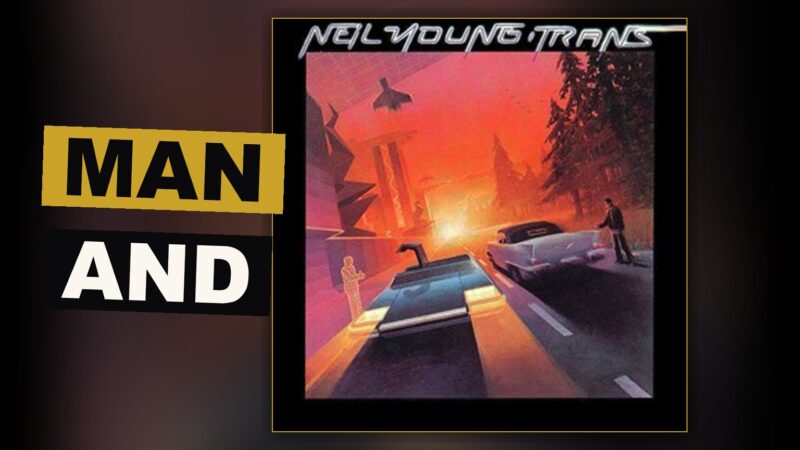
A voice made distant by machines: Neil Young's Trans weighs feeling against synthesizer and voice box, a strange record time has judged kindly.

A single day in Compton becomes a full story across fifteen tracks, a good kid moving through a mad city without losing the fire.
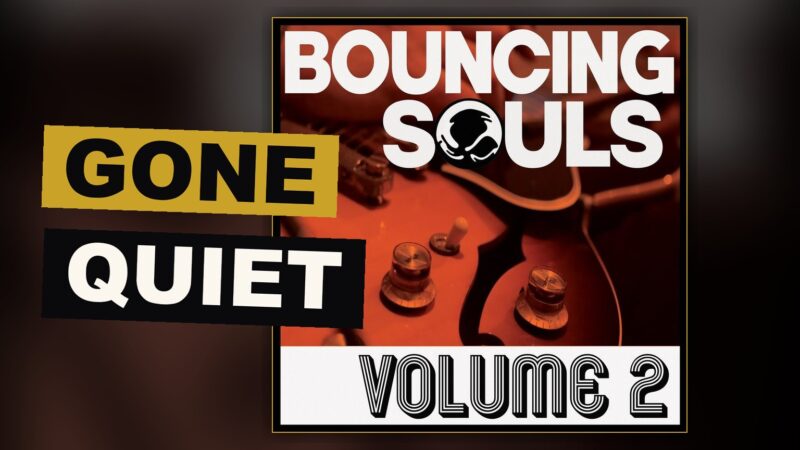
Volume 2 gives quiet, gentle new life to old Bouncing Souls songs — a calm look back rather than a bold new work.
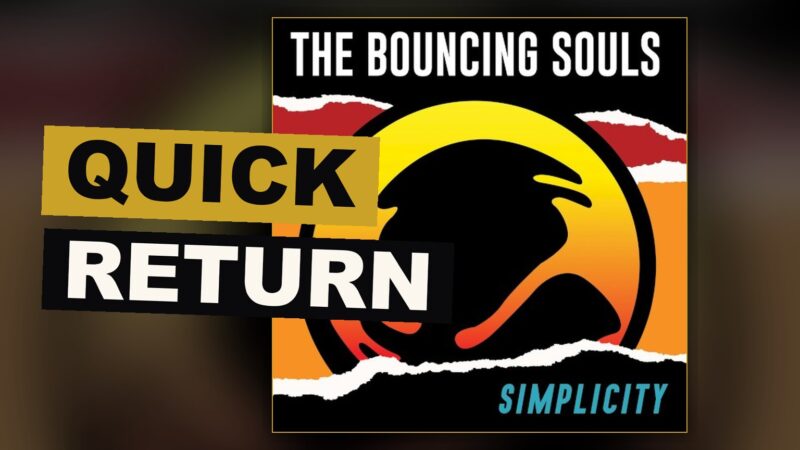
The Bouncing Souls return to quick, short songs on their new record, a swift turn back to what once made them work.
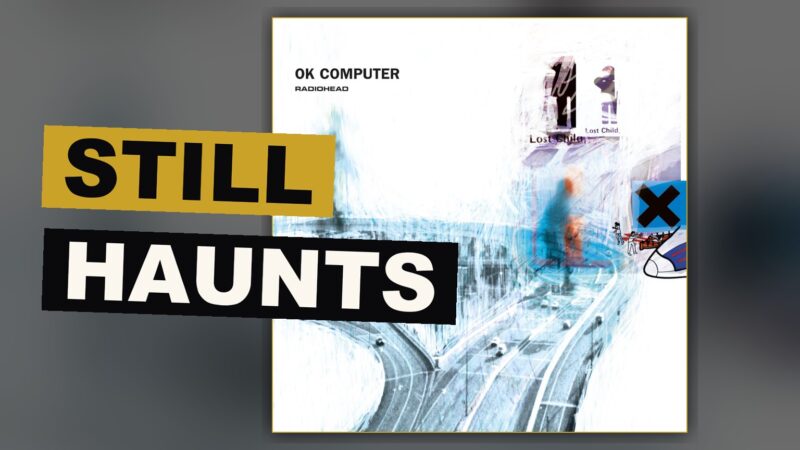
A strange dread wrapped in melody: OK Computer, revisited track by track, ranked among the great records of its time.
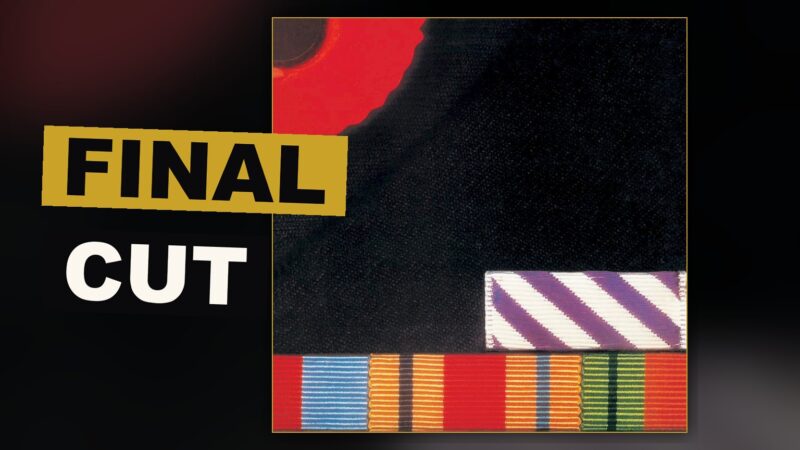
A grim, deliberate record of grief and war, from its opening dream of peace to its final dread of fire — a solemn, uncommon work.
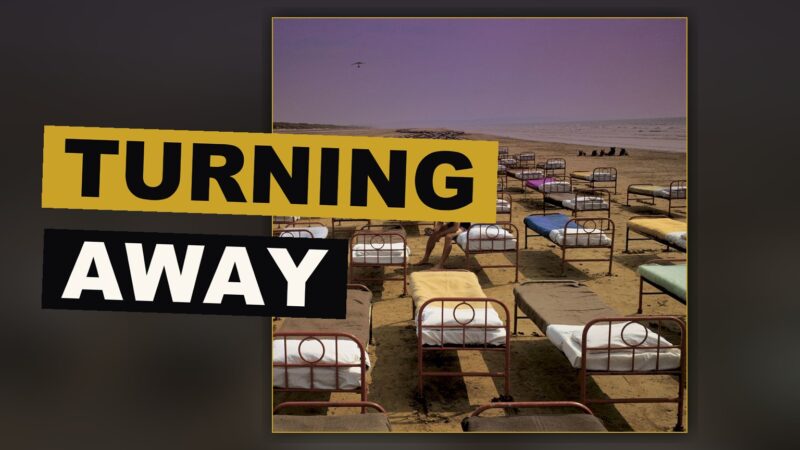
Pink Floyd's 1987 record, made without its former chief writer, depends on guitar and mood. A track by track look at what still works.
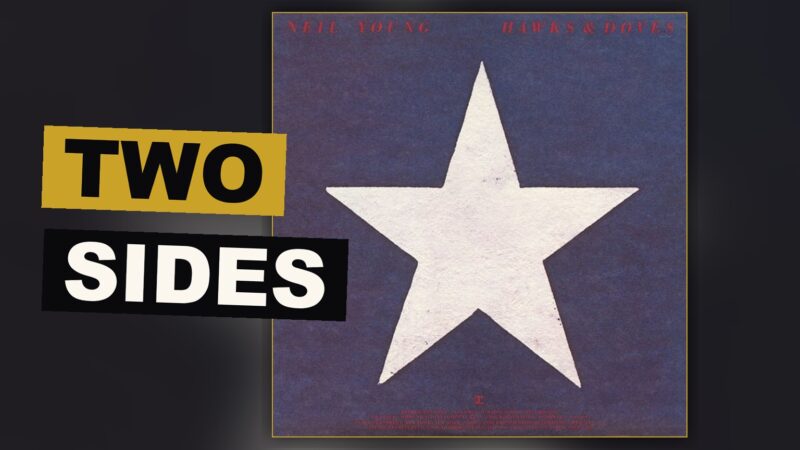
A record split in two: quiet old songs on one side, quick country songs on the other. Nine tracks, thirty minutes, no true settling.
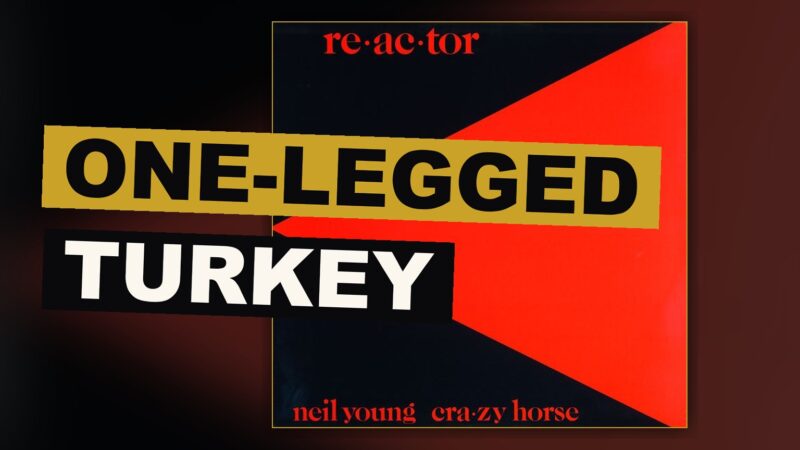
A forceful record: Neil Young and Crazy Horse chase noise and repetition on Re·ac·tor, a small, rough turn in a long career.
As an Amazon Associate, Clay Tribune earns from qualifying purchases.