
Who should earn your vote: Congress 2026, race by race
| Race | The field | Our mark |
|---|---|---|
| Georgia | Jon Ossoff vs Mike Collins | ✓ Mike Collins |
| Michigan | Abdul El-Sayed vs Mike Rogers | No endorsement |
| North Carolina | Roy Cooper vs Michael Whatley | No endorsement |
| Maine | Susan Collins vs Troy Jackson | No endorsement |
| New Hampshire | Chris Pappas vs John E. Sununu | No endorsement |
| Ohio (special election) | Jon Husted vs Sherrod Brown | ✓ Sherrod Brown |
| Texas | Ken Paxton vs James Talarico | ✓ Ken Paxton |
| Iowa | Ashley Hinson vs Josh Turek | ✓ Josh Turek |
| Alaska | Dan Sullivan vs Mary Peltola | ✓ Mary Peltola |
| Nebraska | Pete Ricketts vs Dan Osborn | ✓ Dan Osborn |
| Minnesota | Peggy Flanagan vs Michele Tafoya | No endorsement |
| Kansas | Roger Marshall vs Adam Hamilton | Closer to our standards: Roger Marshall |
| Florida (special election) | Ashley Moody vs Angie Nixon | Closer to our standards: Ashley Moody |
| South Carolina | Darline Graham vs Annie Andrews | Closer to our standards: Annie Andrews |
Find your state
- Alabama 8 races
- Alaska 2 races
- Arizona 9 races
- Arkansas 5 races
- California 52 races
- Colorado 9 races
- Connecticut 5 races
- Delaware 2 races
- Florida 29 races
- Georgia 15 races
- Hawaii 2 races
- Idaho 3 races
- Illinois 18 races
- Indiana 9 races
- Iowa 5 races
- Kansas 5 races
- Kentucky 7 races
- Louisiana 7 races
- Maine 3 races
- Maryland 8 races
- Massachusetts 10 races
- Michigan 14 races
- Minnesota 9 races
- Mississippi 5 races
- Missouri 8 races
- Montana 3 races
- Nebraska 4 races
- Nevada 4 races
- New Hampshire 3 races
- New Jersey 13 races
- New Mexico 4 races
- New York 26 races
- North Carolina 15 races
- North Dakota 1 race
- Ohio 16 races
- Oklahoma 6 races
- Oregon 7 races
- Pennsylvania 17 races
- Rhode Island 3 races
- South Carolina 8 races
- South Dakota 2 races
- Tennessee 10 races
- Texas 39 races
- Utah 4 races
- Vermont 1 race
- Virginia 12 races
- Washington 10 races
- West Virginia 3 races
- Wisconsin 8 races
- Wyoming 2 races
Georgia
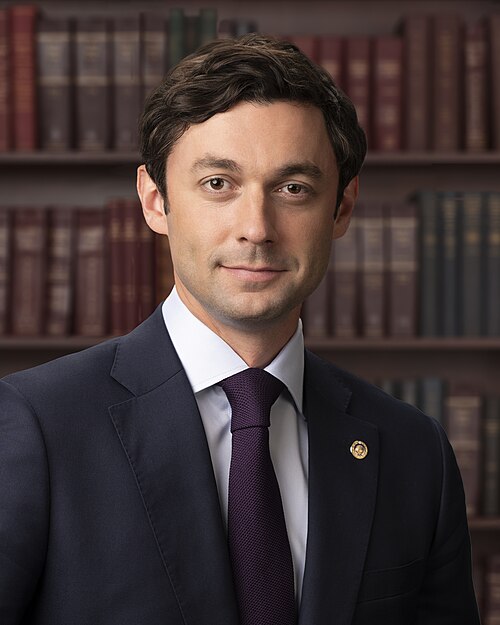
- ✗Smaller government
- ~Small business over giants
- ✓Live and let live
- ✗Light touch on AI, wary of Big Tech
- ✗Free speech
- ✗No surveillance state
- ✓Home first, open trade
- ✓Checks on concentrated power
- ✗Right to bear arms
- ✓Hard on violent crime
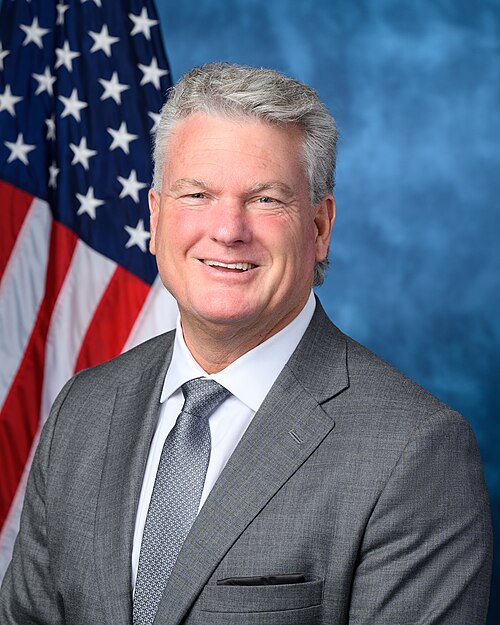
- ✓Smaller government
- ✓Small business over giants
- ?Live and let live
- ✓Light touch on AI, wary of Big Tech
- ~Free speech
- ✓No surveillance state
- ✗Home first, open trade
- ✗Checks on concentrated power
- ✓Right to bear arms
- ✓Hard on violent crime
Why Mike Collins earns the mark
- Voted against the 2023 debt-ceiling deal as too loose and for a balanced-budget amendment in 2026. Source 1 Source 2
- Voted for the warrant requirement on FISA Section 702 searches of Americans, and against reauthorizing 702 without it. Source
- One of 91 House members to vote against the Antisemitism Awareness Act, which civil-liberties groups opposed as a campus-speech restriction. Source
- Voted to overturn the ATF's pistol-brace rule, and is an original cosponsor of national concealed-carry reciprocity and the National Constitutional Carry Act. Source 1 Source 2 Source 3
- Voted for pretrial detention without bail for people charged with violent crimes in the District of Columbia, and to block the District's softer criminal code. Source 1 Source 2
- What counts against him: he defended the 2025 tariffs, voted to keep the Canada tariff emergency, and voted against the Iran and Venezuela war-powers resolutions. Source 1 Source 2 Source 3
Why Jon Ossoff did not
- Voted for the $1.9 trillion American Rescue Plan and the Inflation Reduction Act. Source 1 Source 2
- Voted against the warrant requirement for searching Americans' communications under Section 702, then voted to reauthorize it. Source 1 Source 2
- Called in September 2026 to rush federal inspectors into frontier AI labs, the heavy hand on technology we are against. Source
- Cosponsored the assault-weapons ban in 2021, 2023 and 2025 and voted for the 2022 law funding red-flag programs; his 2020 platform promised to end cash bail. Source 1 Source 2 Source 3 Source 4
- To his credit: he voted to end the tariff emergencies, voted to pull U.S. forces out of the Iran hostilities, and leads the bill to ban stock trading by members of Congress. Source 1 Source 2 Source 3
Michigan
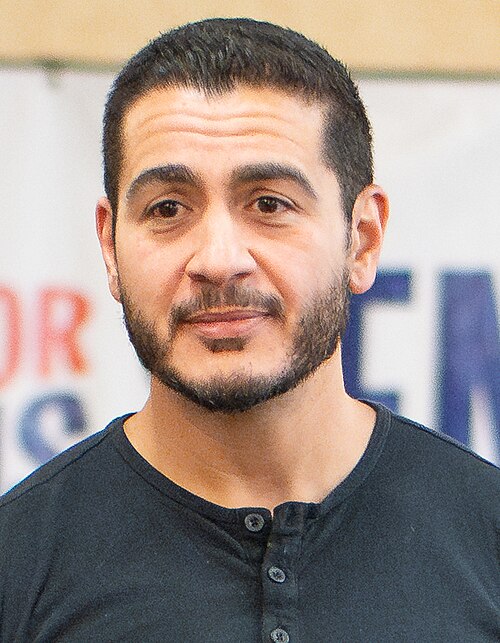
- ✗Smaller government
- ✓Small business over giants
- ✓Live and let live
- ✗Light touch on AI, wary of Big Tech
- ~Free speech
- ✓No surveillance state
- ✓Home first, open trade
- ~Checks on concentrated power
- ✗Right to bear arms
- ✗Hard on violent crime
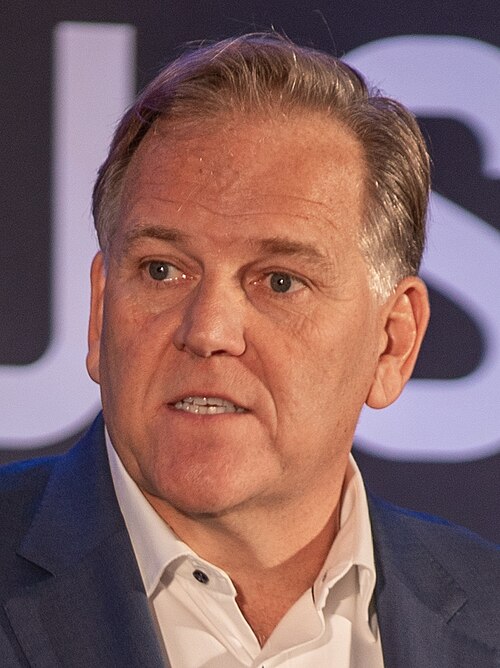
- ✓Smaller government
- ✗Small business over giants
- ✗Live and let live
- ~Light touch on AI, wary of Big Tech
- ~Free speech
- ✗No surveillance state
- ✗Home first, open trade
- ✗Checks on concentrated power
- ✓Right to bear arms
- ✓Hard on violent crime
Abdul El-Sayed: for and against
- Where he is against us: Medicare for All, a wealth tax, and a plan to regulate AI firms like utilities and move toward public ownership. Source 1 Source 2 Source 3
- To his credit: wants a Federal Trade Commission that enforces anti-monopoly law, and would force Google, Microsoft, Amazon and Meta to give up controlling stakes in frontier AI firms. Source 1 Source 2
- To his credit: backs diplomacy over military action on Iran and opposes blank-check military aid. Source
- To his credit: campaigns against the spread of automated license-plate readers. Source
- Pledged in 2018 to ban the sale and possession of "weapons of war", backed a red-flag law, and proposed repealing Michigan's truth-in-sentencing law. Source 1 Source 2 Source 3
- Said in 2020 "we need to defund the police", meaning money moved from incarceration to education; he now says he never called for defunding. Source 1 Source 2
Mike Rogers: for and against
- As House Intelligence chairman he voted against the Amash-Conyers amendment to end the NSA's bulk collection of Americans' phone records, and earlier for the Patriot Act and the 2008 law that created Section 702. Source 1 Source 2
- Voted twice for a constitutional amendment banning same-sex marriage and against letting states run their own medical-marijuana programs. Source 1 Source 2
- Voted for the 2008 auto-industry rescue and to reauthorize the Export-Import Bank; voted for the Iraq war and, in 2026, supports the war with Iran. Source 1 Source 2 Source 3 Source 4
- To his credit: he voted against the TARP bank bailout and for the 2011 spending caps. Source 1 Source 2
- To his credit on our two newest standards: he voted for national carry reciprocity and to repeal the District of Columbia's handgun ban, and for truth-in-sentencing and mandatory minimums for violent gang crimes. Source 1 Source 2 Source 3 Source 4
North Carolina
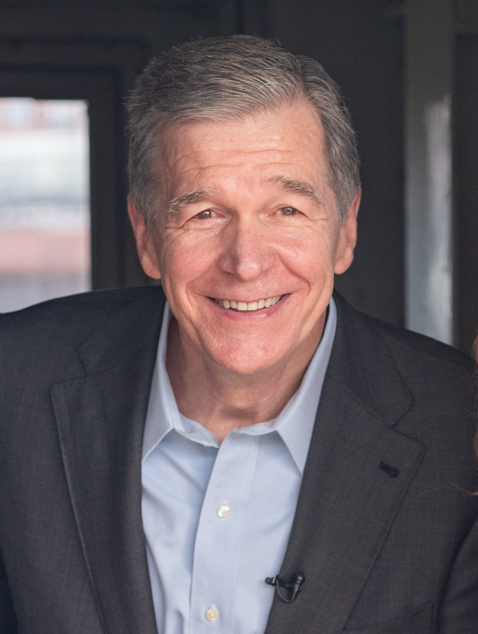
- ✗Smaller government
- ✗Small business over giants
- ✓Live and let live
- ~Light touch on AI, wary of Big Tech
- ✓Free speech
- ?No surveillance state
- ✓Home first, open trade
- ✗Checks on concentrated power
- ✗Right to bear arms
- ~Hard on violent crime
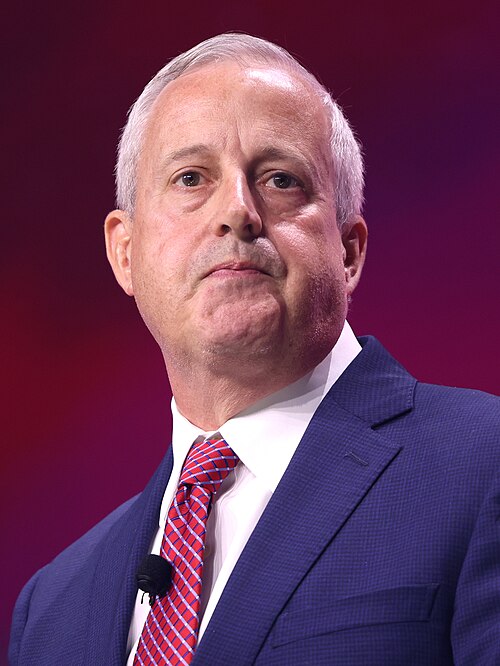
- ✓Smaller government
- ~Small business over giants
- ✗Live and let live
- ~Light touch on AI, wary of Big Tech
- ?Free speech
- ?No surveillance state
- ✗Home first, open trade
- ✗Checks on concentrated power
- ✓Right to bear arms
- ✓Hard on violent crime
Roy Cooper: for and against
- Vetoed the Emergency Powers Accountability Act, which would have required other elected officials to sign off on a governor's long emergencies. Source
- Announced roughly $1.2 billion in incentives for VinFast and up to $845 million in tax benefits for Apple. Source 1 Source 2
- Vetoed the 2023 Regulatory Reform Act. Source
- To his credit: he calls the tariffs unlawful, says Congress should take back its trade authority, stopped defending the state's same-sex marriage ban in 2014, and vetoed a 2021 bill he said would chill peaceful protest. Source 1 Source 2 Source 3 Source 4
- Vetoed two bills repealing the state's pistol-purchase permit, and proposed a red-flag law and a purchase age of 21 for some rifles. Source 1 Source 2 Source 3
- His administration settled a 2021 lawsuit with an agreement that released about 3,500 state prisoners early. To his credit, he signed the 2023 law that leaves pretrial release on murder, rape and kidnapping charges to a judge. Source 1 Source 2
Michael Whatley: for and against
- His platform is to "Enact the Trump Agenda in the U.S. Senate"; we found no issue on which he has broken with the president. Source
- Strongly supported the tariffs and the decision to go to war with Iran. Source 1 Source 2
- No record at all that we could find on free speech or surveillance.
- To his credit: he promises to defend the Second Amendment and to roll back cashless bail. He has no record on either. Source 1 Source 2
Maine
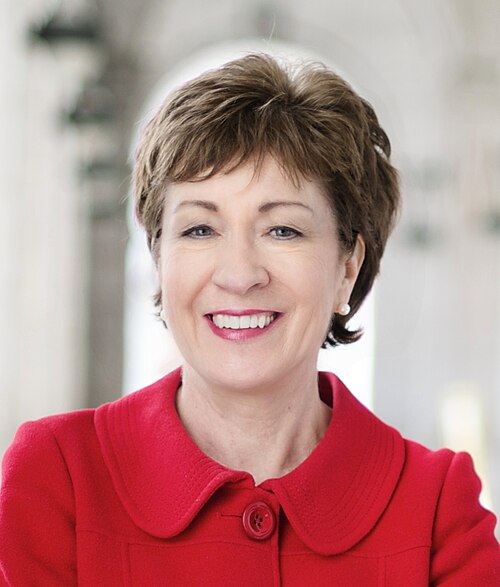
- ✗Smaller government
- ✗Small business over giants
- ✓Live and let live
- ~Light touch on AI, wary of Big Tech
- ✗Free speech
- ✗No surveillance state
- ~Home first, open trade
- ✓Checks on concentrated power
- ✓Right to bear arms
- ✓Hard on violent crime
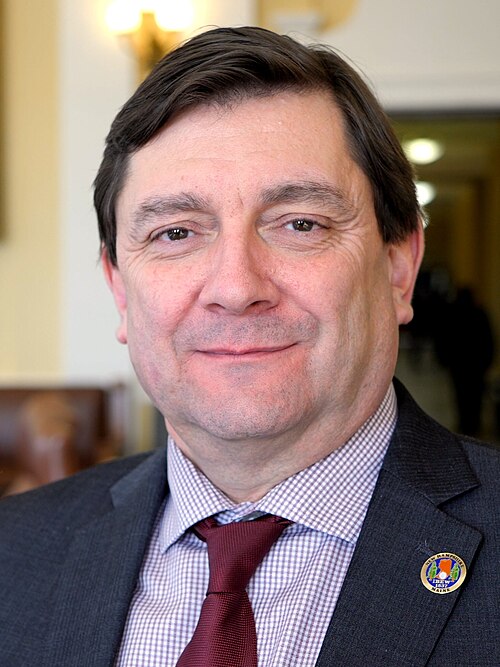
- ✗Smaller government
- ✓Small business over giants
- ✗Live and let live
- ~Light touch on AI, wary of Big Tech
- ?Free speech
- ✓No surveillance state
- ✓Home first, open trade
- ~Checks on concentrated power
- ✗Right to bear arms
- ✓Hard on violent crime
Susan Collins: for and against
- Voted to reauthorize FISA Section 702 without a warrant requirement, against the warrant amendment, and against barring the government from buying Americans' data from brokers. Source 1 Source 2 Source 3
- Voted for the TARP bank rescue and the CHIPS Act subsidies; voted against the 2025 package that cancelled $9 billion in spending. Source 1 Source 2 Source 3
- On guns she has gone both ways: against the 2013 assault-weapons ban and for carry reciprocity, but for extending the ban in 2004 and for the 2022 law funding red-flag programs. Source 1 Source 2 Source 3 Source 4
- To her credit: she voted for all five resolutions to end the tariff emergencies, voted against confirming Hegseth, Patel and Bove, voted to convict in the 2021 impeachment trial, and voted for the Respect for Marriage Act. Source 1 Source 2 Source 3 Source 4
Troy Jackson: for and against
- His priorities are Medicare for All and a plan to regulate data centers and restrict how companies and schools may use AI. Source 1 Source 2
- He has no federal record, so everything in his favour is a promise: end the tariffs, cut off money for the Iran war, ban AI license-plate readers. Source 1 Source 2 Source 3
- Voted against same-sex marriage in the Maine Senate in 2009, and later reversed himself. Source 1 Source 2
- Reversed himself on guns after Lewiston: voted for the 72-hour waiting period, endorsed the red-flag referendum and wrote of his NRA years, "I was wrong." To his credit, he voted against re-establishing parole in Maine. Source 1 Source 2 Source 3
New Hampshire
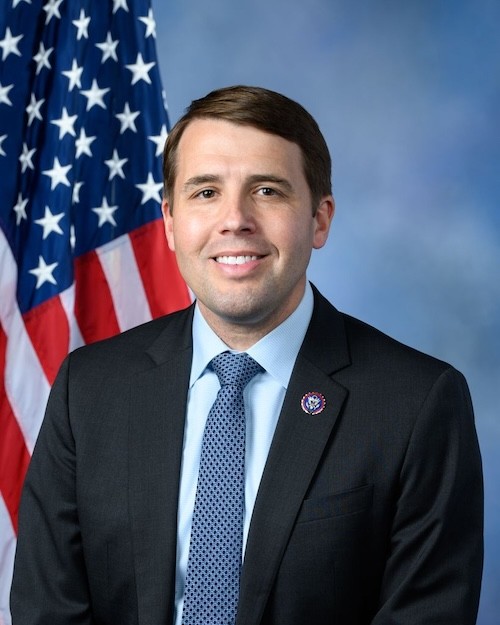
- ~Smaller government
- ✓Small business over giants
- ✓Live and let live
- ✓Light touch on AI, wary of Big Tech
- ✗Free speech
- ✗No surveillance state
- ✓Home first, open trade
- ✓Checks on concentrated power
- ✗Right to bear arms
- ✓Hard on violent crime
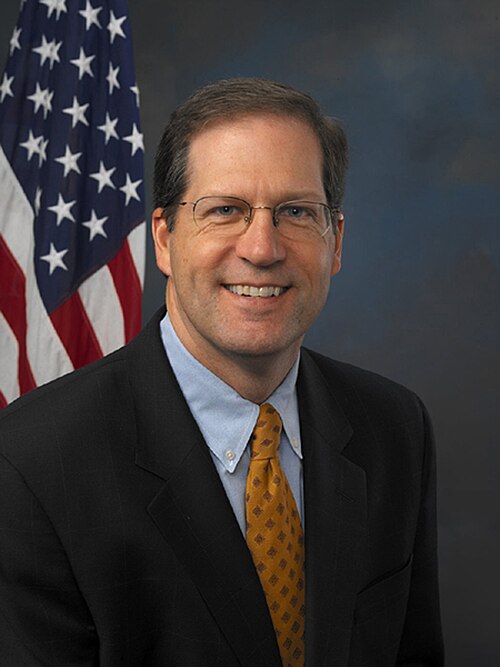
- ✓Smaller government
- ✗Small business over giants
- ✓Live and let live
- ✓Light touch on AI, wary of Big Tech
- ?Free speech
- ~No surveillance state
- ✗Home first, open trade
- ✓Checks on concentrated power
- ✓Right to bear arms
- ✓Hard on violent crime
Chris Pappas: for and against
- What keeps him from the full mark: he voted against the warrant requirement for Section 702, for its reauthorization, against barring government purchases of Americans' data, and for the TikTok ban. Source 1 Source 2 Source 3 Source 4
- To his credit: voted to end the emergency behind the Canada tariffs, and for the Iran and Venezuela war-powers resolutions in 2025 and 2026. Source 1 Source 2
- To his credit: one of a minority of Democrats who voted to end President Biden's COVID-19 national emergency. Source
- To his credit: voted for the Respect for Marriage Act, the 2022 antitrust package, and both light-touch crypto frameworks. Source 1 Source 2 Source 3
- Voted for the 2022 assault-weapons ban, which he cosponsored, for raising the rifle purchase age to 21, and against overturning the pistol-brace rule. Source 1 Source 2 Source 3 Source 4
- To his credit on violent crime: he voted for pretrial detention without bail on violent charges in the District of Columbia, for the DC CRIMES Act, and to block the District's softer criminal code. Source 1 Source 2 Source 3
John E. Sununu: for and against
- Voted for the 2008 TARP bank rescue, the 2008 law that created Section 702, and the Iraq war. Source 1 Source 2 Source 3
- Calls the Iran war a mistake but has not said how he would vote on a war-powers resolution, and does not oppose the tariffs outright. Source 1 Source 2
- To his credit: he voted twice against a constitutional ban on same-sex marriage, joined the 2005 filibuster of the Patriot Act, voted against the 2003 Medicare expansion, and says Congress should take back power it gave the executive. Source 1 Source 2 Source 3 Source 4
- To his credit: he voted against extending the assault-weapons ban, for barring gun confiscation during emergencies, and for mandatory life for a second sex offence against a child. Source 1 Source 2 Source 3
Ohio (special election)
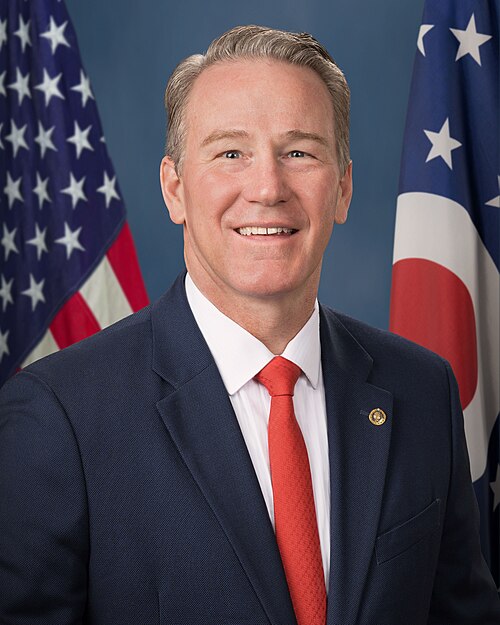
- ~Smaller government
- ✗Small business over giants
- ✗Live and let live
- ~Light touch on AI, wary of Big Tech
- ✗Free speech
- ?No surveillance state
- ✗Home first, open trade
- ✗Checks on concentrated power
- ✓Right to bear arms
- ✓Hard on violent crime
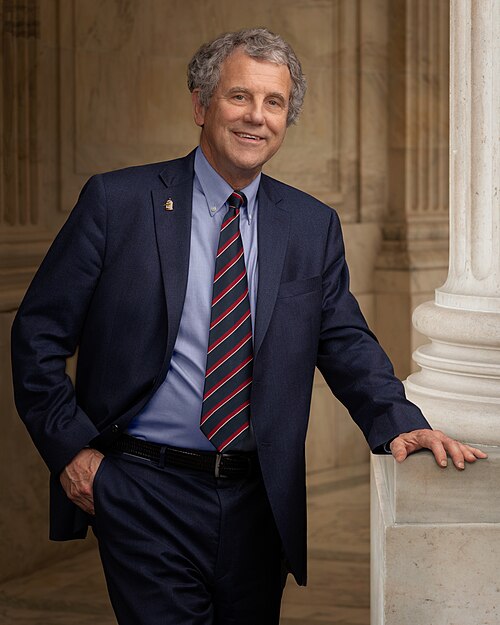
- ✗Smaller government
- ✓Small business over giants
- ✓Live and let live
- ✗Light touch on AI, wary of Big Tech
- ✗Free speech
- ✓No surveillance state
- ✓Home first, open trade
- ✓Checks on concentrated power
- ✗Right to bear arms
- ✓Hard on violent crime
Why Sherrod Brown earns the mark
- Voted against reauthorizing FISA Section 702 and for the amendment requiring a warrant to search Americans' communications. Source 1 Source 2
- Voted against the Iraq war in 2002 and for the Yemen and Iran war-powers resolutions and the repeal of the Iraq authorizations. Source
- Checked his own party's president: voted to end Biden's COVID emergency and to overturn Biden's solar-tariff waiver; also voted to convict in the 2021 impeachment trial. Source 1 Source 2
- Wrote the amendment to cap the size of the largest banks. Source
- Where we part ways: he voted for the American Rescue Plan, the Inflation Reduction Act, TARP and the CHIPS subsidies, was for years a supporter of tariffs, and voted for the TikTok ban. Source 1 Source 2 Source 3 Source 4
- What counts against him: he voted for the 1994 assault-weapons ban and the 2013 ban amendment, against carry reciprocity, and cosponsored the 2023 ban. Source 1 Source 2 Source 3 Source 4
Why Jon Husted did not
- Voted against all five resolutions to end the tariff emergencies and against every Iran and Venezuela war-powers measure. Source 1 Source 2
- As lieutenant governor he advocated for House Bill 6, the billion-dollar nuclear-plant bailout later tied to the FirstEnergy bribery scandal, and for data-center tax breaks. Source 1 Source 2
- Voted to confirm Hegseth, Patel and Bove, and against limiting the administration's proposed settlement fund; we found no vote of his that checked this president. Source 1 Source 2
- Championed Ohio's social-media parental-consent law, which a federal judge struck down as unconstitutional, and introduced a bill requiring age verification for AI chatbots. Source 1 Source 2
- To his credit: as Ohio House Speaker he led the veto override that brought statewide concealed-carry reform, and he cosponsors national carry reciprocity. Source 1 Source 2
Texas
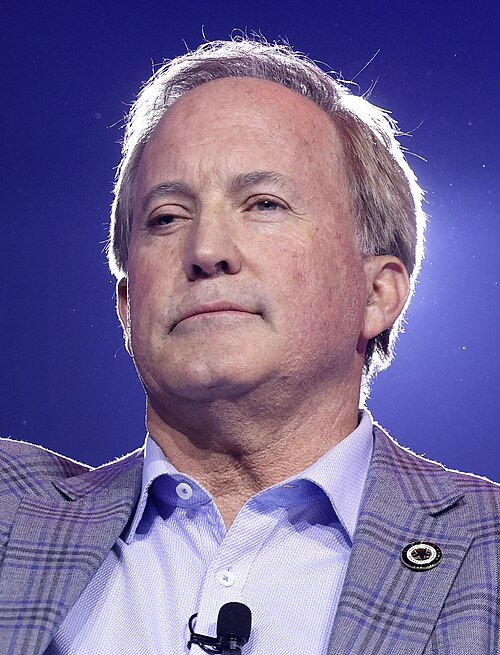
- ✓Smaller government
- ✓Small business over giants
- ✗Live and let live
- ✓Light touch on AI, wary of Big Tech
- ✗Free speech
- ~No surveillance state
- ✗Home first, open trade
- ✗Checks on concentrated power
- ✓Right to bear arms
- ✓Hard on violent crime
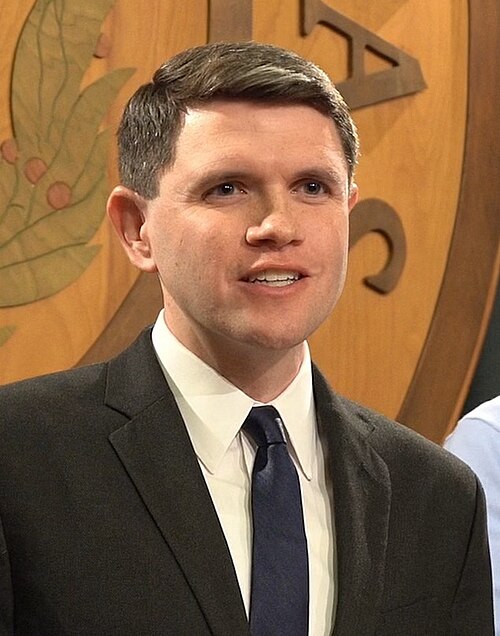
- ✗Smaller government
- ✓Small business over giants
- ✓Live and let live
- ✗Light touch on AI, wary of Big Tech
- ✗Free speech
- ~No surveillance state
- ✓Home first, open trade
- ✓Checks on concentrated power
- ✗Right to bear arms
- ~Hard on violent crime
Why Ken Paxton earns the mark
- He leads the multistate antitrust suit against Google's ad business, won record privacy settlements from Google and Meta, and sued GM and Allstate for selling drivers' location data. Source 1 Source 2 Source 3
- Sued Austin and Dallas to enforce carry rights on public property, sued to block the ATF's pistol-brace rule, and joined the challenge to California's magazine ban. Source 1 Source 2 Source 3 Source 4
- Opposed the Harris County bail decree in federal court and intervened to stop a mass release from the Dallas County jail. Source 1 Source 2
- On the other side of the ledger: issued a 2015 opinion that clerks could refuse to issue same-sex marriage licenses. Source
- On the other side of the ledger: filed Texas v. Pennsylvania, asking the Supreme Court to invalidate four other states' presidential results. Source
- On the other side of the ledger: federal courts blocked his investigative demand to Media Matters as likely First Amendment retaliation. Source
Why James Talarico did not
- His agenda adds universal childcare, paid leave, a public insurance option and a $15 federal minimum wage. Source
- Proposes an "AI dividend" and mandatory algorithmic impact assessments, and supports limits on what platforms may show minors. Source 1 Source 2
- Voted against permitless carry in 2021, co-authored a bill to bar rifle sales to people under 21, and voted against the 2021 bail overhaul. To his credit, he voted in 2025 to deny bail for the most serious violent felonies. Source 1 Source 2 Source 3 Source 4
- To his credit: he would repeal the broad tariffs and says "no more forever wars". Source 1 Source 2
Iowa
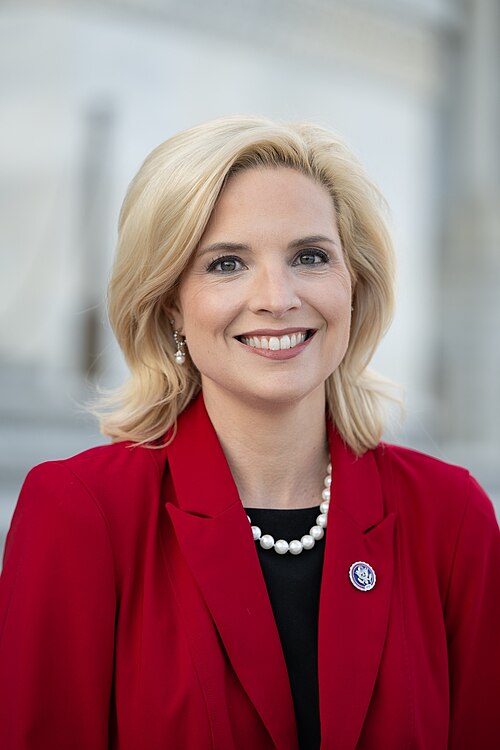
- ✓Smaller government
- ✓Small business over giants
- ✓Live and let live
- ✗Light touch on AI, wary of Big Tech
- ✗Free speech
- ✗No surveillance state
- ✗Home first, open trade
- ✗Checks on concentrated power
- ✓Right to bear arms
- ✓Hard on violent crime
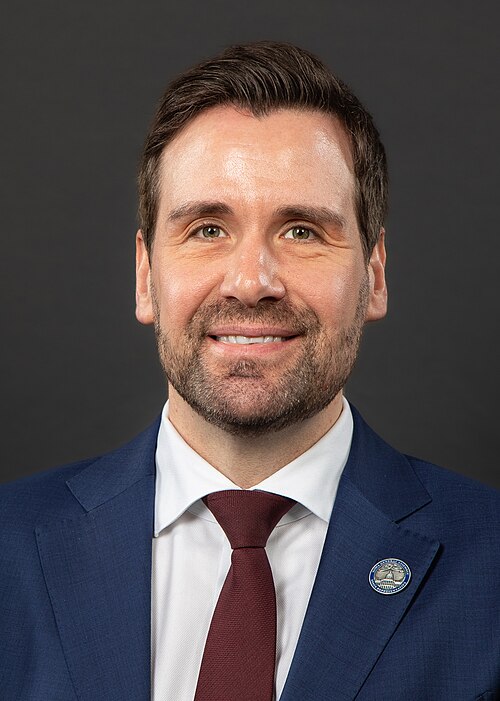
- ~Smaller government
- ✓Small business over giants
- ✓Live and let live
- ~Light touch on AI, wary of Big Tech
- ~Free speech
- ?No surveillance state
- ✓Home first, open trade
- ✓Checks on concentrated power
- ✗Right to bear arms
- ✓Hard on violent crime
Why Josh Turek earns the mark
- Wants to end the tariffs he says are pushing Iowa farms toward a 1980s-style crisis. Source
- Would crack down on meatpacking and agribusiness monopolies and pass a federal right-to-repair law. Source
- Ran a bipartisan Iowa bill barring deployment of the Iowa National Guard to wars Congress has not authorized, and says new conflicts need Congress's approval. Source 1 Source 2
- Supports the right to marry. Source
- Where the record is thin: nothing found on surveillance, nothing specific on AI, and no commitment on spending restraint. Source 1 Source 2
- On guns and crime he is mixed: he voted with Republicans to lower the handgun age to 18, to bar registries of gun owners and for a three-strikes sentencing law, and he voted for a red-flag amendment and against the 2026 bail law. Source 1 Source 2 Source 3 Source 4 Source 5
Why Ashley Hinson did not
- Voted against the warrant requirement for Section 702 searches, which failed on a 212-212 tie, and against the Fourth Amendment Is Not For Sale Act. Source 1 Source 2
- Voted to keep the Canada tariff emergency and for the rule that blocked the House from voting on the tariffs at all. Source 1 Source 2
- Voted against all three House-passed Iran war-powers resolutions. Source
- To her credit: she voted for the Respect for Marriage Act, for spending caps and rescissions, and led a bill forcing more price transparency from meatpackers. Source 1 Source 2 Source 3
- Also to her credit: she voted against the 2022 assault-weapons ban and the rifle age increase, and for detention without bail on violent charges in the District of Columbia. Source 1 Source 2 Source 3
Alaska
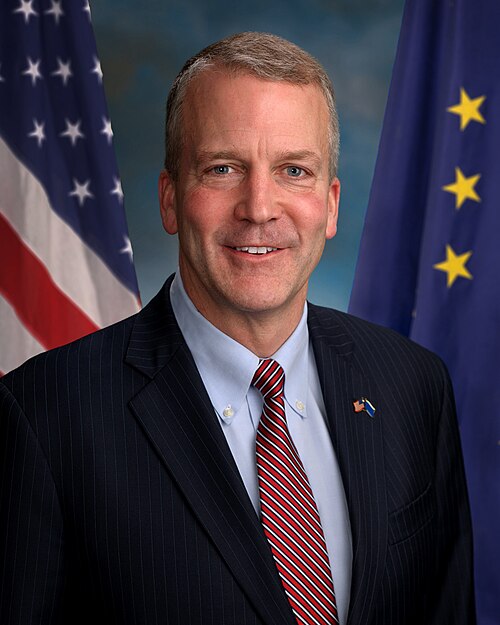
- ~Smaller government
- ?Small business over giants
- ~Live and let live
- ~Light touch on AI, wary of Big Tech
- ✗Free speech
- ~No surveillance state
- ✗Home first, open trade
- ✗Checks on concentrated power
- ✓Right to bear arms
- ✓Hard on violent crime
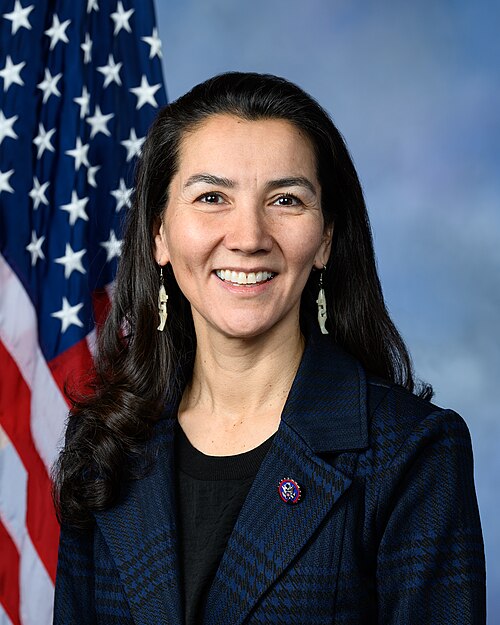
- ✗Smaller government
- ✓Small business over giants
- ✓Live and let live
- ~Light touch on AI, wary of Big Tech
- ✗Free speech
- ✗No surveillance state
- ✓Home first, open trade
- ✓Checks on concentrated power
- ✓Right to bear arms
- ✓Hard on violent crime
Why Mary Peltola earns the mark
- She voted for the warrant amendment and the Respect for Marriage Act, voted against her own party more than almost any other House Democrat, and says she would back a war-powers resolution. Source 1 Source 2 Source 3 Source 4
- Voted for permitless concealed carry as an Alaska legislator and, in Congress, to overturn the ATF's pistol-brace rule; the NRA grades her A. Source 1 Source 2 Source 3
- As a state legislator voted for longer prison terms for sex crimes and for the 2007 omnibus crime law. Source 1 Source 2
- On the other side of the ledger: voted to reauthorize Section 702 without the warrant requirement, against the Fourth Amendment Is Not For Sale Act, and for the TikTok ban. Source 1 Source 2 Source 3
- On the other side of the ledger: her 2026 plan adds a federally subsidized freight service and new tax credits. Source
- On the other side of the ledger: she voted against blocking the District of Columbia's softer criminal code. Source
Why Dan Sullivan did not
- Voted against every resolution to end the tariff emergencies and every Iran and Venezuela war-powers measure that reached the floor. Source 1 Source 2 Source 3
- Voted against ending the 2019 border-wall emergency and against repealing the Iraq war authorizations. Source 1 Source 2
- To his credit: one of 12 Senate Republicans to vote for the Respect for Marriage Act, and he voted for the warrant requirement on Section 702 searches. Source 1 Source 2
- Also to his credit: he voted against the 2022 gun law and to overturn the pistol-brace rule, cosponsors national carry reciprocity, and as attorney general pressed Alaska's 2010 bail law through the legislature. Source 1 Source 2 Source 3 Source 4
Nebraska
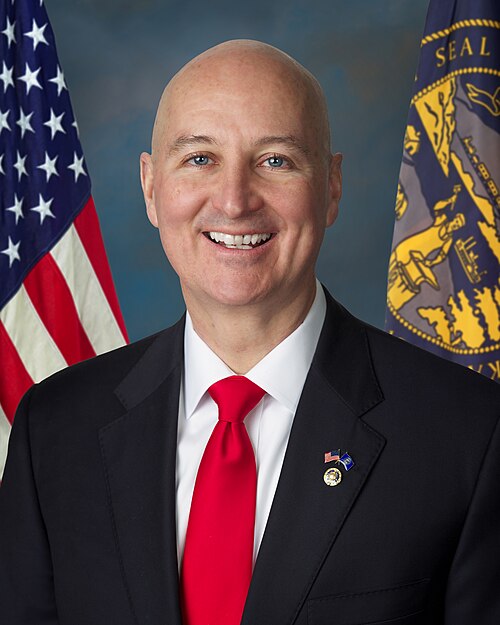
- ✓Smaller government
- ✗Small business over giants
- ✗Live and let live
- ~Light touch on AI, wary of Big Tech
- ✗Free speech
- ✗No surveillance state
- ✗Home first, open trade
- ✗Checks on concentrated power
- ✓Right to bear arms
- ✓Hard on violent crime
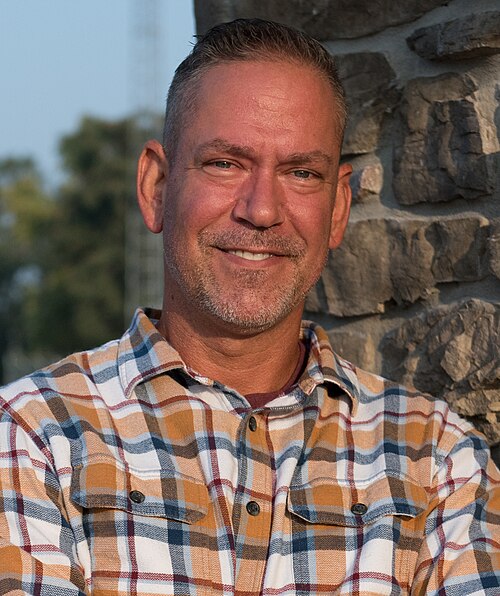
- ✓Smaller government
- ✓Small business over giants
- ✓Live and let live
- ✗Light touch on AI, wary of Big Tech
- ?Free speech
- ✓No surveillance state
- ✓Home first, open trade
- ✓Checks on concentrated power
- ✓Right to bear arms
- ~Hard on violent crime
Why Dan Osborn earns the mark
- "I won't vote for anything that we can't afford": wants a pay-for on every bill and says he believes in limited government. Source 1 Source 2
- No more bailouts, no data-center giveaways, break up the agriculture and railroad monopolies, right to repair. Source 1 Source 2
- Would not reauthorize Section 702 without strict warrant protections, and backs the Fourth Amendment Is Not For Sale Act. Source 1 Source 2
- Says war powers and tariff authority belong with Congress, and pledges not to caucus with either party. Source 1 Source 2
- Where he is against us: he signed an "AI Pact" calling for mandatory independent safety reviews of AI. Source
- Says he is "fundamentally in favor of the Second Amendment". He has said nothing specific on bail or sentencing. Source
Why Pete Ricketts did not
- Voted against the warrant requirement and for reauthorizing Section 702. Source 1 Source 2
- Voted against all five resolutions to end the tariff emergencies and declined to back a bill requiring Congress to approve tariffs. Source 1 Source 2
- Opposed medical marijuana as governor and asked the president to keep marijuana on Schedule I, the category for drugs with no medical use. Source 1 Source 2
- As governor he signed the ImagiNE Nebraska corporate incentive program and a sales-tax exemption for large data centers. Source 1 Source 2
- To his credit: he cut Nebraska's income-tax rates as governor and voted for the 2025 rescissions package. Source 1 Source 2
- To his credit: he blocked the Senate's bump-stock ban, cosponsors national carry reciprocity, and voted to block the District of Columbia's softer criminal code. Source 1 Source 2 Source 3
Minnesota
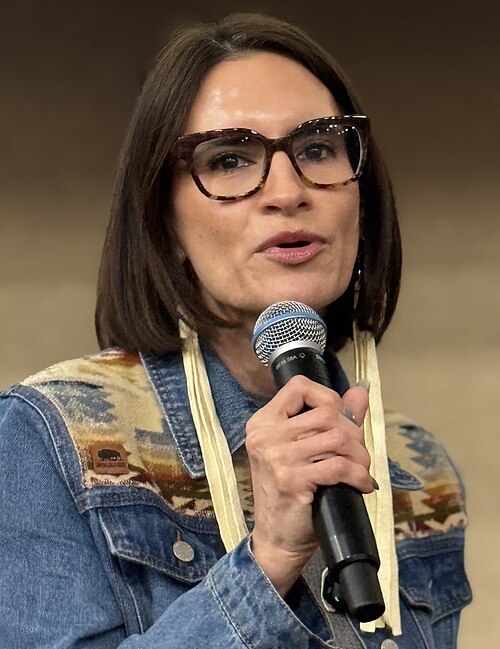
- ✗Smaller government
- ✓Small business over giants
- ✓Live and let live
- ~Light touch on AI, wary of Big Tech
- ~Free speech
- ?No surveillance state
- ✓Home first, open trade
- ✓Checks on concentrated power
- ✗Right to bear arms
- ~Hard on violent crime
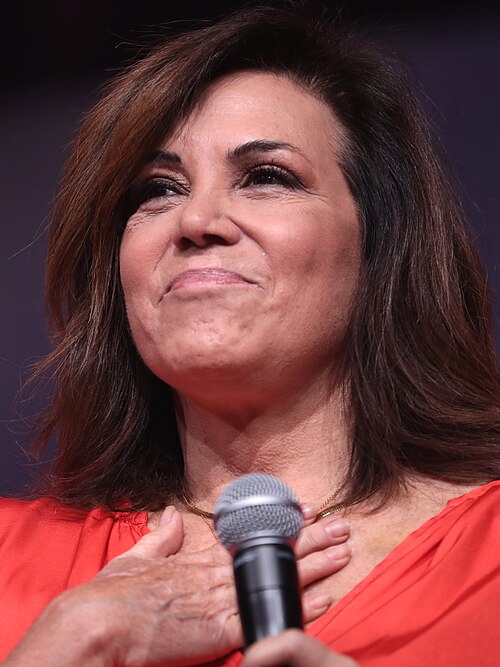
- ✓Smaller government
- ?Small business over giants
- ?Live and let live
- ?Light touch on AI, wary of Big Tech
- ✓Free speech
- ?No surveillance state
- ✗Home first, open trade
- ~Checks on concentrated power
- ~Right to bear arms
- ✓Hard on violent crime
Peggy Flanagan: for and against
- Where she is against us: Medicare for All, universal childcare, and the 2023 state budget that grew spending by about 37 percent. Source 1 Source 2
- To her credit: calls the Iran war illegal and says it must end. Source
- To her credit: wants small businesses to stop paying higher tax rates than giant corporations, and a farmer's right to repair. Source
- Her priorities page says she "wants to ban assault weapons, high-capacity magazines, and ghost guns", and as a legislator she co-authored a red-flag bill. Source 1 Source 2
Michele Tafoya: for and against
- Praised the president's tariffs at Farmfest, and when asked whether Congress should have a say over tariffs, declined to answer. Source 1 Source 2
- No position we could find on small business and corporate power, personal freedom, technology or surveillance.
- To her credit: she says she will make Congress "spend less, borrow less and tax less", and wants no forever war in Iran. Source 1 Source 2
- To her credit: she promises "tougher penalties" for violent offenders. It is a promise, with no specifics on bail or parole. Source
Kansas
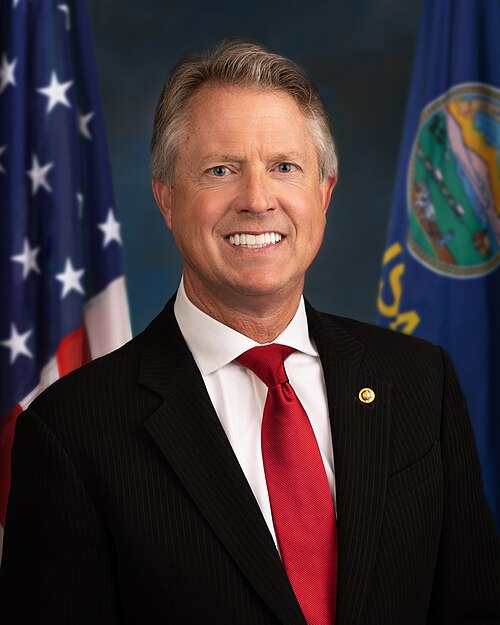
- ~Smaller government
- ✓Small business over giants
- ✗Live and let live
- ~Light touch on AI, wary of Big Tech
- ✓Free speech
- ✓No surveillance state
- ✗Home first, open trade
- ✗Checks on concentrated power
- ✓Right to bear arms
- ✓Hard on violent crime
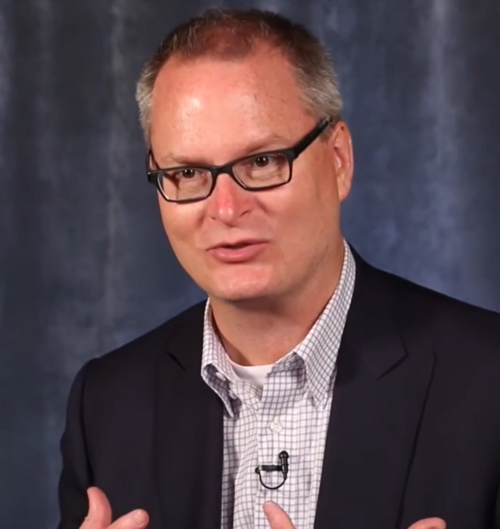
- ✗Smaller government
- ✓Small business over giants
- ✓Live and let live
- ✗Light touch on AI, wary of Big Tech
- ?Free speech
- ?No surveillance state
- ✓Home first, open trade
- ✓Checks on concentrated power
- ~Right to bear arms
- ?Hard on violent crime
Why Roger Marshall is closer to us
- He voted against reauthorizing Section 702 and for the warrant requirement, leads the Credit Card Competition Act, and voted to repeal the Iraq war authorizations. Source 1 Source 2 Source 3 Source 4
- Voted against the 2022 gun law and to overturn the pistol-brace rule, and is lead sponsor of the SHORT Act to take short-barreled rifles and shotguns out of federal registration. Source 1 Source 2 Source 3
- Voted to block the District of Columbia's softer criminal code, and has warned against leaders who "believe in cashless bails". Source 1 Source 2
- On the other side of the ledger: voted against the Respect for Marriage Act and asked the president to keep marijuana on Schedule I. Source 1 Source 2
- On the other side of the ledger: voted against ending the tariff emergencies, says "these tariffs are working", and voted against the Iran and Venezuela war-powers measures. Source 1 Source 2 Source 3
- On the other side of the ledger: voted on January 6-7, 2021 to reject the electoral votes of Arizona and Pennsylvania. Source
Where Adam Hamilton falls short
- Where he is against us: he wants immediate federal "regulatory guardrails" on AI, and says Washington sometimes has to do what communities cannot. Source 1 Source 2
- To his credit: would end the tariffs and require Congress to approve new ones; says of Iran, "We should not be in the war." Source 1 Source 2
- To his credit: would limit the presidential pardon power, and backs term limits and a ban on members trading stocks. Source 1 Source 2
- To his credit: wants clawbacks on corporate incentive deals and an investigation of private-equity roll-ups. Source 1 Source 2
- Has taken no clear position on guns or on violent crime. The NRA grades him F without giving a reason, which we have not counted. Source
Florida (special election)
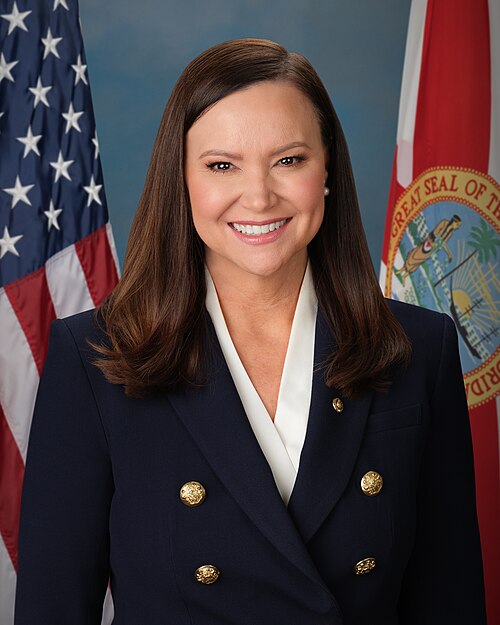
- ✓Smaller government
- ✓Small business over giants
- ~Live and let live
- ✓Light touch on AI, wary of Big Tech
- ✗Free speech
- ?No surveillance state
- ✗Home first, open trade
- ✗Checks on concentrated power
- ✓Right to bear arms
- ✓Hard on violent crime
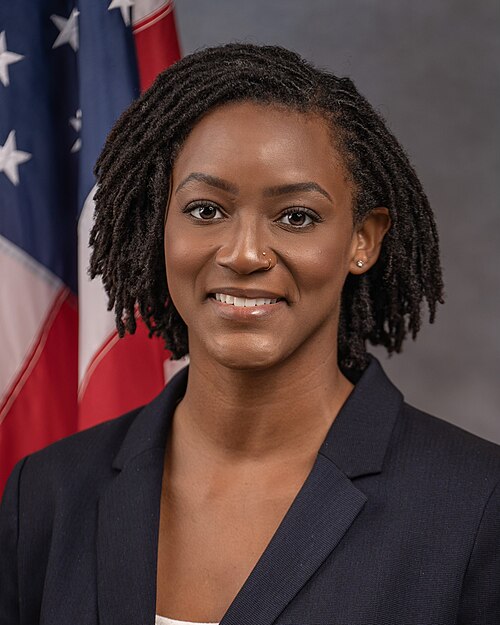
- ✗Smaller government
- ✓Small business over giants
- ~Live and let live
- ~Light touch on AI, wary of Big Tech
- ✓Free speech
- ✓No surveillance state
- ✓Home first, open trade
- ~Checks on concentrated power
- ✗Right to bear arms
- ~Hard on violent crime
Why Ashley Moody is closer to us
- She voted for the 2025 rescissions package and, as attorney general, sued Google on antitrust grounds. Source 1 Source 2
- As attorney general she argued for gun owners at the Florida Supreme Court and joined the states backing the challenge to New York's carry law; in the Senate she cosponsors national concealed-carry reciprocity. Source 1 Source 2 Source 3
- Backed Florida's 2023 law adding offences to the pretrial-detention list and barring release before first appearance for certain crimes, and introduced a bill making assault on a first responder a federal crime. Source 1 Source 2
- On the other side of the ledger: voted against all five resolutions to end the tariff emergencies and against every Iran and Venezuela war-powers measure. Source 1 Source 2 Source 3
- On the other side of the ledger: co-introduced the bill to sunset Section 230, and joined the 2020 Texas v. Pennsylvania suit to invalidate other states' election results. Source 1 Source 2
- On the other side of the ledger: her office defended Florida's ban on gun purchases by adults under 21 against the NRA's lawsuit. Source
Where Angie Nixon falls short
- Where she is against us: Medicare for All, a 5 percent annual wealth tax on billionaires, a moratorium on new data centers, and ending Section 230 protections. Source 1 Source 2 Source 3 Source 4
- To her credit: one of four Florida House members to vote against HB 3, the state's under-16 social-media ban with age verification. Source
- To her credit: would require warrants before police search location history and end federal funding for mass-surveillance systems. Source
- To her credit: wants the tariffs repealed and the Iran war ended, with diplomacy before force. Source 1 Source 2
- To her credit: would break up tech monopolies and end fossil-fuel subsidies. Source
- Twice co-introduced a ban on assault weapons and large-capacity magazines, and voted against permitless carry and against restoring the rifle purchase age to 18. Source 1 Source 2 Source 3 Source 4
South Carolina
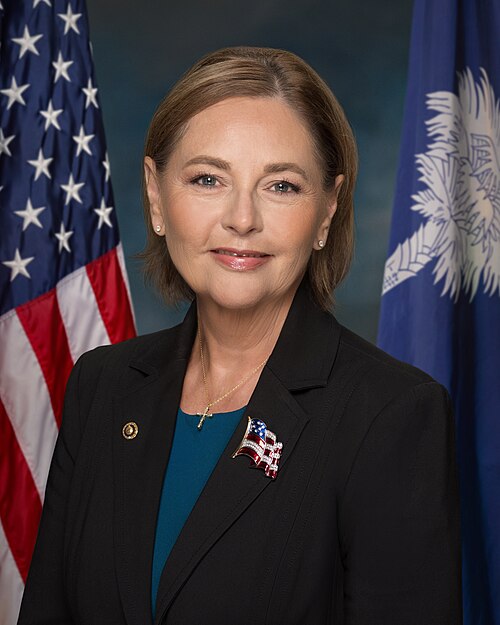
- ✓Smaller government
- ?Small business over giants
- ?Live and let live
- ~Light touch on AI, wary of Big Tech
- ?Free speech
- ?No surveillance state
- ✗Home first, open trade
- ✗Checks on concentrated power
- ✓Right to bear arms
- ?Hard on violent crime
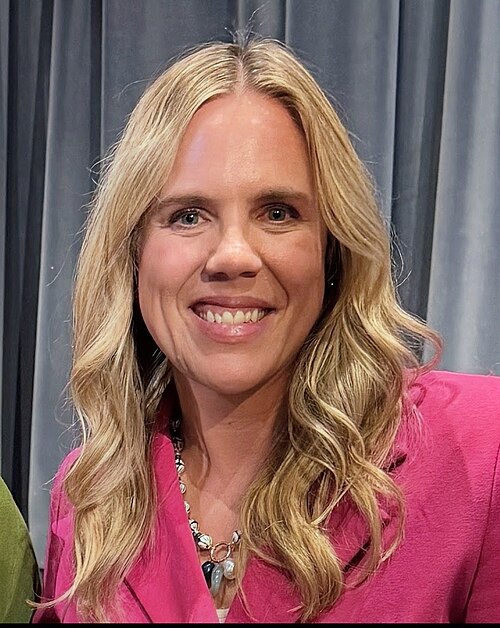
- ✗Smaller government
- ✓Small business over giants
- ✓Live and let live
- ~Light touch on AI, wary of Big Tech
- ?Free speech
- ✓No surveillance state
- ✓Home first, open trade
- ✓Checks on concentrated power
- ✗Right to bear arms
- ?Hard on violent crime
Why Annie Andrews is closer to us
- "No more endless wars": would require Congress to approve the use of military force. Source
- Backs term limits, a congressional stock-trading ban, and "standing up to anyone, in any party". Source
- Refuses corporate PAC money and would end tax breaks for the largest corporations; proposes a national digital bill of rights. Source 1 Source 2
- Where she is against us: Medicaid expansion and new subsidies, a two-year moratorium on data centers, and regulation of AI. Source 1 Source 2
- Where she is against us on guns: her platform calls for "Banning weapons of war" along with universal background checks, and Everytown endorsed her. Source 1 Source 2
Where Darline Graham falls short
- Voted against both Iran war-powers resolutions that came up after she was sworn in, and said "I fully trust President Trump when it comes to the war in Iran." Source 1 Source 2
- Promised at her appointment to work every day to support the president, and voted to confirm Todd Blanche as attorney general. Source
- Two months in office: no record we could find on small business, personal freedom, free speech or surveillance.
- To her credit: she says the way to bring prices down is to cut government spending. Source
- To her credit: within two weeks of taking office she signed on to national carry reciprocity and to bills against gun registries and magazine limits. Source
How we did this
What we covered. Every race for Congress. The Senate races that the major forecasters (Cook Political Report, Inside Elections, Sabato’s Crystal Ball) rate as anything other than safe are researched in depth on this page, candidate by candidate. Every other Senate race and all 435 House districts are on the state pages. There, anyone who has served in Congress is scored on one fixed list of key votes, 27 in the House and 24 in the Senate, read straight from the official roll calls of the House Clerk and the Senate; each vote links to the record. The list is the same for every member and it cuts both ways: it includes votes to check President Biden and votes to check President Trump. In the House toss-up districts we also researched the challengers. Elsewhere, a candidate who has never served in Congress has no votes to score and is marked as not scored. That is a gap in our coverage, not a verdict on the candidate.
Two kinds of mark on the state pages. Where both candidates have a record, the mark is head to head: Our pick or Closer to our standards, by the rule below. Where only one candidate could be measured, usually an incumbent facing a first-time challenger, the mark rates that record on its own: Meets our standards for a total of +2 or better, Leans our way for +1, and no mark below that. It is not a verdict on the opponent, whom we did not measure. A full mark also needs a record on at least four of the ten standards, and any mark needs at least three scored votes.
What counts as evidence. Votes, bills, official actions, published platforms and on-the-record statements, each linked to its source. We did not infer anyone’s position from their party. Where a first-time candidate has no record on a standard, it is marked “?” and counts for nothing either way, which means challengers with thin records are scored on less. Read those races with that in mind.
What we did not score. Abortion: our standards page takes no position on it, so it is not part of the mark. Recreational marijuana: we back medical cannabis, so support for it counts for a candidate and blocking it counts against, but we take no side on legalizing recreational use, cannabis banking or hemp rules, and those votes count for nothing either way. Where a candidate’s position on either is part of the public record we have left it for you to weigh yourself.
The rule. On each standard a candidate is for us, against us, mixed, or has no clear record. A vote or an official act counts a full point; a campaign promise or a platform line counts half, because a vote outweighs a promise. Our pick goes to a candidate with a total of at least +2 who is at least two points clear of the opponent. Closer to our standards goes to a candidate with a positive total who is at least one point clear. Anything less is no endorsement. It is a blunt instrument on purpose: you can check our arithmetic.
The two standards added on 17 September 2026. The right to bear arms, and hard punishment for violent crime: no bail for people charged with violent crimes and no parole or early release for people convicted of them. On guns, a vote or stand for a ban on commonly owned firearms or magazines, a red-flag law, a higher purchase age or a registry counts against; defending carry and ownership rights counts for; support for background checks or safe storage alone is mixed. A letter grade from the NRA or a gun-control group counts as a statement, at half weight, and a grade with nothing else behind it, or one the group does not explain, is not counted at all. On crime, we score bail, parole and sentencing for violent offences only. The death penalty is not scored, and neither are positions on non-violent or drug offences. In Congress the three House votes on violent crime all concern the District of Columbia, because that is where Congress writes criminal law; some members voted no on home-rule grounds, and you should read those marks with that in mind. Several marks changed when these standards were added, and each verdict says so.
How recurring votes were read. The same vote is read the same way for everyone. A yes on the 2024 TikTok divest-or-ban law counts against free speech. A yes on the Kids Online Safety Act is mixed: the aim is child safety, the speech concerns are real. A yes on the 2025 reconciliation law is mixed on smaller government: it cut taxes and some spending and, by the Congressional Budget Office’s estimate, added $3.4 trillion to deficits. The 99-1 vote to strike the moratorium on state AI laws is mixed for everyone. A yes on reauthorizing FISA Section 702 without a warrant requirement counts against.
Corrections. These are real people and a real election. If we have a fact wrong, a vote misread or a nominee out of date, tell us at notebook@claytribune.com and we will fix it and say so here. Last checked: 17 September 2026.
Before you vote. Registration deadlines and polling places differ by state. The official place to check yours is vote.gov.
- Abdul El-Sayed: Conlan Houston, CC BY-SA 4.0, via Wikimedia Commons (file, licence)
- Adam Hamilton: Working Preacher, CC BY 4.0, via Wikimedia Commons (file, licence)
- Angie Nixon: Florida House of Representatives, Public domain, via Wikimedia Commons (file, licence)
- Annie Andrews: Stimpus1, CC0, via Wikimedia Commons (file, licence)
- Ashley Hinson: Office of Congresswoman Ashley Hinson, Public domain, via Wikimedia Commons (file, licence)
- Ashley Moody: United States Senate Photography Service, Public domain, via Wikimedia Commons (file, licence)
- Chris Pappas: Nate Payne, Public domain, via Wikimedia Commons (file, licence)
- Dan Osborn: Ramseywill, CC BY 4.0, via Wikimedia Commons (file, licence)
- Dan Sullivan: United States Senate, Public domain, via Wikimedia Commons (file, licence)
- Darline Graham: Rosa Pineda, United States Senate, Public domain, via Wikimedia Commons (file, licence)
- James Talarico: Antonioaesparza, CC BY-SA 4.0, via Wikimedia Commons (file, licence)
- John E. Sununu: Unknown authorUnknown author, Public domain, via Wikimedia Commons (file, licence)
- Jon Husted: United States Senate, Public domain, via Wikimedia Commons (file, licence)
- Jon Ossoff: U.S. Senate Photographic Studio, Public domain, via Wikimedia Commons (file, licence)
- Josh Turek: Iowa General Assembly, Copyrighted free use, via Wikimedia Commons (file, licence)
- Ken Paxton: Gage Skidmore, CC BY-SA 4.0, via Wikimedia Commons (file, licence)
- Mary Peltola: Leah Herman, House Creative Services, Public domain, via Wikimedia Commons (file, licence)
- Michael Whatley: Gage Skidmore, CC BY-SA 4.0, via Wikimedia Commons (file, licence)
- Michele Tafoya: Gage Skidmore from Surprise, AZ, United States of America, CC BY-SA 2.0, via Wikimedia Commons (file, licence)
- Mike Collins: United States Congress, Public domain, via Wikimedia Commons (file, licence)
- Mike Rogers: P.J. Siquig, Public domain, via Wikimedia Commons (file, licence)
- Peggy Flanagan: Travellers & Tinkers, CC BY-SA 4.0, via Wikimedia Commons (file, licence)
- Pete Ricketts: United States Congress, Public domain, via Wikimedia Commons (file, licence)
- Roger Marshall: U.S. Senate Photographic Studio, Public domain, via Wikimedia Commons (file, licence)
- Roy Cooper: NCDOTcommunications, CC BY 2.0, via Wikimedia Commons (file, licence)
- Sherrod Brown: U.S. Senate Photographic Services; Rebecca Hammel, Public domain, via Wikimedia Commons (file, licence)
- Susan Collins: U.S. Congress, Public domain, via Wikimedia Commons (file, licence)
- Troy Jackson: ArenLeBrun, CC0, via Wikimedia Commons (file, licence)