
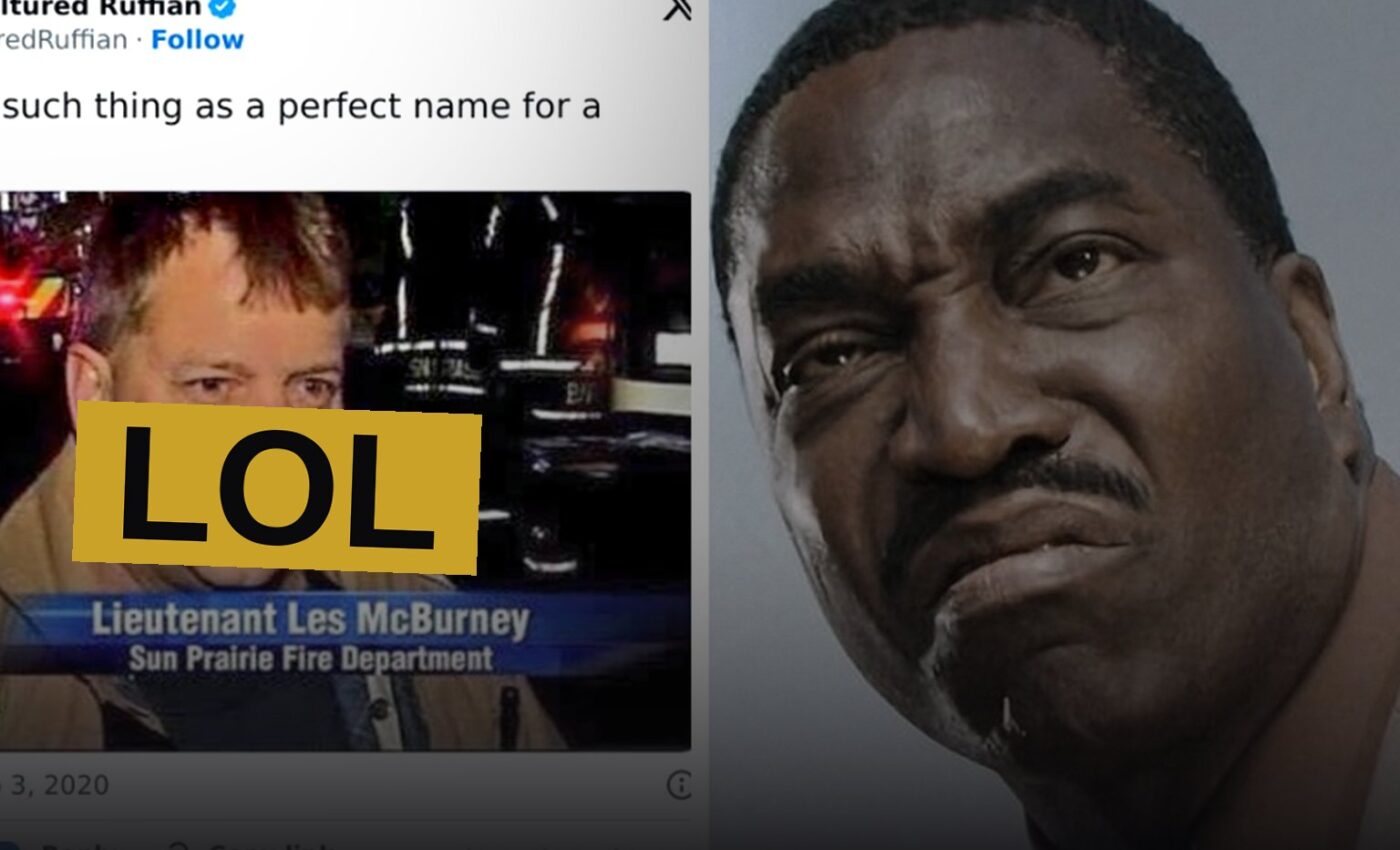
Our feeds, group chats, and DMs belong to the memes that fill them. Rare is the day when friends do not send at least a few, and nobody complains about the constant stream.
The Facebook page known as ‘The Safe Word is Avocado’ has drawn together a sizable following united behind its humor. Its title appears arbitrary, yet that quality is precisely what gives it appeal. On the internet, items do not need to be sensible for people to take to them.
The Power of Silliness
Memes are strange and odd, yet they manage to be understood by everyone. Scientists such as Paolo Gerbaudo describe them as a form of “language,” that crosses cultural lines and joins people together in ways that words alone sometimes cannot.
You can find them all around you. Flip through Bored Panda or chuckle at a humorous email from a colleague, and you will come across them. On Instagram alone, 2020 reports that more than 1 million memes were shared daily, a figure that has probably risen since that time.
A Therapist’s Case for Memes
Theodora Blanchfield, a therapist and mental health writer, contends that memes merit greater recognition for their communicative value. She views them as a significant means of expression.
“Memes get trivialized and disparaged, yet, they’re an important social currency and way of communicating online in this day and age,” she says. “These small, often funny pieces of content are important for their ability to share ideas quickly and succinctly as well as foster a sense of connection and feeling seen.”
Blanchfield thinks memes have reshaped how we communicate, and she sees it as a positive change. “As both a therapist and ‘regular’ human, I’m glad that we have this way of communicating,” she says.
The Shared Language of Memes
Blanchfield draws on a familiar feeling: the moment you clue in a group about a popular meme they somehow missed. “If you felt a small rush of power, you’re not petty. (Or at least no more petty than me.)”
That feeling comes from being “fluent” in the language of memes. It makes you part of something together.
There’s an evolutionary reason behind that small rush. Historically, having more information was crucial for survival. “Knowing that a tiger was coming when someone else didn’t could have meant the difference between life and death,” she says. “Missing out on a meme won’t end you, but having that shared language will help bring you closer.”
Connection in a Lonely Time
A recent Meta-Gallup survey found that nearly 1 in 4 adults worldwide experience feelings of loneliness. Blanchfield sees memes as one way to combat that isolation.
“I can’t talk much about what happened at work to people in my life, other than in incredibly broad strokes,” she shares. However, she’s found support in a dedicated psychotherapy meme group, which has made a difference for her.
Humor as a Path to Hard Truths
Memes now serve as a useful way to talk about difficult subjects, such as mental health, and they have given people a means of expressing things that might otherwise go unspoken. Blanchfield has observed friends and clients turning to them to say the hard things.
She says “I’m grateful that my friends and clients have used memes to communicate with me in order to say the hard things—to make jokes about their traumas or an element of dealing with chronic depression, for example,”.
Validation When Words Fail
Memes can offer validation when other things fall short. “Sometimes, no matter how many ways I phrase something or ask something to a client, they still have a hard time wrapping their head around the fact that they’re not The Only Person Who Has Ever Felt That Way,” she says.
During those times, a meme or picture that speaks to your situation can help you feel understood.
Emotional Capital in Relationships
Sending a meme to a friend or family member can maintain what Blanchfield calls “emotional capital” in a relationship. Even if you don’t see someone often or text them frequently, a meme now and then shows you’re thinking of them.
“If you were trying to save $100,000 but only focused on making big deposits, you’d miss out on the ability to build up your money over time,” she explains. “The same holds true in relationships—they’re not just built in the big moments, but it’s the smaller moments that help us build emotional capital.”
Spreading Smiles
There’s no doubt that memes have improved our lives. It follows that we should share one with a friend, family member, or even our boss.
Go ahead, spread some smiles.
Key Facts Box
- Page: ‘The Safe Word is Avocado’ on Facebook
- Daily Instagram shares in 2020: Over 1 million
- Meta-Gallup survey finding: Nearly 1 in 4 adults worldwide experience feelings of loneliness
- Survey topic: Feelings of loneliness
The post offers a batch of oddball internet jokes, along with a therapist’s’s argument that memes strengthen social bonds. It’ light-hearted look at a subject that has faded from view: the part that humor plays in our online interactions.
The piece argues that memes carry little weight individually, yet they matter greatly. They close divides, affirm shared feelings, and sustain connections through brief exchanges. These small gestures accumulate into something lasting, building what the article calls “emotional capital” across small, repeated interactions.
Send a meme today.