
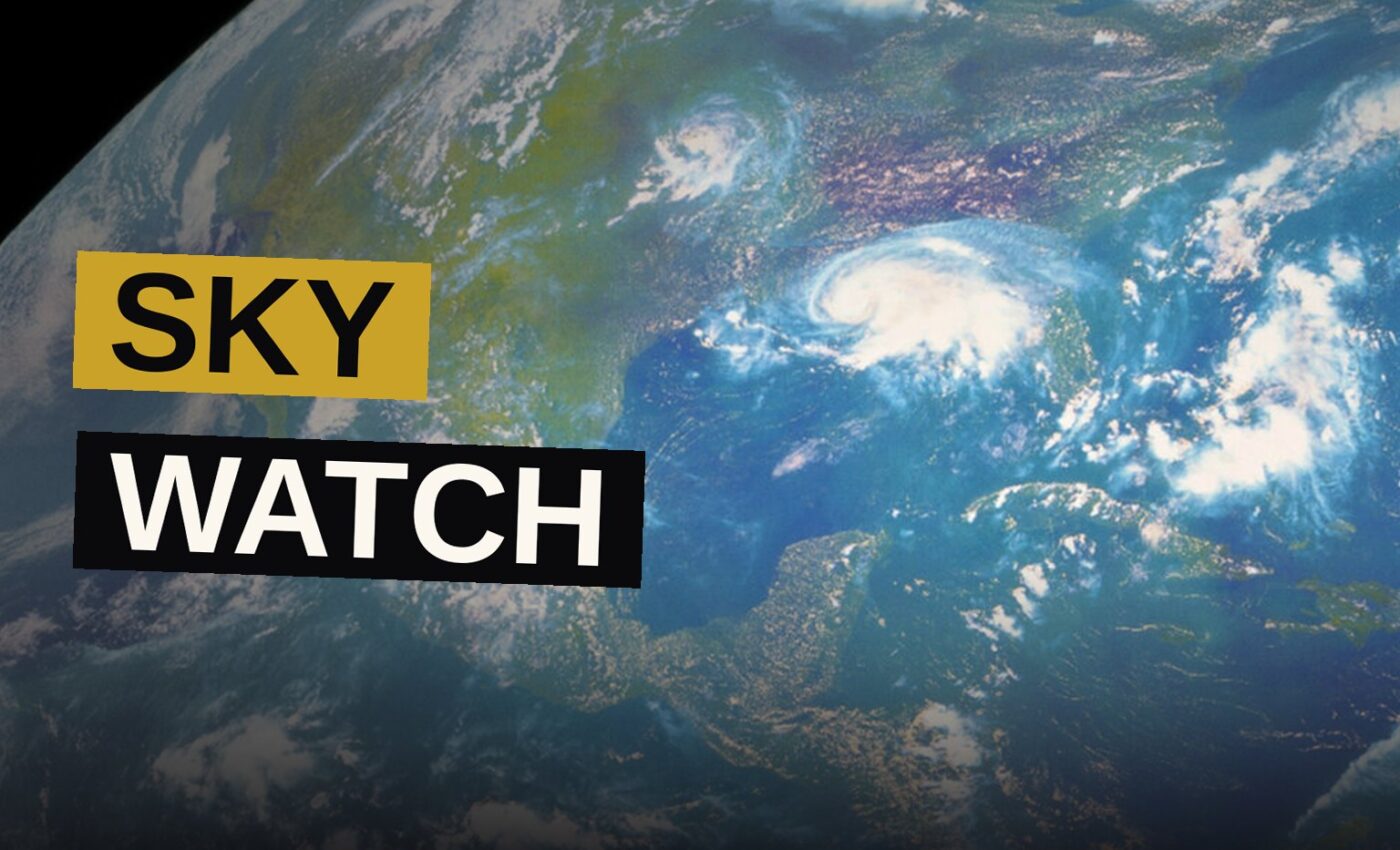
Google has released version 3 of its WeatherNext model. The update improves forecast accuracy by pulling in satellite weather data. The change reduces the lag time between current conditions and a new forecast.
The update is detailed in a white paper. Google is one of the major players in AI weather forecasting. Its models can match older forecast methods while requiring far less computing power to run.
Reanalysis as the Old Standard
Most weather models rely on something called a “reanalysis.” A reanalysis is a model of its own. It takes in all kinds of weather data and combines them into a single, consistent snapshot of the atmosphere.
That snapshot requires estimates for locations without real-world measurements. Weather forecast models need a complete picture to work. Nearly all AI weather models have been relying entirely on reanalyses. Machine-learning algorithms train on these snapshots and produce a weather map in the same format.
There are trade-offs. Raw data sources can contain information that gets lost in the blending process. These snapshots are only produced every six hours.
What WeatherNext 3 Adds
Older forecast models often take in raw data directly. They capture as much information as possible to represent the current state of the atmosphere. Then physics moves conditions forward in time.
WeatherNext 3 now does some of this as well. It adds weather satellite data. That lets it generate forecasts hourly.
The six-hour interval refers to how often reanalysis snapshots are produced. The hourly cadence is the new forecast frequency enabled by satellite data. The model also got bigger. Resolution has increased. The larger machine-learning model prompted process changes to limit the added computing demands.
A Second Model for Rain
Google added a separate machine-learning model trained on satellite-based precipitation estimates. This means there are multiple precipitation forecasts available from WeatherNext 3.
Costs and Gains
AI models have strengths and weaknesses. Their main advantage is performance similar to older models with far less computing power. That means they can be run more often.
The reanalysis approach was simpler but had gaps. Satellite data adds freshness. The hourly frequency is a major step up from the six-hour snapshots.
But the changes come with costs. A larger model demands more computing power. Google had to adjust processes to keep those demands in check.
Comparing the Two Approaches
| Feature | Reanalysis | WeatherNext 3 |
|---|---|---|
| Data source | Blended snapshots | Adds raw satellite data |
| Forecast frequency | Every six hours | Hourly |
| Precipitation | Not specified in source | Multiple forecasts from separate model |
Why This Matters
Google is one of the major players in the AI weather model space. The models it and others generate keep improving. Version 3 shows the direction: more raw data, faster updates, better resolution.
The white paper details the technical changes. The core shift is clear. WeatherNext 3 no longer depends solely on reanalysis.
That is a real step forward. Forecast accuracy improves when the model starts from fresher, more complete information. The hourly cadence means conditions on the ground get reflected in predictions sooner.
For forecasters, that is a practical gain. For the field, it is another sign that AI models are closing the gap with older physics-based systems while staying far cheaper to run.
The trade-offs remain. Bigger models need more power. More data sources add complexity. But the direction is consistent: AI weather forecasting is getting faster and more accurate.
WeatherNext 3 is out now. The white paper explains the details. The headline result is simple. The update improves forecast accuracy.
Source: arstechnica.com
Get the Notebook.
The day's best stories and every fresh verdict, in plain English, in your inbox by seven. One email a day, no more.