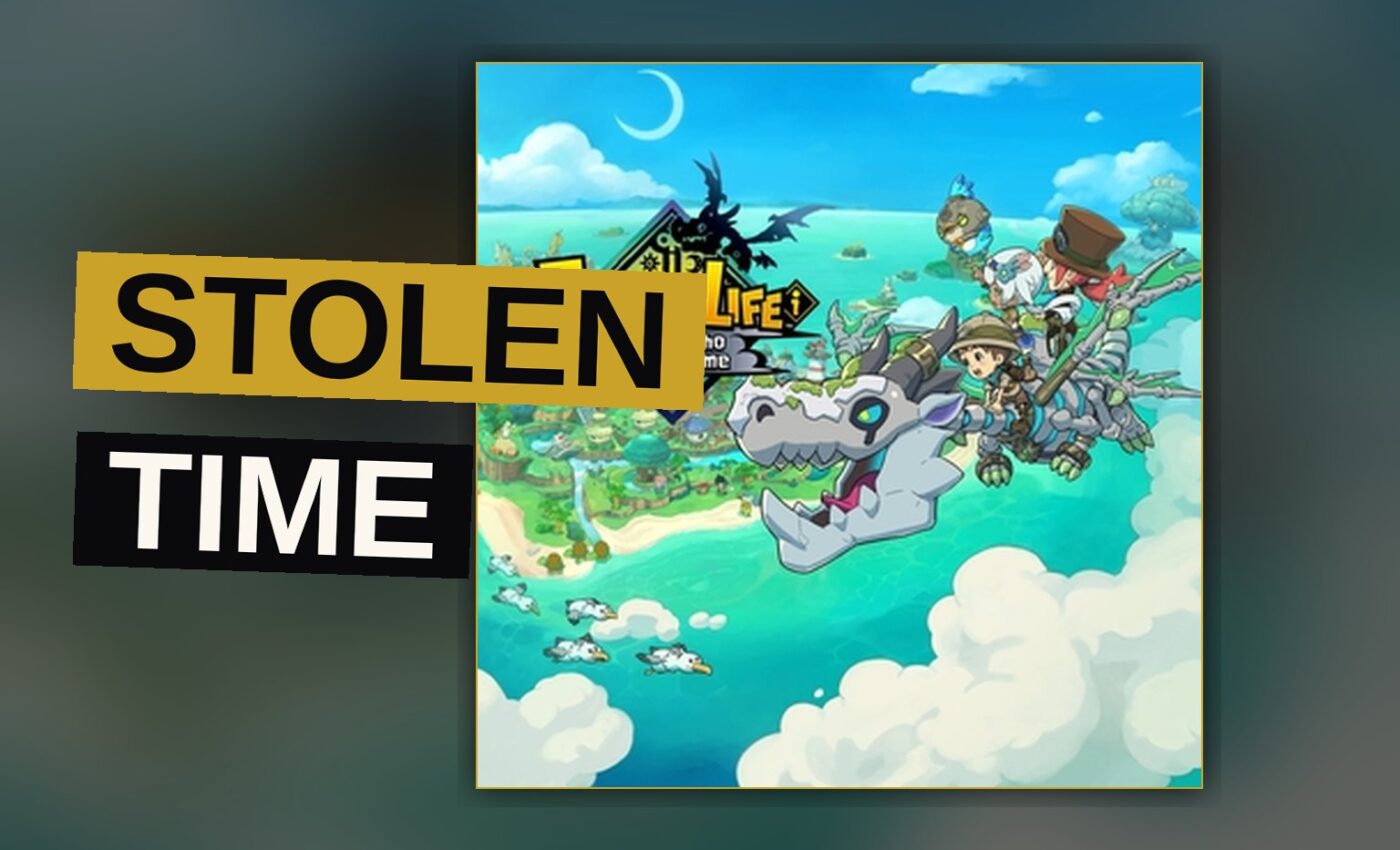
Fantasy Life i: The Girl Who Steals Time has landed on Switch, PS5 and PC, and the wait was worth it. The latest entry in Level-5’s life-sim game blends farming, crafting and combat with a time-bending story, and it holds an 8.5 out of 10 score on OpenCritic.
Trailer, via LEVEL5ch【公式】.
The Girl Who Steals Time
The story follows a mysterious girl tied to an event that changes the game’s world through time itself. Players build a character, pick a “Life” — a job class like Knight, Woodcutter or Cook — and move between them freely as they explore. That freedom is the center of the pitch. Nothing locks players into one path for long.
The girl herself remains at the heart of the mystery. Her presence pulls the story forward even as players wander off to fish, cook or fight. The time-travel frame gives every side activity a quiet sense of purpose, since the world shifts around the player as the plot moves.
Life Choices
Fantasy Life i: The Girl Who Steals Time lets players switch Lives at will, mixing combat classes with crafting and gathering roles. One session might mean digging for metal and cooking dinner. The next might mean fighting monsters with a sword. The variety keeps the loop from growing dull.
Progress in one Life often feeds into another, since crafted gear and gathered materials support combat builds. A player who spends an afternoon farming might find that same afternoon paying off later in battle, once the crops turn into meals that raise stats. This back-and-forth keeps players moving between systems rather than settling into just one.
The system rewards curiosity. Trying a new Life costs nothing, and the game pushes players toward roles they might otherwise pass over. A player who starts as a Cook may find themselves drawn into fishing to gather fresh ingredients, which then leads to exploring new waters and new fights.
Across Platforms
Fantasy Life i: The Girl Who Steals Time runs on Switch, PS5 and PC. I played the game on Switch, where the handheld form suits its slower, wandering pace well. The Switch version holds up without major drops in performance during my time with it.
I cannot speak to how the PS5 or PC builds compare, since I did not test those versions directly. The game’s art style is bright and clean, and it does not appear to demand heavy power to look its best. That suggests the other versions likely run fine, though this is only an impression from the look of the game, not a tested result.
The design philosophy is clear from the start: the game trusts players to find their own way through its world, and that trust pays off in how naturally the systems connect.
Time and Its Cost
The time-travel story gives Fantasy Life i: The Girl Who Steals Time a stronger pull than earlier entries in the series. The girl at the center of the plot carries a weight tied to changing time, and the story builds around what that costs her and the world around her. The mystery deepens as players learn more about her past and the event that set the plot in motion.
Pacing stays steady throughout. The game does not rush its reveals, letting the mystery around the girl unfold slowly alongside the life-sim systems. There is room to breathe between plot beats. Players can step away from the main story to spend a day fishing or building furniture, then return to the mystery without losing the thread.
The story’s feeling core rests on the girl’s sacrifice. She gives up something important to change time, and the game does not hide that cost from the player. This gives the wandering sections a weight they might otherwise lack, since every hour spent away from the plot still feeds back into the world she is trying to save.
Crafting and Combat
Combat in Fantasy Life i: The Girl Who Steals Time stays simple and easy to pick up, built for players who came for the crafting and farming as much as the fighting. Boss fights raise the stakes without demanding mastery of complex systems. The fighting is not the main draw, but it does not get in the way either.
Crafting ties directly into exploration. Materials gathered in the field feed into gear upgrades, which then open new areas. The loop is familiar to anyone who has played earlier games in the series. It does not try to build something entirely new. Instead, it takes the same pieces and puts more care into how they fit together.
That care shows most in how the Lives connect to one another. A Woodcutter’s load might become a woodworker’s goods, which might then fit into a house built by a player working as a Smith. Each role feeds the next, and the game makes those links clear without forcing them.
The gathering roles get special attention. Digging for metal, chopping wood and picking herbs all feel distinct, with their own rhythms and rewards. A player who enjoys one gathering Life will likely find the others just as satisfying.
Numbers Behind the Game
- Title: Fantasy Life i: The Girl Who Steals Time
- Platforms: Switch, PS5, PC
- Genre: Life-sim role-playing game
- Score: 8.5 of 10 (OpenCritic)
The 8.5 score stands as a strong mark for the series. It reflects the game’s balance of systems, story and pace. No comparison to other entries in the franchise is drawn here, as the series’ score history is not part of this review.
What Comes Next
Fantasy Life i: The Girl Who Steals Time succeeds by giving players room to set their own pace. Whether that means following the main story or losing hours to fishing and cooking, the systems support both without friction. The game earns its 8.5 of 10 score by improving a familiar formula rather than building a new one, and by wrapping it in a story that carries more weight than the series has carried before.
Players looking for a long game with room to wander will find one here. Those looking for a tight, focused story may find the wandering gets in the way. Either way, the girl and her stolen time are the reason to stay.
“Nothing locks players into one path for long.”
That line sums up the design philosophy from the opening of this review. The game trusts players to find their own way through its world, and that trust pays off in how naturally the systems connect.
Get the Notebook.
The day's best stories and every fresh verdict, in plain English, in your inbox by seven. One email a day, no more.