
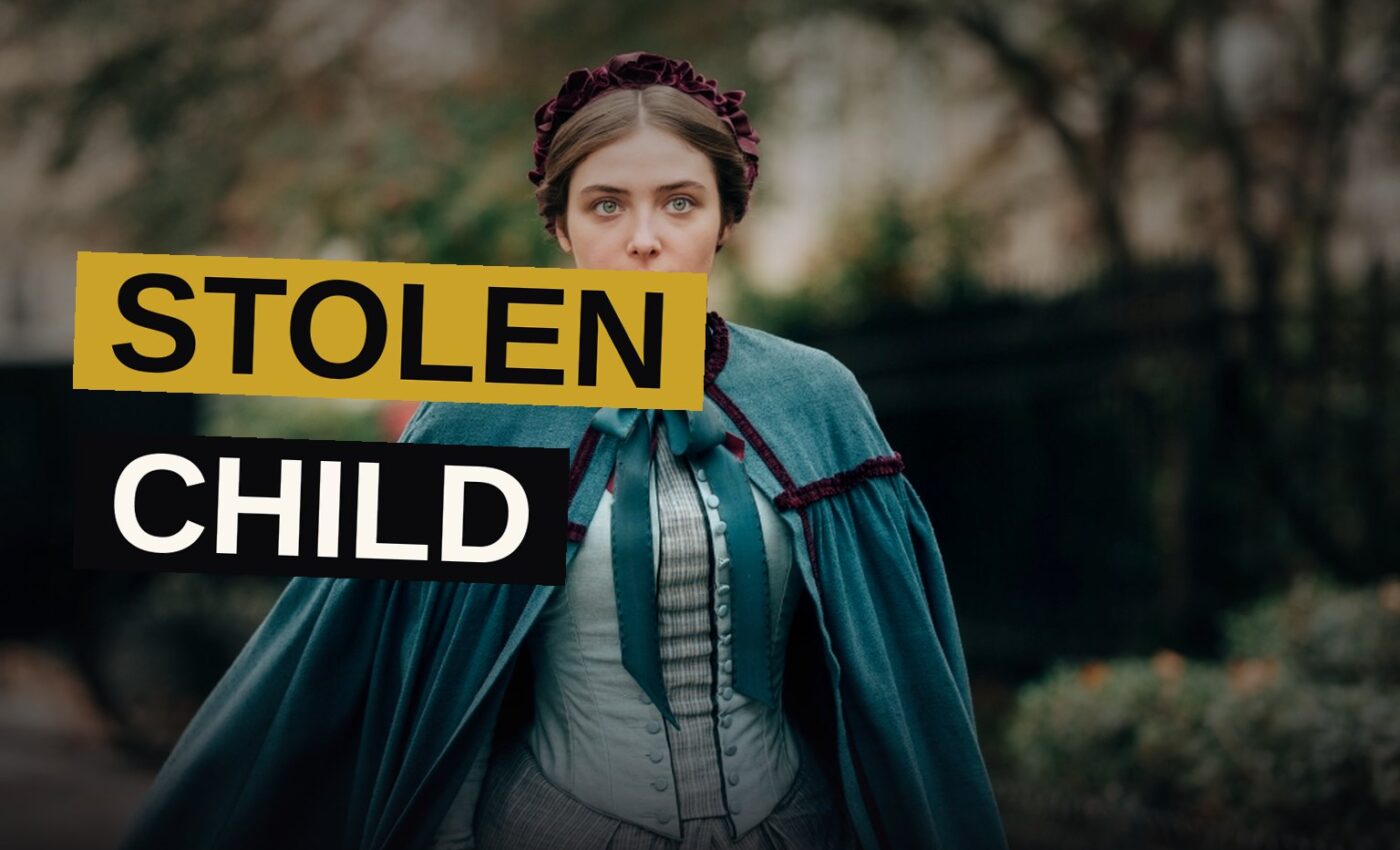
A family story from the little-known French region of Morvan became the seed of a new period thriller. Vincent Robert’s great-grandmother worked as a wet nurse. His grandfather was a “Petit Paris,” a child abandoned in Paris and sent to rural families in Morvan. That personal history now anchors “Swapped,” a six-part series co-written with Alexandra Echkenazi and produced by Christelle de Bourbon Busset. France TV Distribution is showing the series at the Unifrance Rendez-vous, ahead of its appearance at La Rochelle Fiction Festival later this year.
From Family Memory to Series
Robert did not plan to make a show about wet nurses. The idea came from Echkenazi. “It was Alexandra’s idea to turn the story of these wet nurses from Morvan into a TV series, something which had never occurred to me,” Robert recalls. He had looked into his own past and learned more about the customs, but the series form was new to him.
Echkenazi says she knew little before speaking with Robert. “I knew nothing of these customs before discussing them with Vincent,” she adds. “Sure, I had learned about wet nursing and the fact that these women were coming from outside Paris, but I had no idea they were all coming from the same region.”
The story centers on Rose, played by Lula Cotton-Frapier. She leaves her rural home to become a wet nurse for a bourgeois family in late 19th century Paris. There she meets Odette, played by Barbara Probst, who warns Rose that she will not be allowed to keep her own child. Rose then takes a dangerous path: she secretly exchanges her baby with the child of Hélène de Gersande, played by Alexia Giordano, a mother grieving the sudden loss of her infant.
A Story About Power and Bodies
Echkenazi saw a modern theme in the historical setting. “Beyond the historical aspect of this story, it also puts to the spotlight the difference between social status and class, but also how much the female body was exploited and controlled during these times, whatever social status you had.”
“I’ve always been interested in the way women bodies carry other women bodies in our societies.”
The writers and producer moved fast. De Bourbon Busset, whose credits include “HP” and “Cheyenne & Lola,” worked with Belgian directors Savina Dellicour and Vania Leturcq. The pair had worked together on “Pandora.” “I fell in love with ‘Pandora,’ and we were discussing another project at the same time, which unfortunately didn’t get greenlit, but that allowed me to pitch them this idea.”
Leturcq and Dellicour said yes, but they also felt the weight of the task. A premium, limited period drama demands high budgets and careful work. What pulled them in was the modern, female-driven story.
Leturcq put it plainly. Wet-nursing is gone from France today, she notes, but childcare still falls on women, whether as paid work or as parenting.
Why the Directors Signed On
Dellicour said the writing itself won her over. “Reading Vincent and Alexandra’s scenario, the writing really convinced us as well,” she adds. “Personally, I always wanted to do a period drama, I just didn’t think it would happen because of the high budgets required by the genre. But beyond that, the script featured very colorful, frustrating-yet-powerful scenes that resonated with us. Feelings of revolt and outrageous stories about how women were treated as cattle make for a strong narrative drive.”
The series plays on two levels at once. It is a period piece, but it also works as a thriller. The plot is character-driven and complex, following three women from different backgrounds who must join forces to claim their freedom in a world run by men.
That mix helped bring in a broadcaster. “It’s also what got France Télévisions on board so quickly,” de Bourbon Busset recalls. She also mentioned that a global streamer showed strong interest and loved the first episode, but backed out for slate reasons. Still, she said, that interest shows how the stories of Rose, Odette and Hélène can reach a wide audience.
Building a Modern Look
The period setting was both a limit and a chance to break rules. Dellicour described the approach to design. “Each element in our sets had to be carefully thought through, which forced us to think of them as painting,” she adds. “Against period clichés, we purposefully chose bright, vivid colors and made distinct creative choices, as we wanted to achieve a modern, cinematic, premium look.”
| Element | “Swapped” Choice |
|---|---|
| Color | Bright, vivid colors |
| Set work | Carefully composed, painterly |
| Look | Modern, cinematic, premium |
| Story tone | Character-driven thriller |
The team says France Télévisions fully accepted the unusual form and the gritty, modern take on history.
The Baby Problem
Production came with a specific hurdle: infants. “In France, it’s illegal to shoot with babies younger than three months,” de Bourbon Busset explains. The crew shot some scenes in Belgium to get around that rule. They also used resin puppets and VFX to compose shots.
The producer was direct about the cost of that work. “But I think I speak for everybody when I say we won’t work with babies again anytime soon!”
A Warm Set
Despite the difficulty, the shoot had a good atmosphere. The directing pair praised the cast and crew. “From our cast to our behind-the-camera team, everyone invested themselves completely in the project,” they said. They pointed to a specific moment that set the tone.
“Lola especially became friends with everyone. On the first day of shooting, even if she wasn’t on the call sheet, she came and brought cake to everyone. This set the tone for our collective journey onward.”
The Road Ahead
“Swapped,” also known as “Sorority,” is now being highlighted by France TV Distribution at the Unifrance Rendez-vous. It will head to La Rochelle Fiction Festival later this year.
De Bourbon Busset still hopes to get back her investment. Even so, she called the experience exceptional and utterly rare. The series brings together three women from very different backgrounds, bound by a secret exchange and a shared fight for freedom.
Source: variety.com
Get the Notebook.
The day's best stories and every fresh verdict, in plain English, in your inbox by seven. One email a day, no more.