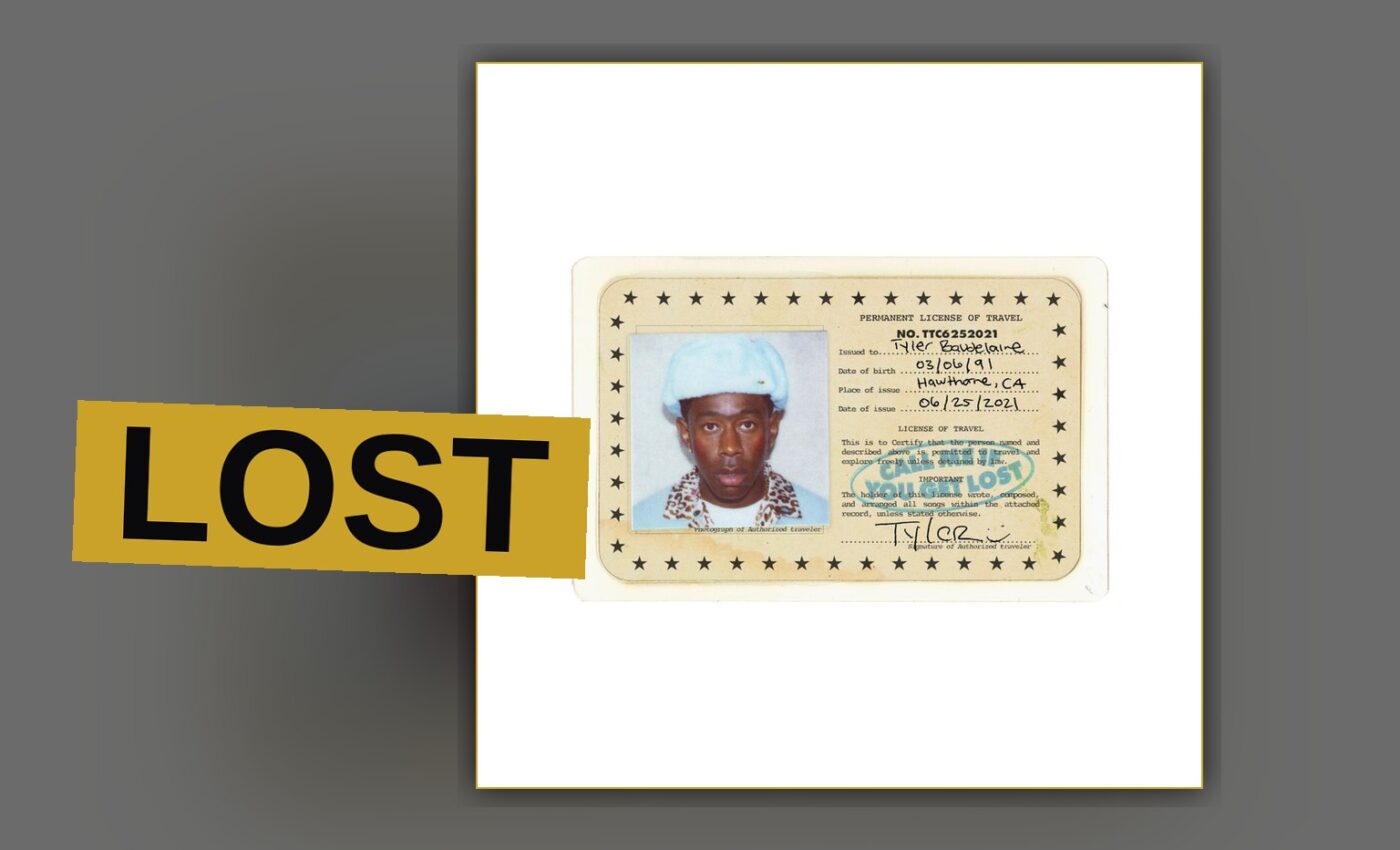
Tyler, The Creator built Call Me If You Get Lost around a persona and a promise: a wide-ranging rap record that refuses to sit still. The album runs 52 minutes across 16 tracks, and it moves through soul, jazz and pop without losing its rap base. The Independent called it “the apotheosis of all Tyler’s past works,” and that reads less like praise for its own sake than like a fair summary of what’s on tape here.
Sir Baudelaire Sets the Scene
Sir Baudelaire opens the record at 1:29, a scene-setter rather than a full song, and it hands off cleanly into Corso, where Tyler raps with the same sharp confidence that defines the record’s best stretches. Lemonhead and Wusyaname keep the energy loose and melodic, the latter built around a hook that could live on the radio without losing any edge. Lumberjack turns back toward bravado, all noise and swagger, before Hot Wind Blows eases into something warmer and more textured.
Massa runs longer, at 3:44, and uses that space to shift tone mid-song, moving from quiet reflection to open boasting without a seam showing. Runitup follows at 3:50 and hits harder still, with horns and drums built up on top of each other until the whole track feels full to bursting. The record’s first half moves fast, but it never feels rushed; each song earns its own place in the order.
Manifesto and the Long Middle
Manifesto is where the album’s stakes get named directly, Tyler addressing his own history and how people have received his work. Then comes the record’s biggest swing: Sweet / I Thought You Wanted to Dance, a suite lasting 9:48 that splits into two distinct moods and never feels like it’s stalling out. Clash praised the album’s “refusal to be caged in by any set sound or genre,” and this track is the clearest proof of that claim.
It earns every one of its nearly ten minutes. Few rap albums of 2021 have made that kind of room for a single idea and filled it so well. The first half of the suite moves with a lighter touch, almost pop in its shape, before the second half slows down and lets Tyler work through a longer, more personal set of lines. The shift is not abrupt; it feels like a natural turn in a conversation.
Momma Talk Through Juggernaut
Momma Talk is short, a spoken piece rather than a song proper, and it works as a breath before the next stretch of the record. Rise! picks the tempo back up with a brighter, easier feel, built for dancing rather than for close listening. Blessed, under a minute long, works as a short note of thanks before Juggernaut brings the record back to full force with dense, busy production.
Juggernaut is the loudest the record gets, with a beat that stacks layers of sound on top of one another. It does not let up until the track ends. After that burst, the record shifts again, moving toward its longest and most personal piece.
Wilshire’s Long Story
Wilshire is the other main moment on the album, a track lasting 8:36 that tells a full story and lets Tyler write in plain first person about a real relationship. Pitchfork noted the album “grants him the freedom to play with tone, to write personally or use his gravelly voice as texture,” though on this song the voice itself matters less than the story it’s telling. Wilshire is the most direct writing on the whole record, and it holds up across its full length without a wasted line.
The track does not rely on a chorus or a hook. It simply moves forward, line after line, building a picture of a situation that feels specific and true. Tyler does not hide behind metaphor here; he names things plainly and lets the weight of the story carry the song. Safari closes things out at 2:58, a quieter close after the weight of the track before it.
Here is how the full record lays out, track by track:
| # | Track | Length |
|---|---|---|
| 1 | Sir Baudelaire | 1:29 |
| 2 | Corso | 2:26 |
| 3 | Lemonhead | 2:11 |
| 4 | Wusyaname | 2:02 |
| 5 | Lumberjack | 2:18 |
| 6 | Hot Wind Blows | 2:35 |
| 7 | Massa | 3:44 |
| 8 | Runitup | 3:50 |
| 9 | Manifesto | 2:55 |
| 10 | Sweet / I Thought You Wanted to Dance | 9:48 |
| 11 | Momma Talk | 1:11 |
| 12 | Rise! | 3:24 |
| 13 | Blessed | 0:58 |
| 14 | Juggernaut | 2:26 |
| 15 | Wilshire | 8:36 |
| 16 | Safari | 2:58 |
What the Running Order Shows
That table tells its own story. The two longest tracks, Sweet / I Thought You Wanted to Dance and Wilshire, sit at the heart of the album, and both are where Tyler takes the biggest risks with form. Everything built around them runs shorter and tighter, which lets those two long tracks breathe without the record ever running long or losing shape.
Call Me If You Get Lost does not sound like a rapper chasing one lane. It sounds like an artist who has built enough range to move between lanes at will and make every move land. The rough, mixtape-era rap base is still there, but it is dressed in soul horns, jazz chords and pop hooks that never feel bolted on.
This is Tyler’s most complete record to date, and it lines up with its Metacritic mark of 88 out of 100. The record holds together as a single statement, from the short opening scene to the long closing story, and it rewards a full listen from start to finish.
- SIR BAUDELAIRE1:29
- CORSO2:26
- LEMONHEAD2:11
- WUSYANAME2:02
- LUMBERJACK2:18
- HOT WIND BLOWS2:35
- MASSA3:44
- RUNITUP3:50
- MANIFESTO2:55
- SWEET / I THOUGHT YOU WANTED TO DANCE9:48
- MOMMA TALK1:11
- RISE!3:24
- BLESSED0:58
- JUGGERNAUT2:26
- WILSHIRE8:36
- SAFARI2:58