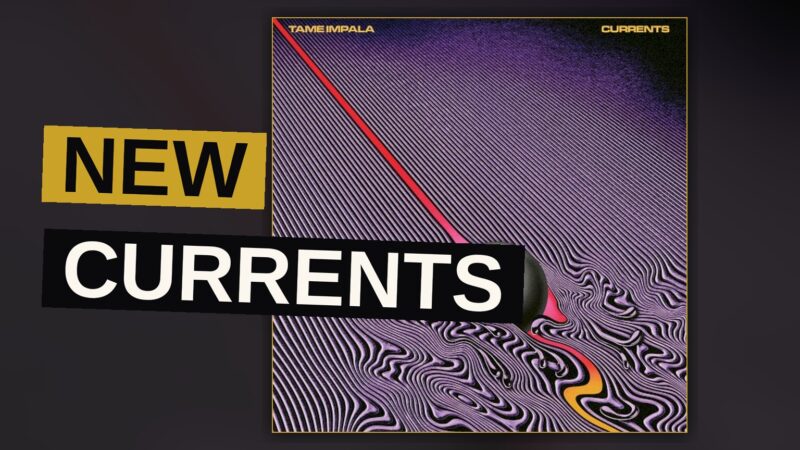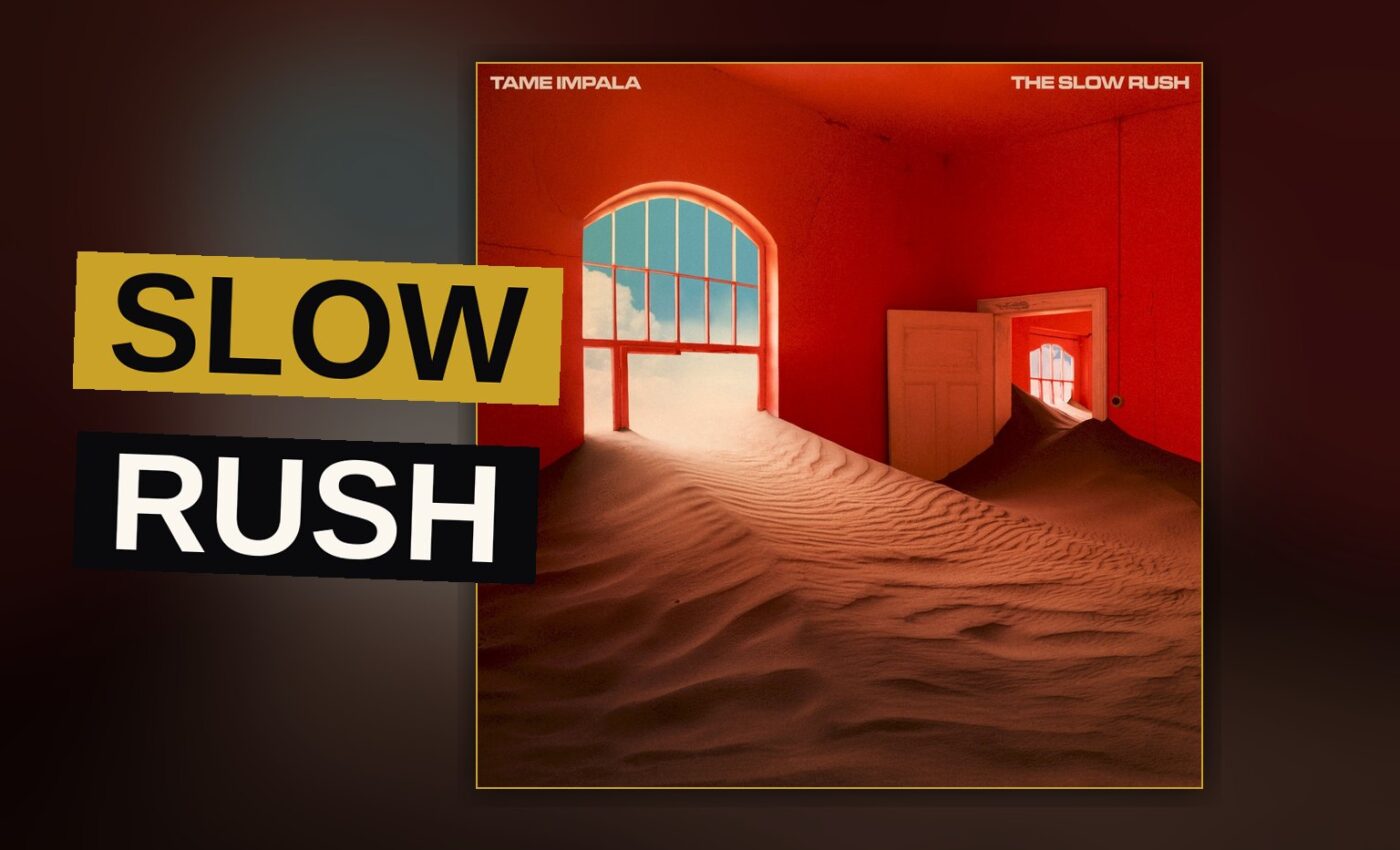
The Slow Rush is Tame Impala’s fourth album, and it is a deliberate pivot. Kevin Parker, the man who writes, records, and produces everything under the name, has traded the inward psychedelic haze of Currents for something brighter, tighter, and built for the dancefloor. The record runs 57 minutes across 12 tracks, and it is a flex of disco, funk, and pop muscle that still carries the emotional weight of Parker’s earlier work. It is not a reinvention; it is an expansion. On Metacritic, the album holds a score of 79 out of 100, a strong mark for a record that splits its time between introspection and pure groove.
The album opens with “One More Year,” a five-and-a-half-minute meditation on time and change that sets the tone. The track builds on a pulsing synth loop, with Parker’s layered vocals asking for patience. It is a slow burn, but it earns its length by establishing the record’s central tension: the fear of wasted time versus the joy of living in it.
Instant Destiny and the Opening Groove
“Instant Destiny” follows with a rush of brass and a chorus that feels like a wedding vow set to confetti. It is the most straightforward pop song Parker has written, and it works because it commits fully to its own giddiness. The lyrics about booking flights and making promises are simple, but the production is anything but. Every layer lands exactly where it should.
Then comes “Borderline,” the track that had already been released as a single and reworked for the album. The final version is cleaner than the early mix, with a steadier groove and a more confident vocal. It is a song about uncertainty in love, but the music never wavers. The bassline is the anchor, and Parker’s falsetto floats above it like a question that does not need an answer.
Posthumous Forgiveness and the Emotional Core
“Posthumous Forgiveness” is the emotional center of the record. At six minutes, it is one of the longest tracks on the album, and it splits into two distinct movements. The first half is a confessional to Parker’s late father, with lyrics that address abandonment and grief directly. The second half shifts into a prog-rock jam, all wah-wah guitars and rolling drums. It is a risky structure, but it pays off because the shift feels earned rather than forced. The anger and the resolution are both real.
“Breathe Deeper” is the track that critics kept circling, and for good reason. It is a six-minute groove that locks into a funk rhythm and refuses to let go. The song builds slowly, adding layers of percussion and synth until it reaches a peak that feels like a sunrise. It is the most danceable thing Parker has ever made, and it never feels cluttered. The restraint is the point.
“Tomorrow’s Dust” slows things down again, and it is the most atmospheric track on the record. The vocals are buried deep in the mix, and the melody drifts rather than pushes. It is a breather, but it is not filler. The song’s quiet beauty holds the album together before the back half picks up the pace.
On Track and the Back Half
“On Track” is a self-help anthem disguised as a pop song. Parker sings about staying the course and ignoring the doubters, and the music matches the message with a steady, uplifting chord progression. It is sincere without being saccharine, and it lands because Parker’s delivery sells the conviction.
“Lost in Yesterday” is the most immediate track on the record. The chorus is built on a simple, catchy hook, and the lyrics about nostalgia and memory are delivered with a lightness that masks their weight. It is the song most likely to get stuck in your head, and it earns that spot.
“Is It True” is a short, punchy funk number that feels like a palette cleanser. The bass is front and center, and the song moves with a skittering energy that contrasts with the slower tracks around it. It is not a standout, but it keeps the album moving.
“It Might Be Time” is the darkest moment on the record. The lyrics are about anxiety and the fear that your best days are behind you, and the music matches that dread with a tense, driving beat. It is a reminder that Parker is still capable of the kind of unease that defined his earlier work, even when the production is glossier.
Glimmer and the Short Interlude
“Glimmer” is the shortest track on the album at just over two minutes. It is a fragment, a snippet of synth and voice that feels like an interlude rather than a full song. It does not overstay its welcome, and it sets up the finale.
One More Hour and the Closing Epic
“One More Hour” closes the record with a seven-minute epic that mirrors the opener. It is a song about the end of a relationship and the acceptance that comes with it. The first half is sparse and vocal-driven, but the second half builds into a sprawling instrumental coda that feels like a release. It is the most ambitious track on the album, and it lands.
“This is a 57-minute flex of every musical muscle in Parker’s body.” — NME
The album does have a weakness. At 57 minutes, it runs long, and the middle section between “Tomorrow’s Dust” and “It Might Be Time” can feel like it is treading water. The hooks are not as immediate as the ones on Currents, and some tracks rely on atmosphere over melody.
But Parker’s production is so meticulous that even the lesser moments are worth hearing.
- “Breathe Deeper” — the best track on the record, a perfect groove.
- “Posthumous Forgiveness” — the emotional peak, ambitious and earned.
- “Borderline” — a reworked single that improves on the original.
- “Lost in Yesterday” — the catchiest hook Parker has written.
- “One More Hour” — a sprawling closer that sticks the landing.
The Slow Rush is not a perfect album, but it is a confident one. Parker has moved his sound forward without losing the emotional core that made him a cult figure. The disco and funk influences are not a gimmick; they are a natural extension of his songwriting. The record rewards repeat listens, and the best tracks stand alongside anything in his catalog.
Critical consensus was broadly positive, with reviewers praising the album’s lush, meticulously crafted production and Parker’s shift toward disco, funk, and dancefloor-ready pop. Many called it emotionally rich and confessional, even as some felt it ran long or lacked the standout hooks of Currents.
My own verdict matches that split: the record’s ambition is real, but its length tests patience in the middle stretch. For a musician who has spent a decade refining his craft, that is a strong place to be. The Slow Rush is the sound of an artist who knows exactly what he is doing, and it is a pleasure to hear him do it.
Get the Notebook.
The day's best stories and every fresh verdict, in plain English, in your inbox by seven. One email a day, no more.
- One More Year5:22
- Instant Destiny3:14
- Borderline3:58
- Posthumous Forgiveness6:06
- Breathe Deeper6:13
- Tomorrow’s Dust5:27
- On Track5:02
- Lost in Yesterday4:10
- Is It True3:58
- It Might Be Time4:33
- Glimmer2:09
- One More Hour7:13