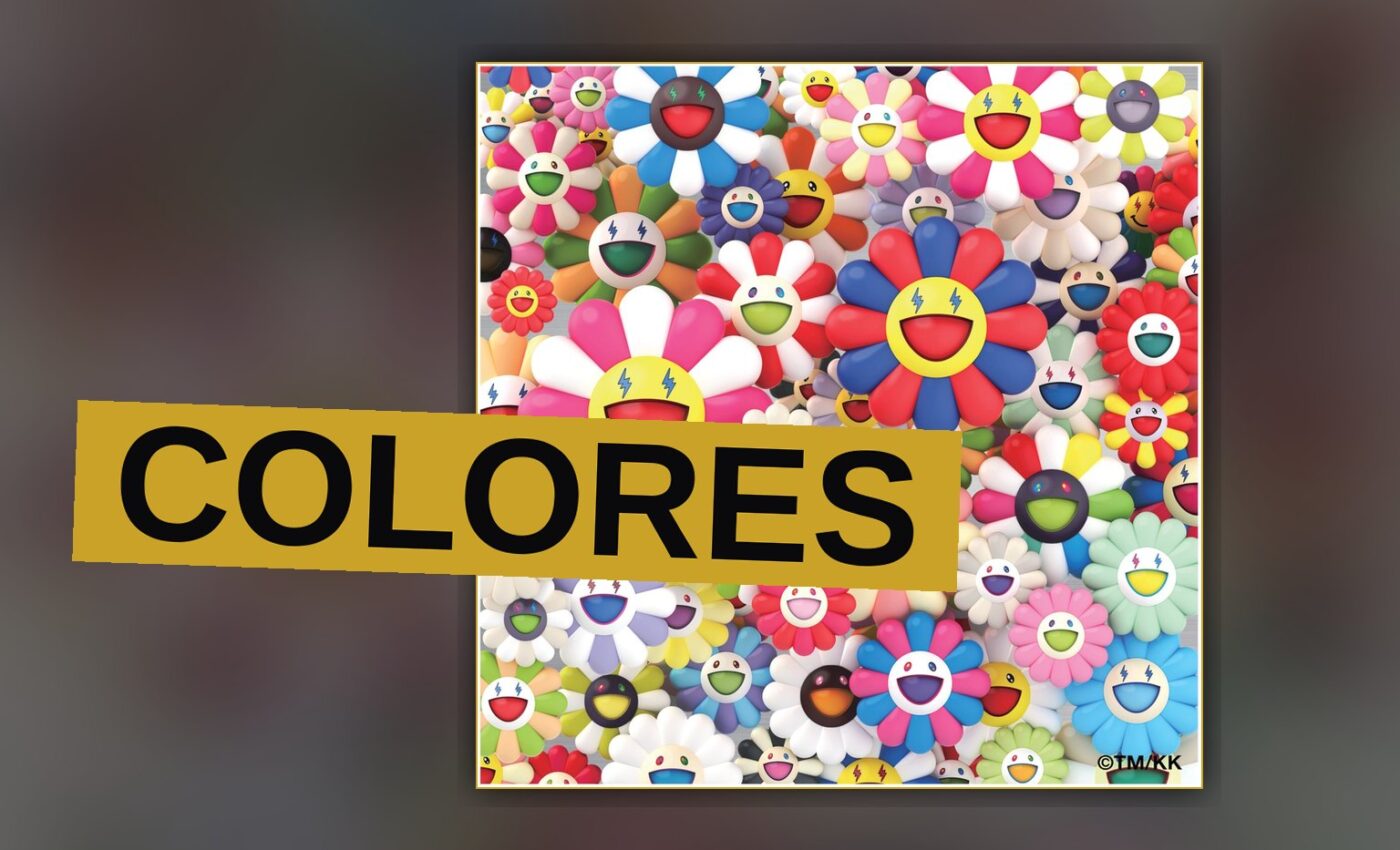
J Balvin’s Colores is a concept album built on a spectrum. Each of its ten tracks is named after a color, and each arrived with its own music video, turning the release into a rolling visual campaign. The record is an attempt to move past the constraints of a typical reggaetón album, aiming for something cohesive and immersive rather than a simple collection of club singles.
The production is bright and meticulous, polished and melodic. It is not a record of lyrical confessionals or deep storytelling.
Colores thrives on mood, texture, and rhythm.
Amarillo and Azul
The album opens with “Amarillo,” a track that sets the tone with a warm, sunlit groove. It is an immediate earworm, establishing the record’s sonic identity without wasting a second. The beat is bouncy, the melody is sticky, and it works as a perfect entry point.
“Azul” follows with a cooler, more atmospheric feel. It is one of the standout moments, showing a more introspective side of Balvin’s sound while keeping the energy up. The track has a smoothness that makes it feel like a late-night drive.
Rojo and the Mid-Album Stretch
“Rojo” is the fiery centerpiece of the early run. It is urgent, percussive, and direct, leaning into the passion of its title. This is one of the strongest cuts on the album, a track that feels both immediate and carefully constructed.
“Rosa” and “Morado” come next, and together they represent a dip in momentum. They are pleasant enough, maintaining the colorful aesthetic without pushing it anywhere new. “Rosa” is sweet and light, while “Morado” has a darker, moodier pulse, but neither lands with the same impact as the tracks around them.
Verde and Negro
“Verde” is a short, sharp burst of energy. It does not overstay its welcome, offering a quick jolt that keeps the record moving. It is efficient and functional.
“Negro” is where the record gets its most interesting. It is darker, more minimal, and carries a weight that the brighter tracks do not. This is Balvin exploring a more serious register, and it pays off. The track stands out as one of the most memorable on the album.
Gris and Arcoíris
“Gris” is the album’s quietest moment. It is muted, subdued, and fittingly gray. It does not offer much in the way of hooks, but it serves as a necessary breather before the finale.
“Arcoíris” is the conceptual payoff. The rainbow track ties the whole idea together, blending elements of the previous colors into a single, celebratory piece. It is a smart penultimate statement that sets up the record’s final move.
Blanco and the Final Shape
“Blanco” closes the album with a clean, minimal finish. It is a simple, stripped-back outro that lets the record end on a note of clarity rather than excess. It is not a big finale, but it does not need to be.
Colores is a record that understands its own limits. It is not trying to be a lyrical masterwork. The production is consistently vibrant, the concept is executed with discipline, and the best tracks — “Rojo,” “Negro,” “Azul” — are as strong as anything Balvin has released.
The Weak Points
The mid-album stretch of “Rosa” and “Morado” feels like filler. The overall repetitiveness of the formula means the record works better as a mood piece than as a collection of individual hits. But as a cohesive statement, it succeeds.
| Track | Role | Verdict |
|---|---|---|
| “Amarillo” | Opening statement | Strong start |
| “Rojo” | Early peak | One of the best |
| “Negro” | Dark turn | Most interesting |
| “Arcoíris” | Penultimate payoff | Smart setup |
| “Blanco” | True closer | Clean finish |
| “Rosa” / “Morado” | Mid-album lull | Pleasant but forgettable |
Where It Lands
The album is a success on its own terms. Balvin has built a world here, one that is easy to enter and easy to enjoy. It might not offer much depth, but it does not need to. It is a vibrant, well-made pop record that knows what it is.
- The concept is executed cleanly, with each track earning its color.
- The production is consistently bright and polished.
- The strongest tracks — “Rojo,” “Negro,” “Azul” — are highlights of Balvin’s career.
- The weaker tracks, like “Rosa” and “Morado,” do not ruin the flow but do not add much.
- The album is best experienced as a whole, not as a singles collection.
Colores is one of J Balvin’s strongest projects to date. It is not perfect, but it is confident, cohesive, and fun.
Get the Notebook.
The day's best stories and every fresh verdict, in plain English, in your inbox by seven. One email a day, no more.
- Amarillo2:38
- Azul3:26
- Rojo2:31
- Rosa3:10
- Morado3:20
- Verde2:23
- Negro3:02
- Gris2:57
- Arcoíris3:07
- Blanco2:25