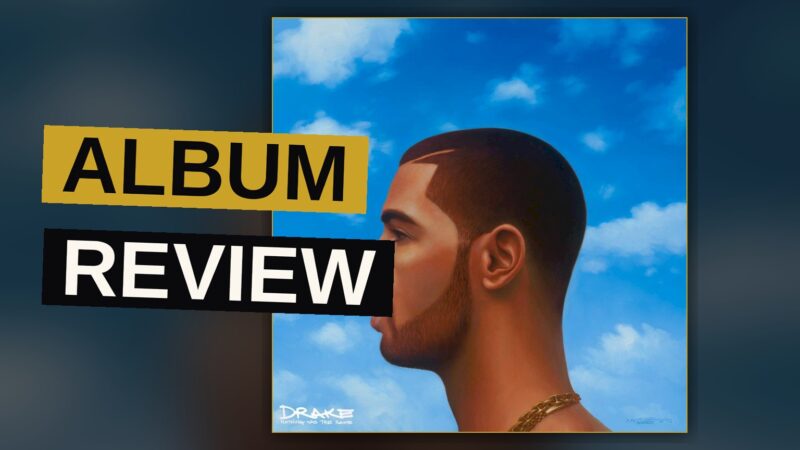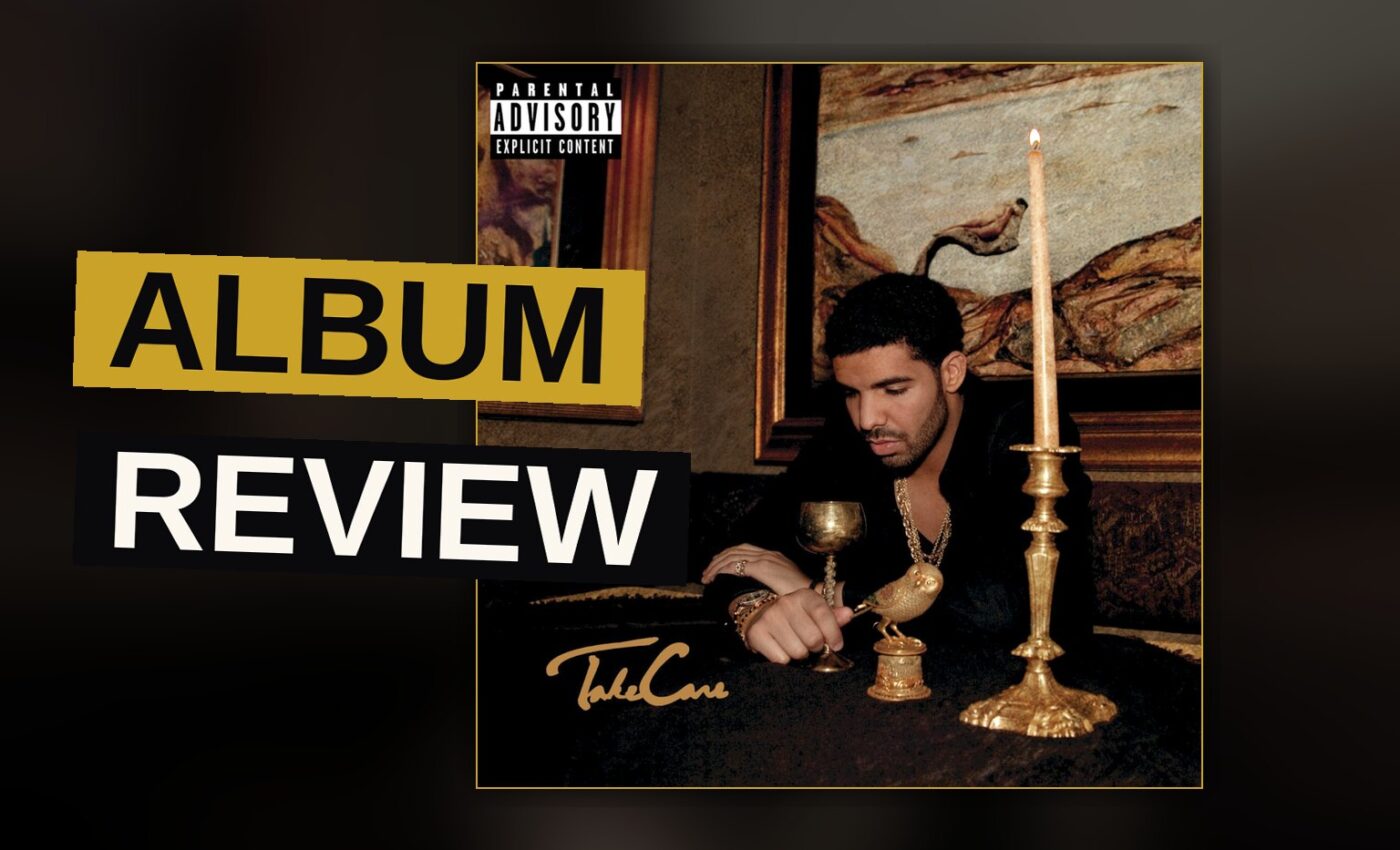
Take Care is the album where Drake stopped being a rapper who sang and became a genre. Released in 2011 as his second studio album, it is a long, 17-track record that splits the difference between hip-hop and R&B so completely that nearly every melodic rap record since has had to answer to it. The album is not trying to prove Drake can rap, though he can. It is trying to prove that vulnerability, isolation and muted luxury are as compelling as any street narrative. It succeeds, and it changed the game in the process.
The record opens with “Over My Dead Body,” a slow, piano-led confession that sets the tone for everything that follows. Drake is not performing toughness; he is performing exhaustion, fame and the quiet paranoia that comes with both. The track is a mission statement: this is an interior album, and the interior is not pretty.
Over My Dead Body to Headlines
“Shot for Me” follows, and it is one of the album’s most understated cuts. It is a breakup song built on a sparse beat, and Drake’s delivery is more wounded than angry. The track earns its place because it refuses to escalate. It stays low, and that restraint is the point.
“Headlines” is the first real single and the first moment the album flexes. The beat is brighter, the hook is bigger, and Drake’s bars are sharper. It is the track that announced the album’s arrival, and it still holds up as one of his most confident performances. It is not the deepest song here, but it is the most direct.
Crew Love to Lord Knows
“Crew Love” is where the album starts to breathe. The hook is ghostly and nocturnal, and Drake’s verse is about loyalty and the cost of it. The production, all haze and echo, matches the mood. It is a standout, and it is easy to see why critics singled it out.
The title track, “Take Care,” is the album’s emotional center. The song is a plea, a promise and a warning all at once, and it is the clearest statement of Drake’s hybrid approach: he raps, he sings, he mumbles, he soars. It is a track critics singled out, and it stands as the clearest proof of the album’s ambition.
“Marvins Room / Buried Alive Interlude” is the most ambitious thing here, and it is also the strangest. The first half, “Marvins Room,” is a late-night drunk-dial anthem that became a cultural moment on its own. The second half, “Buried Alive Interlude,” is a guest verse over a skeletal beat. The two halves do not obviously connect, but together they show the range of the album: one is about isolation in a crowd, the other about isolation in a career. It runs long, and it earns every second.
“Under Ground Kings” is a darker, more aggressive track. It is about the grind before the fame, and Drake’s delivery is more urgent than anywhere else on the record.
“We’ll Be Fine” follows, and it is a lighter, more celebratory cut, though it does not hit as hard as what surrounds it.
“Make Me Proud” is a flex track, pure and simple. It is fun, but it is not essential.
“Lord Knows” closes the middle stretch with a gospel-tinged beat. It is a victory lap, and it works, though it is more conventional than the album’s best moments.
Cameras to The Ride
“Cameras / Good Ones Go Interlude” is another split track, and it is one of the album’s most underrated pieces. The first half is about the gap between public image and private pain. The second half is a brief, aching interlude about a relationship that did not survive. Together, they are a small masterpiece of mood.
“Doing It Wrong” is a ballad, and it is one of the most direct emotional statements Drake has ever recorded. The beat is minimal, the hook is simple, and the song is about a breakup that neither party can fully process. It is not flashy, but it is devastating.
“The Real Her” is a slow, sensual track about a complicated attraction. It does not reach the heights of the album’s best songs, but it holds its own.
“Look What You’ve Done” is the other track critics singled out, and it is easy to see why. It is a letter to Drake’s family, and it is the most personal song on the record. The production is warm, the verses are specific, and the emotion is unguarded. It is a quiet standout.
HYFR and Practice
“HYFR (Hell Ya Fuckin’ Right)” is the album’s most playful moment. It is a celebration, and it works as a palate cleanser after the heavy middle section. The track’s title is explicit, but its mood is light. It is a party song that does not take itself seriously, and that is exactly what the album needs at this point.
“Practice” is a rework of an older track, and it is a fun, lightweight closer to the main sequence. It is not essential, but it is not filler either. It keeps the energy up before the album turns inward for its final statement.
“The Ride” closes the album, and it is a fitting end. It is a slow, brooding track about the cost of success. The song does not resolve anything; it just sits in the feeling. It is the right way to end an album this introspective.
The Running Order
| # | Track |
|---|---|
| 1 | Over My Dead Body |
| 2 | Shot for Me |
| 3 | Headlines |
| 4 | Crew Love |
| 5 | Take Care |
| 6 | Marvins Room / Buried Alive Interlude |
| 7 | Under Ground Kings |
| 8 | We’ll Be Fine |
| 9 | Make Me Proud |
| 10 | Lord Knows |
| 11 | Cameras / Good Ones Go Interlude |
| 12 | Doing It Wrong |
| 13 | The Real Her |
| 14 | Look What You’ve Done |
| 15 | HYFR (Hell Ya Fuckin’ Right) |
| 16 | Practice |
| 17 | The Ride |
The Critical Reception
Take Care received strong reviews on release. Metacritic, which aggregates critical opinion, reports a score of 78 out of 100. That number reflects a broad consensus: critics and retrospective sources treat the album as a genre-defining, highly influential work that captured Drake’s singing-rapping hybrid and emotional vulnerability at their peak.
The album’s critical standing has only grown with time. Its blend of singing and rapping, its production style, its emotional register — all of it has been copied, adapted and absorbed by a generation of artists. The album did not just capture a moment; it created a template.
The album is a long listen. But it is a dense one, and the length is part of the point. Drake is not rushing anywhere.
He is sitting in the feeling, and he expects you to sit with him.
A Genre-Defining Record
Take Care is a genre-defining record that captured its moment and then outlasted it. It is not a perfect album, but it is a definitive one. It is the sound of an artist finding his voice and then using it to reshape the entire field.
The record rewards repeated listens, and it will be studied for years to come. Drake has made bigger records, flashier records and more commercially successful records. He has never made a better one.
Get the Notebook.
The day's best stories and every fresh verdict, in plain English, in your inbox by seven. One email a day, no more.
- Over My Dead Body4:33
- Shot for Me3:45
- Headlines3:26
- Crew Love3:29
- Take Care4:37
- Marvins Room / Buried Alive Interlude8:15
- Under Ground Kings3:32
- We’ll Be Fine4:08
- Make Me Proud3:36
- Lord Knows5:08
- Cameras / Good Ones Go Interlude7:15
- Doing It Wrong4:25
- The Real Her5:21
- Look What You’ve Done5:02
- HYFR (Hell Ya Fuckin’ Right)3:27
- Practice3:58
- The Ride5:51