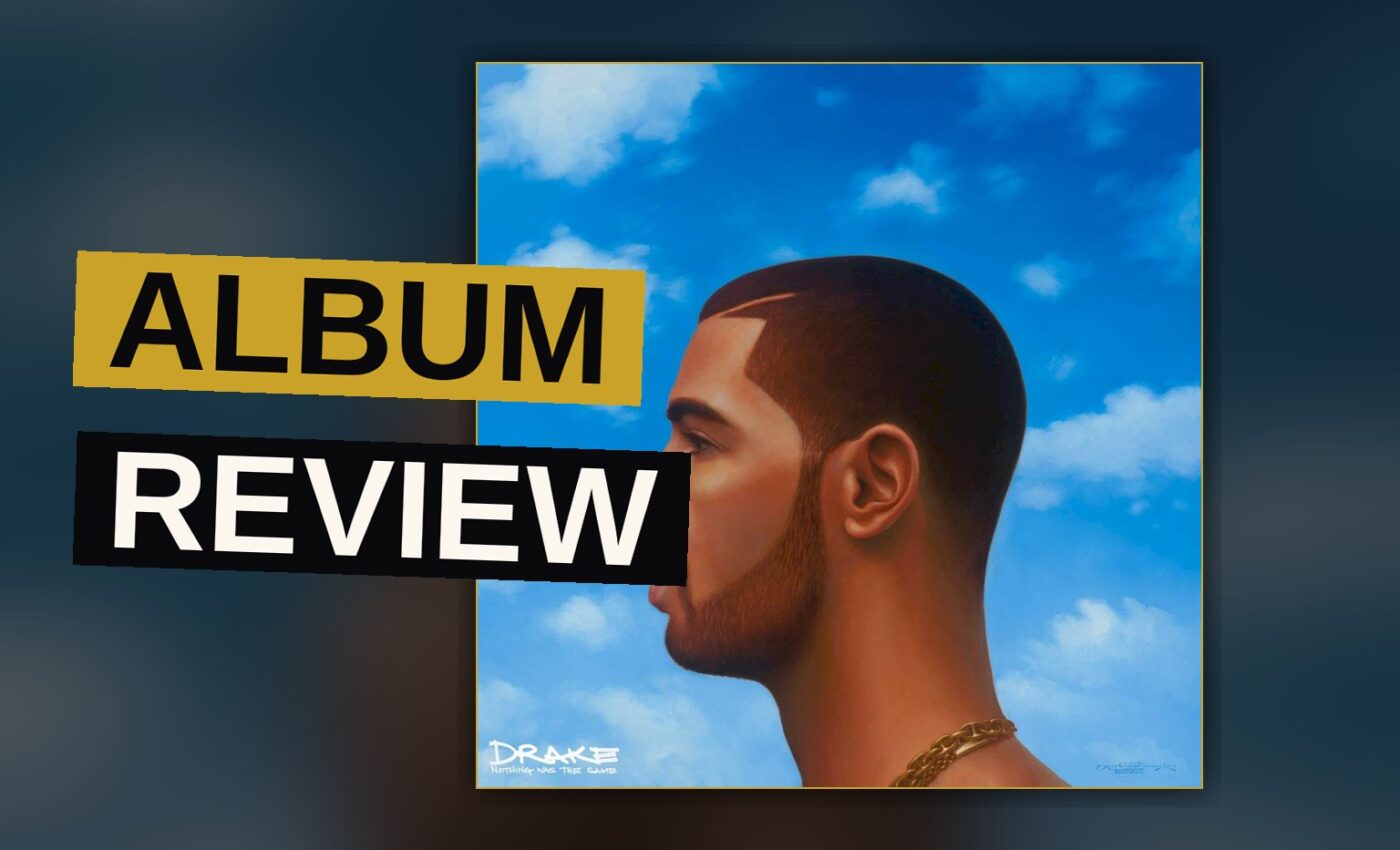
Drake’s third studio album, Nothing Was the Same, is a document of a man who has everything and is still figuring out what to do with it. Released in 2013, the record does not try to reinvent the sound that made him a star. It tries to perfect it. Across its tracks, Drake doubles down on the moody, introspective rap that defined his prior work, trading some of that pop gloss for a darker, more insular atmosphere. The title suggests change; the music suggests consolidation.
This is not an album of grand gestures or radical departures. It is an album of small refinements. Drake’s production builds a world of sparse piano lines, hushed drums, and off-kilter vocal samples. Into that world, Drake pours his usual obsessions: fame, distrust, family, and the specific loneliness of being the most successful person in the room.
Critics at the time heard it as a confident, moody continuation of his established style. Rolling Stone’s review called it a brilliant summation of everything fans already loved about Drake, while noting it offered little evolution from his prior work. That tension — between mastery and stasis — is the whole story of the record.
Tuscan Leather to Started From the Bottom
The album opens with “Tuscan Leather,” a six-minute statement of intent. Drake raps over a beat that shifts twice, moving from a soulful loop into a sparse, percussive groove. He spends the track addressing his critics, his peers, and his own legacy. The track is dense, self-assured, and a little exhausting. It works because Drake sounds like he believes every word.
“Furthest Thing” follows with a split personality. The first half is a slow, vulnerable confession about anxiety and paranoia. The second half snaps into a harder, more aggressive cadence. It is the album’s clearest example of Drake’s range in a single song.
Then comes “Started From the Bottom,” the hit single that had already dominated radio for months before the album dropped. In context, it plays differently. On its own, it is a triumphant anthem. Inside the album, it sounds like a mission statement. The production is lean and almost grim. It is less a celebration than a reminder.
Wu-Tang Forever to Worst Behavior
“Wu-Tang Forever” is the track where Drake wears his influences on his sleeve. It samples Wu-Tang’s work and borrows its title from a 1997 release. It is a deeply self-aware piece of nostalgia, with Drake rapping about old relationships and old dreams, layering his own history over the ghost of hip-hop’s golden age. It is a clever move, and it lands.
“Own It” is a quieter, more atmospheric piece. It drifts on a hazy beat, with Drake singing more than rapping. The track is about possession — of a woman, of a lifestyle, of a moment — but the mood is detached. It is not a standout, but it sets the tone for the album’s middle stretch.
“Worst Behavior” is the opposite. It is one of the most aggressive tracks Drake has ever recorded. The beat is minimal, almost skeletal, and Drake attacks it with a snarling delivery. He addresses family grievances and industry slights, and the anger feels real. It is a reminder that Drake’s softness has always been a choice, not a limitation. When he wants to sound dangerous, he can.
From Time to The Language
“From Time” features a guest vocalist and is one of the album’s most intimate moments. Drake sings and raps about an ex-lover, a therapist, and the weight of his own memories. The production is sparse — a piano loop, soft drums, gentle harmonies. It is a track that rewards patience. Nothing rushes. Drake lets the verses breathe, and the result is one of the record’s most affecting songs.
“Hold On, We’re Going Home” is the other big single, and it is a pure pop song. Drake sings the entire track over a smooth, 1980s-influenced beat. It was a massive hit, and it still holds up. It is also the clearest sign of Drake’s ambition beyond rap. He is not just a rapper who sings hooks; he is a pop star who raps. The track is effortless, and it is the album’s most accessible moment.
“Connect” returns to the moody template. It is a slow, synth-driven track about a relationship that is falling apart. Drake’s delivery is weary, almost defeated. It is a good song, but it does not add much to what “From Time” already established.
“The Language” is a flex. Drake raps about his dominance in the game, dismissing his imitators. The beat is bouncy, and Drake sounds playful. It is a reminder that, for all his introspection, he still enjoys the competition. It is not a deep track, but it is a fun one.
305 to My City to Too Much
“305 to My City” is one of the album’s darker cuts. The beat is ominous, and Drake raps about the paranoia of success. He mentions his hometown and the pressures that come with representing a city. It is a track about trust — who has it, who doesn’t, and what happens when you lose it. It is a mood piece, but it is a well-crafted one.
“Too Much” closes the main body of the album with a collaboration. It is the most emotionally raw track on the record. Drake raps about his family and the distance that fame has created between him and the people he loves. The chorus is aching, and Drake’s verses are confessional. It is a heavy song, and it earns its weight.
Pound Cake and the Finish
“Pound Cake / Paris Morton Music 2” is the album’s centerpiece, a seven-minute epic that splits into two parts. The first half features a guest verse about legacy and business. The second half is Drake alone, reflecting on his own rise. The beat is luxurious. It is a statement track, and it lands. Drake is not just rapping; he is positioning himself.
“Come Thru” is a softer, more romantic track. It is about a late-night invitation, and the mood is seductive. It is not essential, but it fits the album’s flow.
“All Me” closes the record with a return to braggadocio. Drake trades verses about success and its costs. The beat is heavy, and Drake sounds confident. It is a strong closer, but it does not resolve the album’s central tension. The record ends where it began: a man alone with his success, still wondering what it means.
The Album’s Reception
Nothing Was the Same is not a reinvention. It is a refinement. Drake took the sound that made him famous and sharpened it, cutting away some of the excess and doubling down on the mood. The result is a cohesive, confident album that rewards repeated listens. It is not his most ambitious record, but it might be his most consistent.
The album’s flaws are the flaws of its strengths. Drake’s obsession with his own feelings can become exhausting. The production, while excellent, rarely surprises. And the title’s promise of change goes unfulfilled. Everything is not the same — but it is close.
Rolling Stone’s review noted the title might have been a more accurate description of the music than the one Drake chose. That is a fair criticism, but it is not a fatal one. Drake’s version of “the same” is still better than most artists’ versions of something new.
| Album | Metacritic Score | Critical Takeaway |
|---|---|---|
| Nothing Was the Same (2013) | 79/100 | A confident, moody continuation of Drake’s style, with little evolution |
| Drake’s prior work | Not given in source | Established the introspective, atmospheric sound Drake refines here |
The record is a portrait of an artist at the peak of his powers, doing exactly what he does best. It does not move the needle forward. It just moves it deeper.
Get the Notebook.
The day's best stories and every fresh verdict, in plain English, in your inbox by seven. One email a day, no more.
- Tuscan Leather6:06
- Furthest Thing4:27
- Started From the Bottom2:54
- Wu-Tang Forever3:38
- Own It4:12
- Worst Behavior4:30
- From Time5:22
- Hold On, We’re Going Home3:48
- Connect4:56
- The Language3:44
- 305 to My City4:16
- Too Much4:22
- Pound Cake / Paris Morton Music 27:14
- Come Thru3:56
- All Me4:28