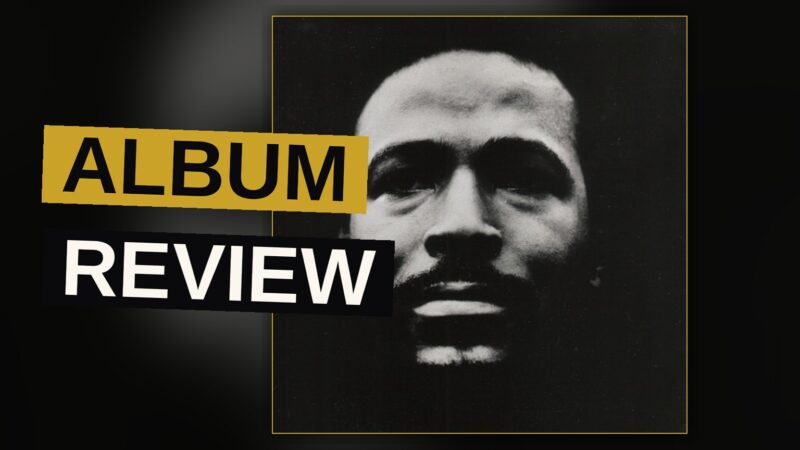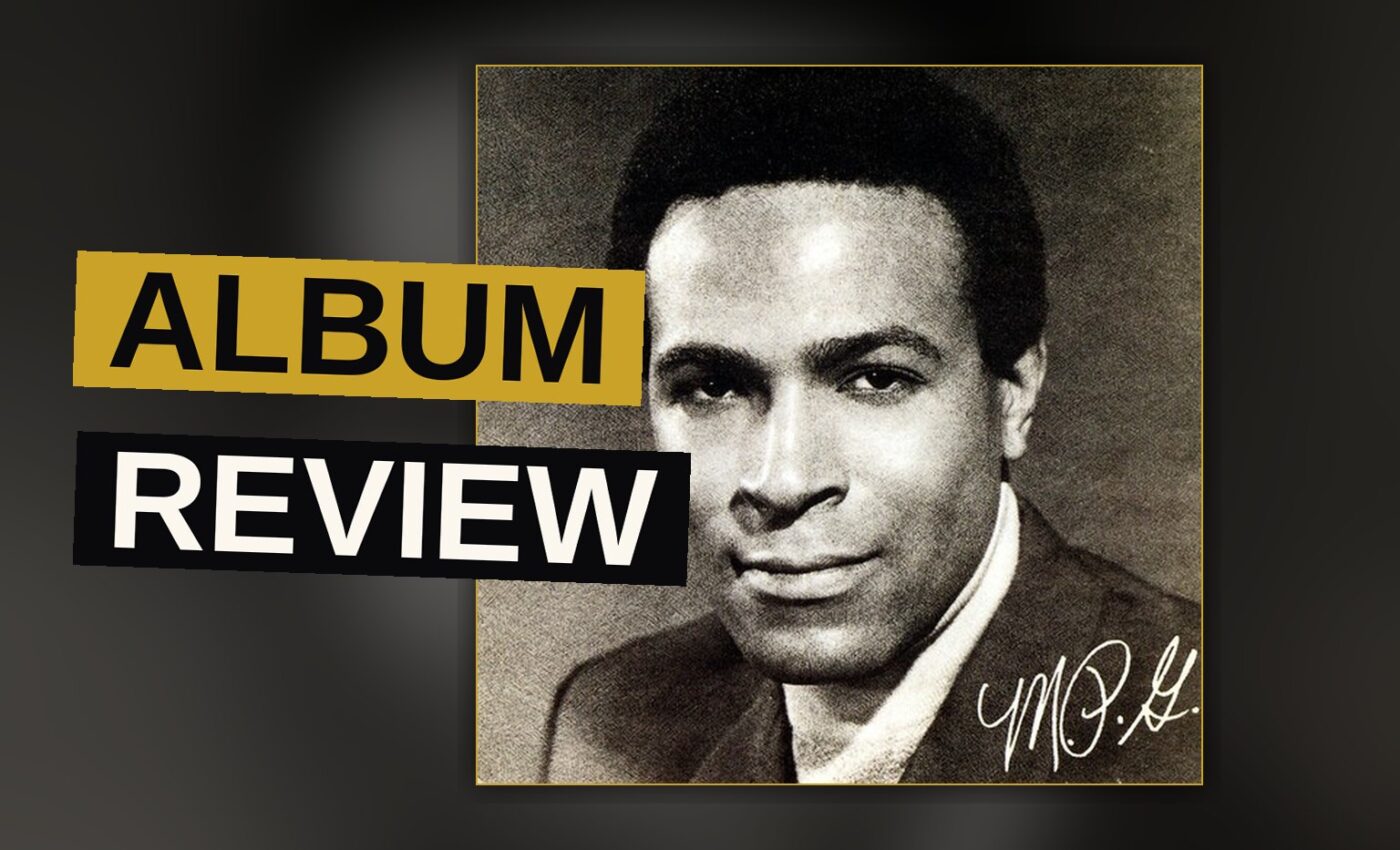
Marvin Gaye’s 1969 album M.P.G. is a quiet hinge in his career. It arrived after the massive success of his late-1960s singles and before the political fire of What’s Going On. The record does not try to change the world. It aims to keep Gaye’s streak of smooth, radio-ready soul alive with a dozen tight tracks, none of them stretching past four minutes. The title is a play on his own initials, and the music stays just as personal and contained.
What makes M.P.G. worth revisiting is the confidence in its restraint. Gaye is not reaching for spectacle. He is settling into a groove, letting his voice glide over strong studio arrangements. The album is often treated as a minor entry in his catalog, a bridge between bigger statements. That undersells it. The singing is subtle, the production is lush, and several tracks here rank with his best work of the decade.
Too Busy Thinking About My Baby
The album opens with “Too Busy Thinking About My Baby,” the record’s hit single. It is the right curtain-raiser. The track moves on a light, insistent beat, and Gaye’s vocal is featherweight, almost conversational. He sings about a man so consumed by love that the world outside fades. The arrangement — strings, horns, a walking bassline — feels effortless. It is a song about obsession, but it sounds like relief.
“This Magic Moment” follows, a cover of a familiar pop standard. Gaye slows it down and makes it his own. The melody is recognizable, but his delivery turns it inward. Where the original is bright and theatrical, Gaye’s version is warm and private, a man remembering a kiss rather than announcing it. It is a small transformation, but it shows his instinct for finding the ache inside a pop song.
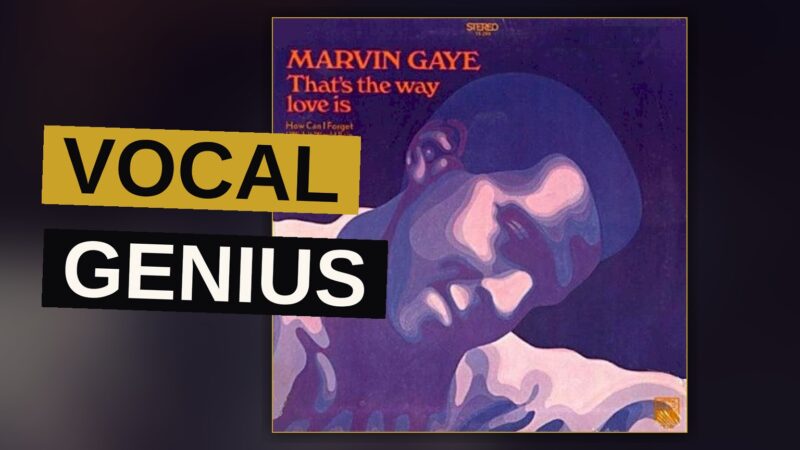
“That’s the Way Love Is” keeps the momentum. This is one of the album’s genuine standouts. The song builds from a soft verse into a soaring chorus. Gaye’s voice cracks with feeling on the high notes, and the backing vocals answer him like a congregation. The song’s message is simple — love hurts, but you take it anyway — and Gaye sells every word. It is the emotional peak of the first third of the record.
“The End of Our Road” closes the opening quartet. It is a sharp, bitter song about a relationship that has run out of gas. The music matches: a tense, staccato rhythm, horns that stab rather than soothe. Gaye sounds tired and angry at once. It is the most dramatic track on the album, and it proves he could carry weight when the material asked for it.
Seek and You Shall Find and the Middle Stretch
The middle of M.P.G. loses some of that focus. “Seek and You Shall Find” is pleasant but slight, a mid-tempo sermon on patience that never quite catches fire. Gaye sings it well, but the melody is forgettable, and the arrangement leans on a repetitive hook that wears thin by the two-minute mark.
“Memories” does better. It is a slow, aching ballad about a love that lingers after the person is gone. Gaye’s voice is the whole show here, dipping low and then rising into a fragile falsetto. The production stays out of his way — just piano, bass, and a gentle string wash. It is the quietest track on the record, and one of the most honest.
“Only a Lonely Man Would Know” is a strange entry. The title suggests confession, but the song plays it safe, a mid-paced number about the isolation that comes with fame. Gaye delivers the lines with conviction, but the chorus is underwritten, and the track feels like a sketch rather than a finished thought. It is not bad. It is just not essential.
“It’s a Bitter Pill to Swallow” rights the ship. This is the other standout of the middle section, a taut, frustrated song about taking blame in a failing relationship. The groove is insistent, and Gaye’s vocal has an edge of contempt. He is not pleading here. He is stating a fact. The horns hit hard, and the track ends before it overstays its welcome. It is the kind of song that makes you wish the album had more of this bite.
I Got to Get to California and the Closing Stretch
“More Than a Heart Can Stand” opens the final third with another strong showing. It is a plea, but a dignified one, Gaye asking for relief from a love that has become a burden. The melody is sturdy, and the production is glossy without being empty. It is a solid album track, the kind that fills a record without defining it.
“Try My True Love” is lighter, almost playful. Gaye switches to a brighter tone, and the song bounces on a simple rhythm. It is not a deep cut, but it is charming, and it shows a side of him that the heavier tracks keep hidden. There is no pain here, just a man offering himself with a wink.
“I Got to Get to California” is the hidden gem of the record. The song is about restlessness, a man who cannot stay in one place because something better waits on the coast. Gaye’s vocal is urgent, and the arrangement pushes forward like a car on a highway. The hook is simple but effective, and the track has a sense of motion that the rest of the album lacks. It is the most forward-looking thing here, a hint of the freedom that would define his next decade.
The album closes with “It Don’t Take Much to Keep Me,” a warm, unassuming love song. Gaye sings about being easy to please, needing only affection and loyalty. It is a gentle landing after the restlessness of the previous track. The production is spare, just a light beat and soft horns, and Gaye’s voice carries the tune without strain. It is not a grand finale. It is a sigh of contentment, and it works.
The Running Order
| Track | Time | Notes |
|---|---|---|
| Too Busy Thinking About My Baby | 2:57 | Hit single |
| This Magic Moment | 2:42 | Cover, slowed down |
| That’s the Way Love Is | 3:44 | Emotional peak |
| The End of Our Road | 2:47 | Bitter, dramatic, standout |
| Seek and You Shall Find | 3:40 | Pleasant but slight |
| Memories | 2:48 | Fragile, aching ballad |
| Only a Lonely Man Would Know | 3:03 | Underwritten chorus |
| It’s a Bitter Pill to Swallow | 3:13 | Frustrated, sharp |
| More Than a Heart Can Stand | 2:58 | Dignified plea |
| Try My True Love | 2:57 | Light, playful |
| I Got to Get to California | 2:53 | Restless, forward-moving gem |
| It Don’t Take Much to Keep Me | 2:40 | Warm, simple closer |
The sequencing is smart. The strongest tracks bookend the record, and the weaker ones sit in the middle where they do the least damage. The total running time is 36 minutes, which is lean for a soul album of its era. Nothing overstays, and the shorter tracks give the whole thing a sense of momentum.
What the Album Is Trying to Do
M.P.G. is not a concept album. It is not a statement. It is a working singer at the top of his craft, picking strong material and singing it with more nuance than the songs strictly require. The album’s goal is consistency, not transcendence. Gaye wanted to keep his name on the radio. Several of these tracks were released as singles.
The record also shows Gaye testing his range. He covers a pop standard, a ballad, and a handful of harder-edged soul songs. He does not fail at any of them. The voice is the constant — smooth, flexible, always in control. Even when the material is thin, the singing is not.
Comparing the Strong and the Slight
| Track | Mood | Gaye’s Approach | Verdict |
|---|---|---|---|
| The End of Our Road | Angry, tense | Sharp, stabbing delivery | Outstanding |
| It’s a Bitter Pill to Swallow | Frustrated | Edge of contempt | Strong |
| Memories | Sad, reflective | Fragile falsetto | Moving |
| Only a Lonely Man Would Know | Melancholy | Convincing but underwritten | Minor |
| Seek and You Shall Find | Patient | Smooth but forgettable | Minor |
| Try My True Love | Playful | Light, charming | Minor |
The album’s highs are high, and its lows are merely forgettable. There is no bad track here. There are just a few that do not earn their place next to the standouts. That is a mild complaint for a record that delivers six genuinely good songs out of twelve.
The Verdict on M.P.G.
M.P.G. is a record of small pleasures. It does not aim for spectacular effects, and it does not achieve them. What it offers is something rarer in hindsight: a great singer at ease, working with strong arrangements and letting his voice do the heavy lifting. The standout tracks — “That’s the Way Love Is,” “The End of Our Road,” “I Got to Get to California” — are as good as anything Gaye released in the late 1960s. The filler is harmless, and the running order keeps the experience moving.
It is an overlooked album because it is a modest one. It does not announce itself. It does not demand attention. It simply plays, and it plays well. For fans of Gaye’s later, more ambitious work, M.P.G. is a useful reminder that he was a master of the form before he tried to break it.
The record earns a solid 7 out of 10.
Get the Notebook.
The day's best stories and every fresh verdict, in plain English, in your inbox by seven. One email a day, no more.
- Too Busy Thinking About My Baby2:57
- This Magic Moment2:42
- That’s the Way Love Is3:44
- The End of Our Road2:47
- Seek and You Shall Find3:40
- Memories2:48
- Only a Lonely Man Would Know3:03
- It’s a Bitter Pill to Swallow3:13
- More Than a Heart Can Stand2:58
- Try My True Love2:57
- I Got to Get to California2:53
- It Don’t Take Much to Keep Me2:40