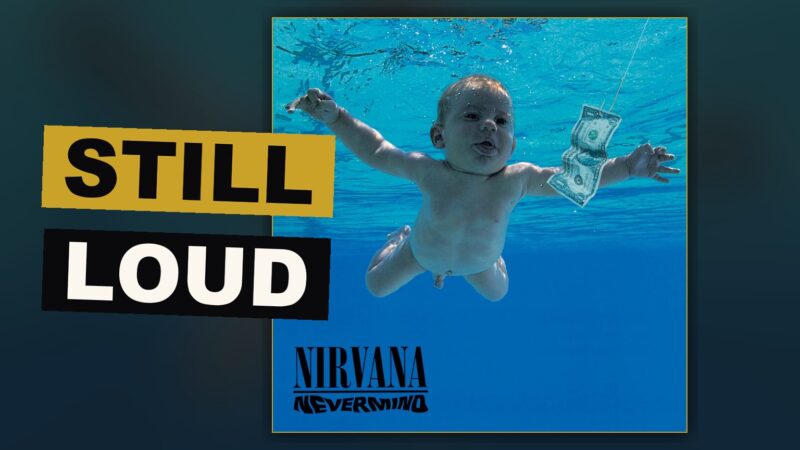
In Utero is Nirvana’s third and final studio album, released in 1993. It is a deliberate, abrasive rejection of the polished sound that made Nevermind a global phenomenon. The record is loud, messy, and uncomfortable, and it was designed to be exactly that. Cobain wanted to make something raw and honest, and the band succeeded in capturing a sound that feels like a direct challenge to the commercial machine they had accidentally joined.
The album opens with defiance and never really lets up. It is a document of a band at war with its own success, and of a songwriter working through pain that he would not live to fully articulate. The result is a record that was initially misunderstood, dismissed by some as a difficult follow-up, but it has since been recognized as one of the most authentic and powerful statements of the grunge era. This is Nirvana at their most honest, and it is a masterpiece.
Serve the Servants and the Opening Gambit
The record starts with “Serve the Servants,” a track that immediately establishes the tone. The opening line is a direct address to the band’s own legacy, and the song churns with a weary frustration. It is a statement of intent: this is not the band that made the hit that changed everything. The guitars are thick and distorted, and Cobain’s voice carries a sneer that was largely absent from the band’s previous work. It is a strong, confident opener that tells the listener exactly what they are in for.
“Scentless Apprentice” follows, and it is a brutal, almost chaotic piece of noise. The song is built on a monstrous, lurching riff and Cobain’s screamed vocals. It is not an easy listen, and it is not meant to be. The track is based on a novel about a boy born without a scent of his own but gifted with an extraordinary sense of smell, and the music mirrors that feeling of alienation and sensory overload. It is one of the most aggressive songs the band ever recorded, and it sets the stage for an album that refuses to compromise.
Heart-Shaped Box and the First Great Single
“Heart-Shaped Box” is the track that most listeners will know, and it is the moment where the album’s raw power is channeled into something approaching a conventional structure. It is still heavy, but it has a melody that digs in and stays. The song is a slow-burning epic that builds to a soaring chorus, and it remains one of the greatest songs Nirvana ever wrote. The lyrics are oblique and unsettling, but the emotional weight is unmistakable. It is a song about obsession and illness, and it is delivered with a passion that is hard to ignore.
The track was released as the album’s lead single, and it was the clearest sign that the band had not lost their ability to write hooks. They had just buried them under layers of distortion and feedback. “Heart-Shaped Box” is the centerpiece of the record, and it proves that the band’s rejection of commercialism did not mean a rejection of songcraft. It is a towering achievement.
Rape Me and Frances Farmer
“Rape Me” is the most controversial track on the album. The title is provocative, and the song was met with significant backlash upon release. But the music itself is a straightforward, driving rocker that is far less abrasive than the title suggests. The lyrics are a pointed attack on the media and the way Cobain felt violated by the constant attention. It is a protest song, not a celebration of violence, and it is a bold statement of defiance. The band knew exactly what they were doing with this track, and they did not back down.
“Frances Farmer Will Have Her Revenge on Seattle” is a reference to the actress who was institutionalized and subjected to a lobotomy. The song is a furious, cathartic blast of noise that channels Cobain’s anger at the systems that destroy people. It is one of the most intense tracks on the record, and it shows a band pushing their sound to their limits. The song is a scream of frustration, and it is essential to the album’s overall mood.
Dumb and Very Ape
“Dumb” is a quiet, melancholic track that offers a brief respite from the noise. It is a simple song distinguished by its cello part, and it is one of the most vulnerable moments on the record. The lyrics touch on numbness and a desire to escape, and the delivery is soft and weary. It is a beautiful song that shows a different side of the band, and it is all the more effective for its placement in the middle of the chaos. It is a moment of clarity in an album that is otherwise defined by its aggression.
“Very Ape” is a short, punchy rocker that does not overstay its welcome. It is a straightforward, riff-driven track that feels almost like a throwaway, but it serves a purpose. It keeps the energy up and moves the album forward. It is not a highlight, but it is a solid piece of the overall puzzle. It is the kind of track that fills out the record’s identity without demanding too much attention.
Milk It and the Descent into Noise
“Milk It” is where the album truly descends into its most difficult territory. The song is a claustrophobic, dissonant piece of noise that is almost impenetrable on first listen. The structure is fragmented, and the vocals are buried in the mix. It is the sound of a band pushing their sound to its breaking point. It is not an easy listen, but it is a fascinating one. The track is a deliberate challenge to the listener, and it is a key part of the album’s uncompromising vision.
“Pennyroyal Tea” is a more melodic track that follows the noise of “Milk It.” It is a grungy, mid-tempo song with a strong chorus and lyrics that reference an herbal abortifacient. The song deals with themes of illness and self-medication, and it has a desperate, pleading quality. It is one of the more accessible tracks on the second half of the album, and it provides a welcome moment of structure. It is a strong song that stands out for its clarity.
Radio Friendly Unit Shifter and Tourette’s
“Radio Friendly Unit Shifter” is a sardonic title for a song that is anything but radio-friendly. It is a repetitive, hypnotic track built on a churning riff and Cobain’s increasingly unhinged vocals. The song is a critique of the music industry, and it is delivered with a sneer. It is a challenging listen, but it is also one of the most rewarding tracks on the record. It is the sound of a band dismantling the very system that made them famous.
“Tourette’s” is the shortest track on the album, clocking in at just over a minute and a half. It is a frantic, screaming burst of noise that feels like a tantrum. It is not a song in the traditional sense; it is a release of pure, unfiltered energy. It is the most abrasive moment on the record, and it is over before it has a chance to wear out its welcome. It is a deliberate provocation, and it works.
All Apologies and the Album’s Final Statement
The album closes with “All Apologies,” the most famous song on the record after “Heart-Shaped Box.” It is a beautiful, melancholy track that finds Cobain at his most reflective. The song is a confession and a resignation, and it serves as a perfect conclusion to the album’s journey. The lyrics are cryptic, but the emotional content is clear. It is a song about feeling lost and wanting to be forgiven. It is a haunting final statement from a band that would not make another album.
The track is a masterclass in restraint. After an album full of noise and fury, it ends on a quiet, almost gentle note. The melody is simple, and the delivery is subdued. It is the sound of a songwriter who has said everything he needs to say. It is a perfect ending, and it gives the album a sense of closure that is both satisfying and deeply sad.
The Album’s Legacy
In Utero is not an easy album. It is difficult, abrasive, and often uncomfortable. But it is also a profound and authentic statement from a band at the height of their powers. The record was initially met with confusion and mixed reviews, but it has since been recognized as a masterpiece. It is a raw, honest document of a songwriter’s pain, and it is a reflection of the band’s refusal to be defined by their commercial success.
The controversial record didn’t receive the recognition it deserved compared to Nevermind due to its many difficulties that surrounded its release at the time.
The album is a success because it is true to itself. It does not try to please anyone, and it does not care if you like it. That is its power. It is a record that demands to be heard on its own terms, and it rewards those who are willing to meet it there. It is a poignant, authentic reflection of the band’s musical growth and Cobain’s internal struggles, and it stands as one of the greatest albums of its era.
In Utero is a challenging listen, but it is also an essential one. It is the sound of a band breaking apart, and it is a document of a songwriter in crisis. It is not a fun record, but it is a vital one. It is the sound of truth.
Get the Notebook.
The day's best stories and every fresh verdict, in plain English, in your inbox by seven. One email a day, no more.
- Serve the Servants3:37
- Scentless Apprentice3:48
- Heart‐Shaped Box4:41
- Rape Me2:50
- Frances Farmer Will Have Her Revenge on Seattle4:10
- Dumb2:32
- Very Ape1:56
- Milk It3:55
- Pennyroyal Tea3:37
- Radio Friendly Unit Shifter4:51
- Tourette’s1:35
- All Apologies3:51