
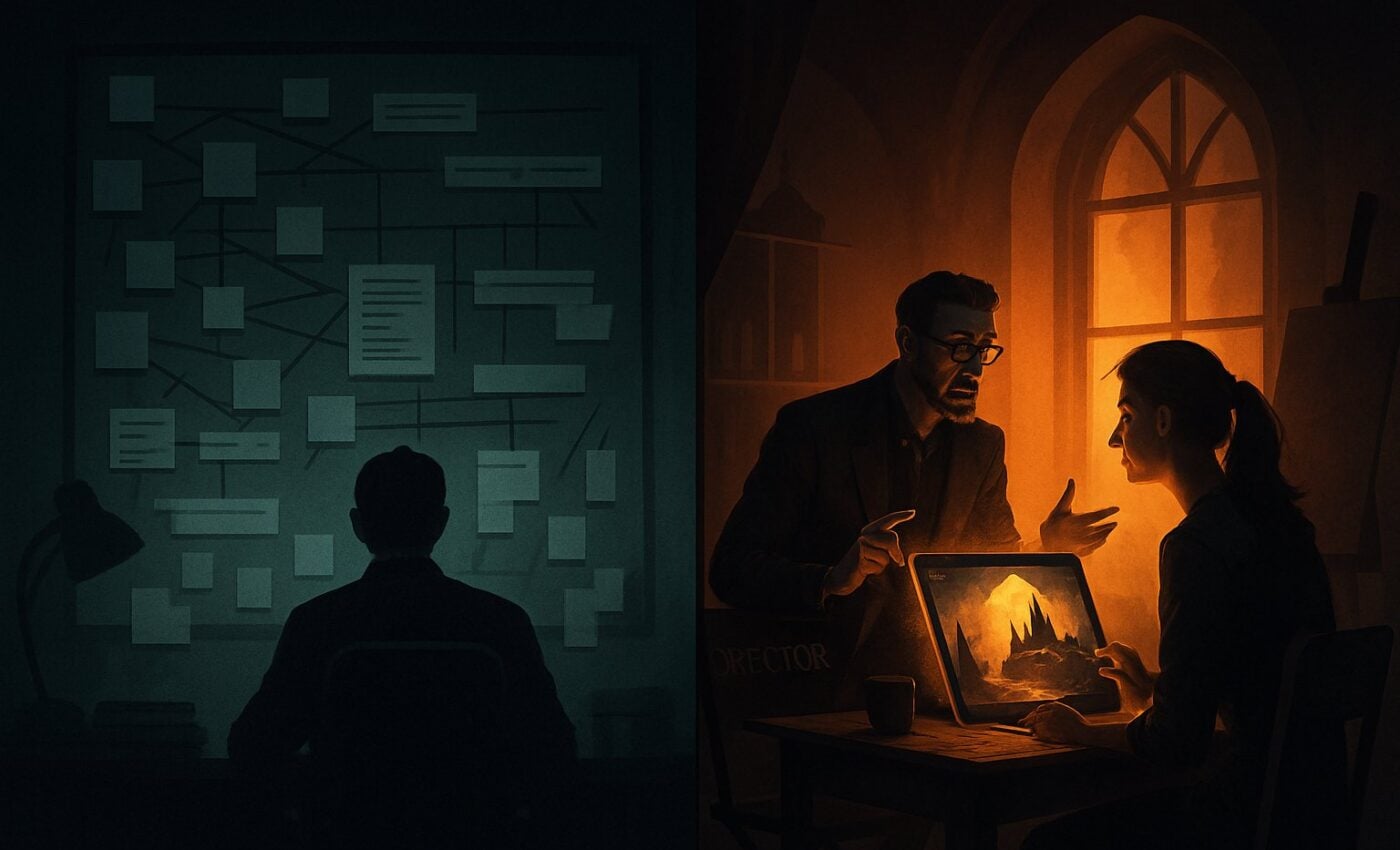
There is a shade haunting the halls of the great Western game companies, and its name, murmured with dread by the toilers therein, is Jira. While Xbox falls as if into an abyss, and other publishers stray from one grave error to the next, Capcom sits apart, smiling, prosperous, and — by all accounts — sane. A former hand at that house has now spoken, and his words cut deep into the very soul of the West’s undertaking.
A Melancholy Disclosure From Within
Writing for the Ringer, the journalist Lewis Gordon undertook an ample review of Capcom’s present golden age, and drew forth from a US-based former employee a most singular grievance. “There’s an excess of project management in the West in terms of Jira,” this anonymous soul confided, lamenting a habit of task management that does not necessarily turn into a game. He spoke, too, of Microsoft’s development philosophy — all timelines, all charts, all cold ledgers of progress, and precious little of the game itself.
At Capcom, he said, the director retains the final word, yet is counseled plainly: this will not delight the players; that will take too much time; we lack the treasury and the season for such an undertaking. It is a conversation between men of skill, not a rule of task lists.
The Shadows Of A Darker Season
Gordon’s inquiry did not rest with one anonymous voice. He conferred also with Satoru Nihei, Akihito Kadowaki, and Masachika Kawata, each a witness to Capcom’s peculiar recovery. The tale begins in a dreadful hour — the early 2010s — when Kawata himself confessed a wish to rival the likes of Call of Duty, a hunger for immediate spectacle that produced the thick and slighted Resident Evil 6.
What followed was a bitter lesson, and then a return to health. Resident Evil 7, close and immediate where the game before it was heavy and troubled, proved one of the finest of the series that has yet appeared.
From that lesson Capcom fashioned a firmer method: singular, new turns on venerable properties such as Street Fighter and Monster Hunter. The proceeds of these ventures pay for stranger, more original works — Kunitsu-Gami: Path of the Goddess, and Pragmata, which Gordon reveals was once meant, in a strange turn, as a tale of horror and suffering. At the same hour comes an anticipated new Onimusha, further proof that the house has found its footing.
New Blood, Old Loyalties
Capcom has not merely nursed its native talents; it has welcomed foreign ones too, drawing in figures such as Richard Pearsey, lately of Spec Ops, while keeping its seasoned people content and free of needless haste. Such patience — hiring wisely, retaining faithfully, letting works mature — was once the ordinary practice of the drama trade the world over.
This wisdom sustained the stage, music, and the moving picture for a hundred years without complaint. But it has become singular by its very rarity now.
A grim philosophy of quarterly account has seized much of the trade, and Xbox stands as its most visible victim, its many waves of discharge a proof of appetites that hunger for immediate returns above all patience. When the figures will not bend to satisfaction, the remedy is discharge of hands, not cultivation.
Capcom, by the anonymous employee’s account, has simply declined to catch this fever, regarding the productivity charts of Jira as a false idol — a measure of toil, and a mistaken one, set up in place of true merit.
No Paradise, Even In Japan
Let none suppose Japan itself a faultless garden of management; poor rule finds its place in every soil, and stricter labor law there merely checks certain excesses without keeping folly wholly away. Yet in this one particular — the marriage of skill to counsel, rather than skill to chart — Capcom appears to have discovered something its Western rivals have forgotten, or never knew.
Perhaps the lesson is not that task lists are evil in themselves, but that no method, however carefully wrought, can substitute for the plain, difficult labor of asking whether a thing is good. Capcom seems, for now, to remember this. Whether Xbox and its brethren can learn it anew before the graveyard of discharges grows wider remains a dreadful question, unanswered still.
Get the Notebook.
The day's best stories and every fresh verdict, in plain English, in your inbox by seven. One email a day, no more.