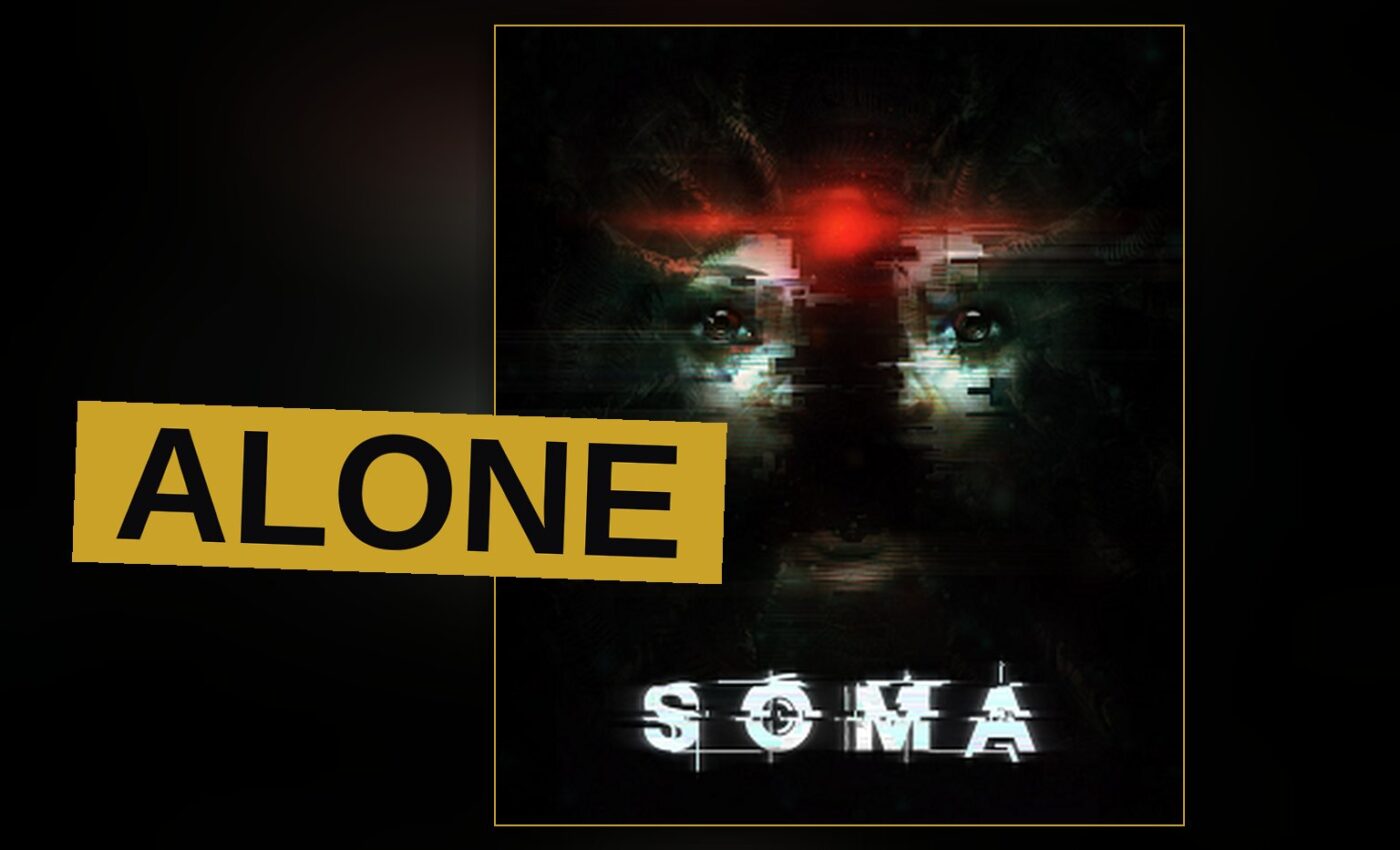
Soma asks a simple question: what happens when you wake up and nobody else is there. That question carries the whole game, and most of the time it carries it well.
Trailer, via IGDBcom.
The Waking
You play as Simon, a man brought back to life after a disaster that killed everyone else. You are not the main character. You are not the hero. You are the one who finds the answer to why he was saved, and that difference changes how the game feels.
The Facility
The game takes place in a research station under the ocean. It is dark, wet, and full of small rooms. The design is clever, and moving through it never feels like empty walking. Each room adds a new piece to the puzzle of what happened.
The Writing
The dialogue is the strongest part of Soma. Characters talk about loss, memory, and what it means to be human. The game trusts you to sit with those questions rather than rush past them.
The Horror
Soma is a horror game, and it leans on fear rather than gore. Some parts work better than others. The best scares come from sound and silence, not from monsters jumping out of nowhere.
The Ending
The final stretch asks you to choose between two versions of reality. It is a bold move, and it lands. Whether you agree with the choice is personal, but the game earns the right to make it.
The Numbers
| Platform | Year |
|---|---|
| PS4 | 2015 |
| PC | 2015 |
| Mac | 2015 |
| Linux | 2015 |
The Verdict
Soma is not perfect. Its pacing drags in the middle, and some enemies feel thin. But the core idea — waking up alone in a world that does not want you — stays with you long after the credits roll.
Soma earns its place among the best games made in 2015. It is a game about being human, and it treats that subject with real care.
Get the Notebook.
The day's best stories and every fresh verdict, in plain English, in your inbox by seven. One email a day, no more.