Marty Byrde is a man with a problem, and that problem is the Chicago drug trade. He is a financial planner who has spent years handling the money of dangerous men, and now he is running from them. His wife Wendy and their children know nothing about the life he leads, and that separation is the engine of Ozark, the Netflix series that premiered in 2017. The show is built on tension, family pressure, and the slow erosion of a normal existence. It is not a show about crime lords or a war on drugs. It is a show about a family that has to become criminals to survive.
The premise is simple. Marty is forced to move his family to a remote Missouri lake town after his partner is killed. He takes over the operation himself, working with local drug dealers and corrupt officials to build a money-laundering scheme. The stakes rise with each season, and the Byrdes find themselves deeper in danger with every passing episode.
Trailer, via Netflix.
The Byrde Family
Marty is the center of the story, and Jason Bateman plays him with a quiet desperation that carries the whole series. He is smart, careful, and deeply afraid. His wife Wendy, played by Laura Linney, is the emotional core of the show. She is a mother who is also a businesswoman, trying to keep the family together while her husband runs from his past. Their son Jonah and daughter Charlotte complete the picture, caught between the safety of their old life and the danger of their new one.
The dynamic between the two parents is the heart of Ozark. They argue, they lie to each other, and they love each other fiercely. Wendy is the one who pushes back against the violence, while Marty is the one who accepts it. That push and pull drives the plot forward.
The Lake Town
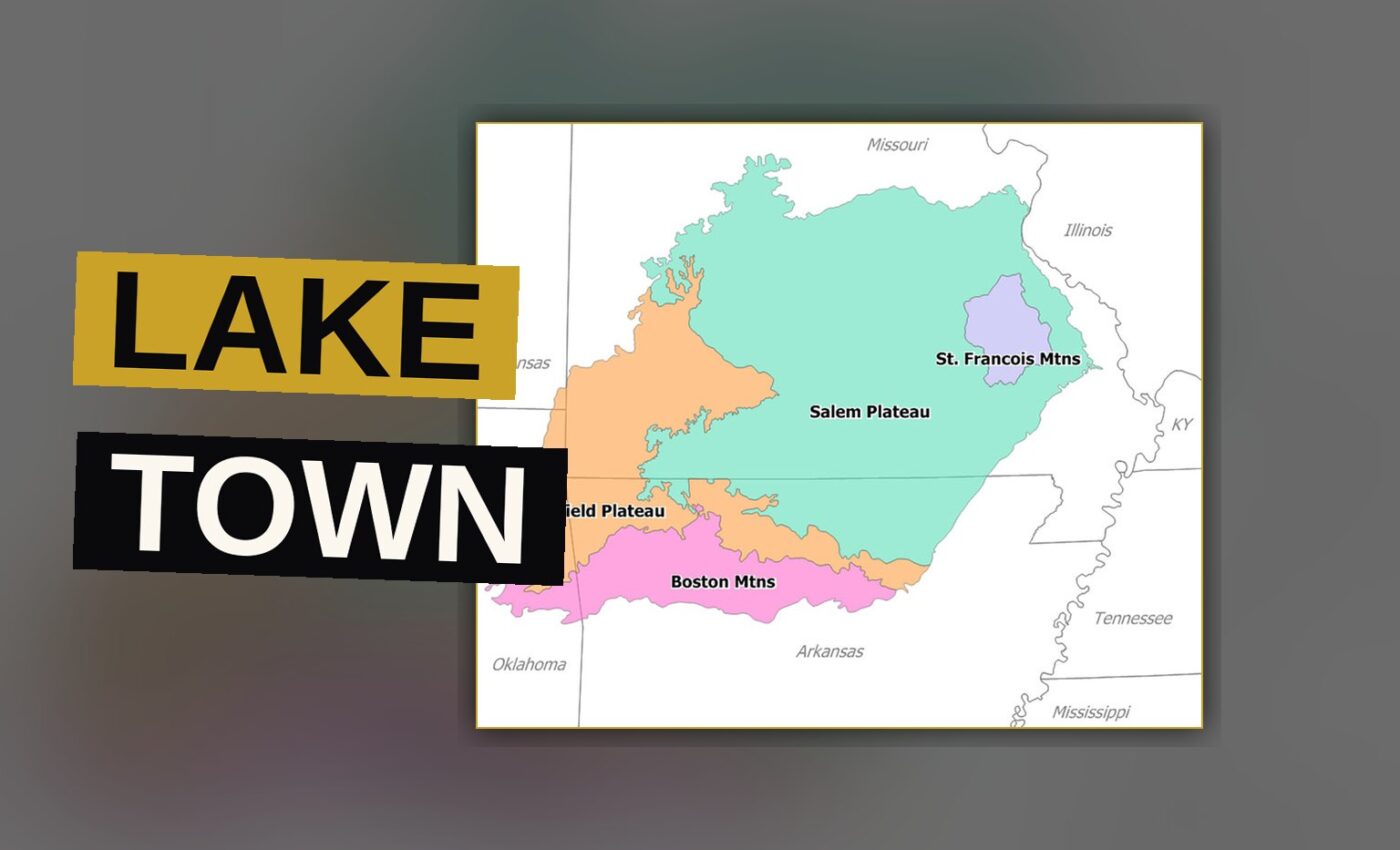
The setting is Ozark, Missouri, a small, isolated community surrounded by water and woods. It is a beautiful place, but it is also a trap. The locals are suspicious of outsiders, and the law is weak. The show uses the landscape to create a sense of containment, a place where there is nowhere to hide.
The town is populated by a cast of characters who are either threats or allies. The local drug lord, Billy Lee Roy Bryant, played by John Hannah, is a terrifying presence. He is violent, unpredictable, and loyal to the wrong people. His cousin Darlene, played by Melissa Barrera, is a quieter danger, sharp-tongued and ambitious. Then there is the local sheriff, Pat Hamlin, played by Michael McConnohie, who is honest but outmatched.
Each character represents a different kind of obstacle for the Byrdes. Billy Lee Roy wants control. Darlene wants power. The sheriff wants justice. The Byrdes have to navigate all of them while building a business that could collapse at any moment.
Money Laundering and the Scheme
The central plot device is the money-laundering scheme itself. Marty has to move millions of dollars through legitimate businesses, hotels, and real estate deals. This is where the show gets technical, with scenes of financial planning, cash counting, and wire transfers. It is not always easy to follow, but it is consistent with the show’s overall tone.
The scheme is also a metaphor for the family’s situation. They are washing dirty money, but they are also washing away their old lives. Each transaction brings them closer to ruin, even as it provides temporary security. The show is careful about this balance, showing both the gains and the losses.
“The money is the problem.”
That line sums up the show’s approach. The money is the solution, but it is also the cause of everything bad that happens. Marty knows this on some level, but he keeps moving forward anyway.
The Tone of the Show
Ozark is not a light watch. It is tense, violent, and often bleak. The show does not shy away from death, and it does not offer much comfort. There are moments of humor, mostly between Wendy and Marty, but the overall mood is grim.
The show is best described as a slow-burn thriller. It builds tension gradually, adding layer upon layer until the final episodes feel like a sprint. The pacing is deliberate, and the show rewards patience. It is not a show you can binge quickly; it asks for attention over several hours.
Season One
The first season introduces the characters and sets up the basic conflict. We see Marty’s panic, Wendy’s resolve, and the children’s confusion. The show also establishes the rules of the Ozark world, showing how the locals operate and what happens to those who cross them.
The season ends with a major shift, setting up the second season. It is a strong start, but it is also the weakest of the four seasons. The show is still finding its footing, and some of the plot threads feel unfinished.
Season Two
The second season deepens the story. Marty becomes more ruthless, and Wendy becomes more involved in the business. The family’s cover identities are tested, and the consequences of their actions become clearer. The show also introduces new threats, including a rival drug dealer and a federal agent.
This season is tighter than the first. The pacing improves, and the stakes feel higher. It is a solid middle chapter, though it still relies on the groundwork laid earlier.
Season Three
The third season is where the show finds its stride. The Byrdes face their biggest crisis yet, and the family is pushed to its limits. The season also explores the personal cost of their choices, showing how the money has changed everyone.
The third season is the darkest of the series. It is also the most rewarding, offering some of the strongest writing and acting. The finale sets up the final season, leaving the audience waiting for resolution.
Season Four
The fourth and final season wraps up the story. It resolves the main plotlines and answers some questions, though not all of them. The ending is divisive, with some viewers feeling satisfied and others feeling cheated.
The finale is a mixed bag. It offers closure on some threads but leaves others open. It is a fitting end to a show that never promised neat resolutions.
The Final Score
Ozark is a well-made show with a clear vision. It is not perfect, and it is not for everyone. The show’s strengths are its performances, its writing, and its ability to sustain tension over a long period. Its weaknesses include a few loose plot threads and a finale that will not satisfy all viewers.
The show holds a score of 6.6 out of 10, reflecting a mixed critical reception. Some critics praised its craft, while others found the story uneven. The series is available on Netflix, and it remains a popular entry in the streaming library.
The show’s legacy is a matter of taste. Fans of crime dramas will find plenty to enjoy, while viewers looking for lighter fare will likely pass it by. It is a demanding watch, but it is also a rewarding one.
The final season is currently streaming, and the show remains a reference point for crime series on television. It is a show that rewards attention and punishes distraction. It is a show that is best watched slowly, with care.
The Byrdes are gone now, but their story lingers. It is a story about choices, about families, and about the price of survival. It is a story that does not offer easy answers, and it is a story that stays with you long after the credits roll.
Get the Notebook.
The day's best stories and every fresh verdict, in plain English, in your inbox by seven. One email a day, no more.