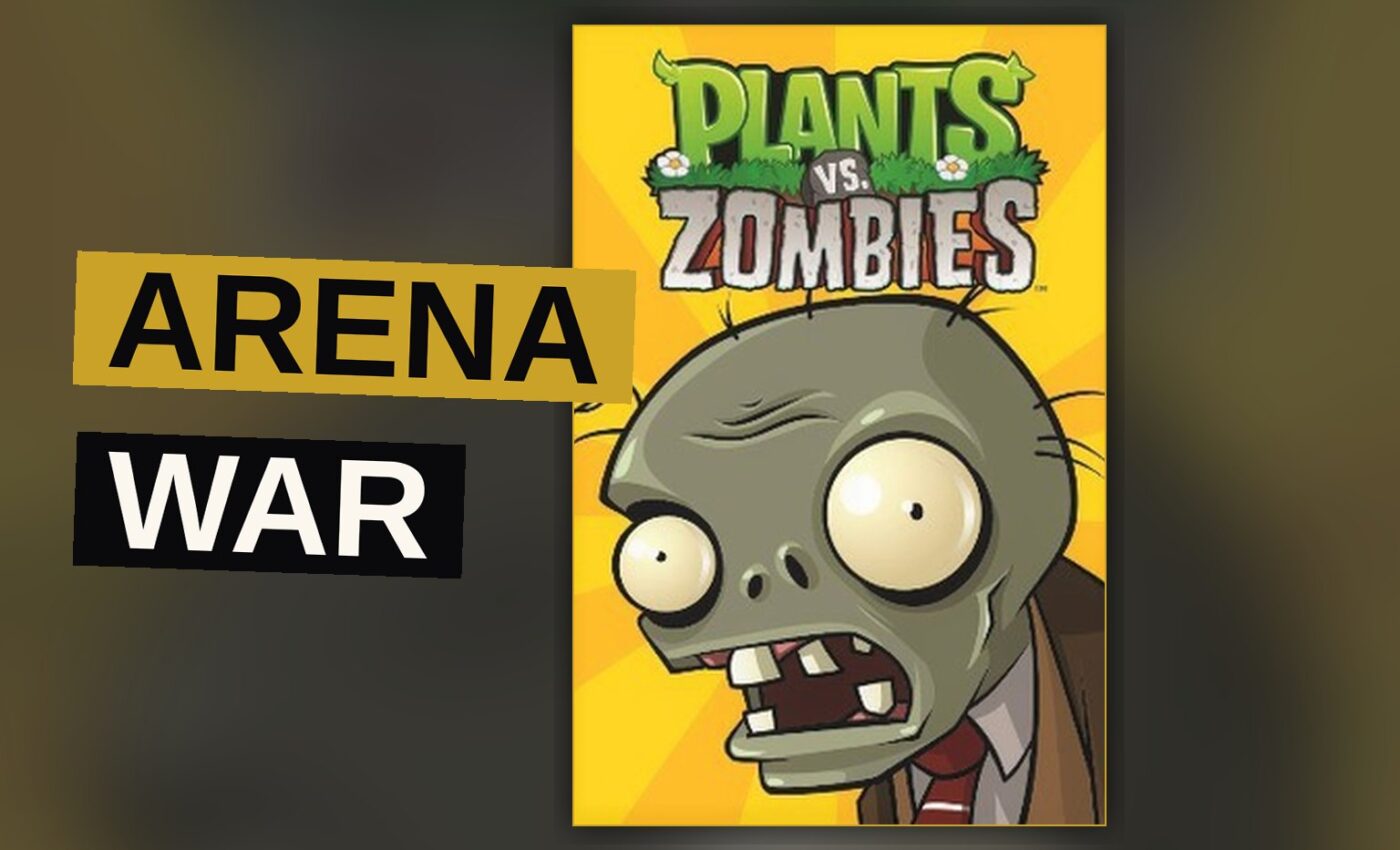
Plants vs. Zombies: Garden Warfare launched in February 2014 as a budget title for Xbox 360 and Xbox One. Versions for Windows, PlayStation 3, and PlayStation 4 followed later that year. PopCap Vancouver built it as a team-based third-person shooter, a sharp turn from the tower defense games the franchise was known for.
Trailer, via Plants vs. Zombies.
Crazy Dave and Dr. Zomboss Pick Sides
The premise stays simple. Plants defend humankind from a zombie invasion. Players pick a side — Plants under Crazy Dave or Zombies under Dr. Zomboss — and fight across cooperative and competitive modes.
Eight classes split four per faction. The Peashooter and Foot Soldier handle general ground combat. The Sunflower, Scientist, and Engineer support. The Chomper and All-Star fight up close. The Cacti snipe.
Each class carries three special abilities. A Peashooter can drop a Chili Bean Bomb for an area attack. A Chomper can burrow underground and ambush a zombie from below.
Flower Pots, Bone Piles and Sticker Packs
Most maps scatter Flower Pots and Bone Piles. Plants place stationary defenses there. Zombies spawn lesser undead that roam on their own. The units run on AI and are consumed on use, which adds a player-versus-environment layer to modes that are otherwise player-versus-player.
Coins come from completing objectives, reviving teammates, or killing enemies. Those coins buy sticker packs from an in-game shop stocked with random items — character outfits, accessories, weapon upgrades, spawnable units.
PopCap built the game on the Frostbite 3 engine and worked closely with DICE, the studio behind that technology.
Team Vanquish, Garden Ops and the Rest
The mode list is longer than a budget shooter has any right to carry. Garden Ops sends up to four Plants through ten zombie waves, some of them boss waves where a slot machine spawns boss characters or pays out coins. After the final wave, the Plants run to an extraction point and hold until evacuation.
Boss Mode lets one player fly above the battlefield as Dr. Zomboss or Crazy Dave, calling in radar scans, healing, revives, and air strikes for the players below. It is available to Xbox SmartGlass and Kinect users. PlayStation 4 and Xbox One owners also get split screen co-op against endless zombie waves.
Competitive supports up to 24 players:
- Team Vanquish, a team deathmatch that ends when one side knocks out 50 opponents
- Gardens and Graveyards, where Zombies capture objectives and Plants defend them across an expanding map
- Suburbination, a free DLC zone-capture mode where holding all three zones triggers the Suburbination state and boosts point production
| Mode | Players | Objective |
|---|---|---|
| Garden Ops | Up to 4 | Survive ten waves, then reach extraction |
| Team Vanquish | Up to 24 | Knock out 50 opponents |
| Gardens and Graveyards | Up to 24 | Capture or defend objectives |
| Suburbination | Up to 24 | Hold three zones for points |
Why the Budget Shooter Still Holds Up
The comparison that matters isn’t to the tower defense games Garden Warfare left behind. It’s to the team shooters PopCap openly borrowed from. The studio has said it drew on colorful team-based shooters like Team Fortress 2, and the title itself parodies Call of Duty 4: Modern Warfare. That’s a knowing wink, not a disguise.
What separates Garden Warfare from a licensed cash-in is the class design. Eight classes, each with three abilities, each with its own challenge track that levels the character and opens upgrades, variants, or cosmetic items. The Flower Pots and Bone Piles matter more than they look. They give every map a second layer that a straight deathmatch wouldn’t have.
The sticker pack economy is the weakest link. Random items from a shop means coins buy chances, not choices, and that friction sits awkwardly against the otherwise generous unlock path.
The real story is that a studio known for lawn defense rebuilt its franchise as a shooter and got the fundamentals right.
The published critical score stands at 8.0/10, an IGDB critic aggregate drawn from 19 outlets.
Get the Notebook.
The day's best stories and every fresh verdict, in plain English, in your inbox by seven. One email a day, no more.