
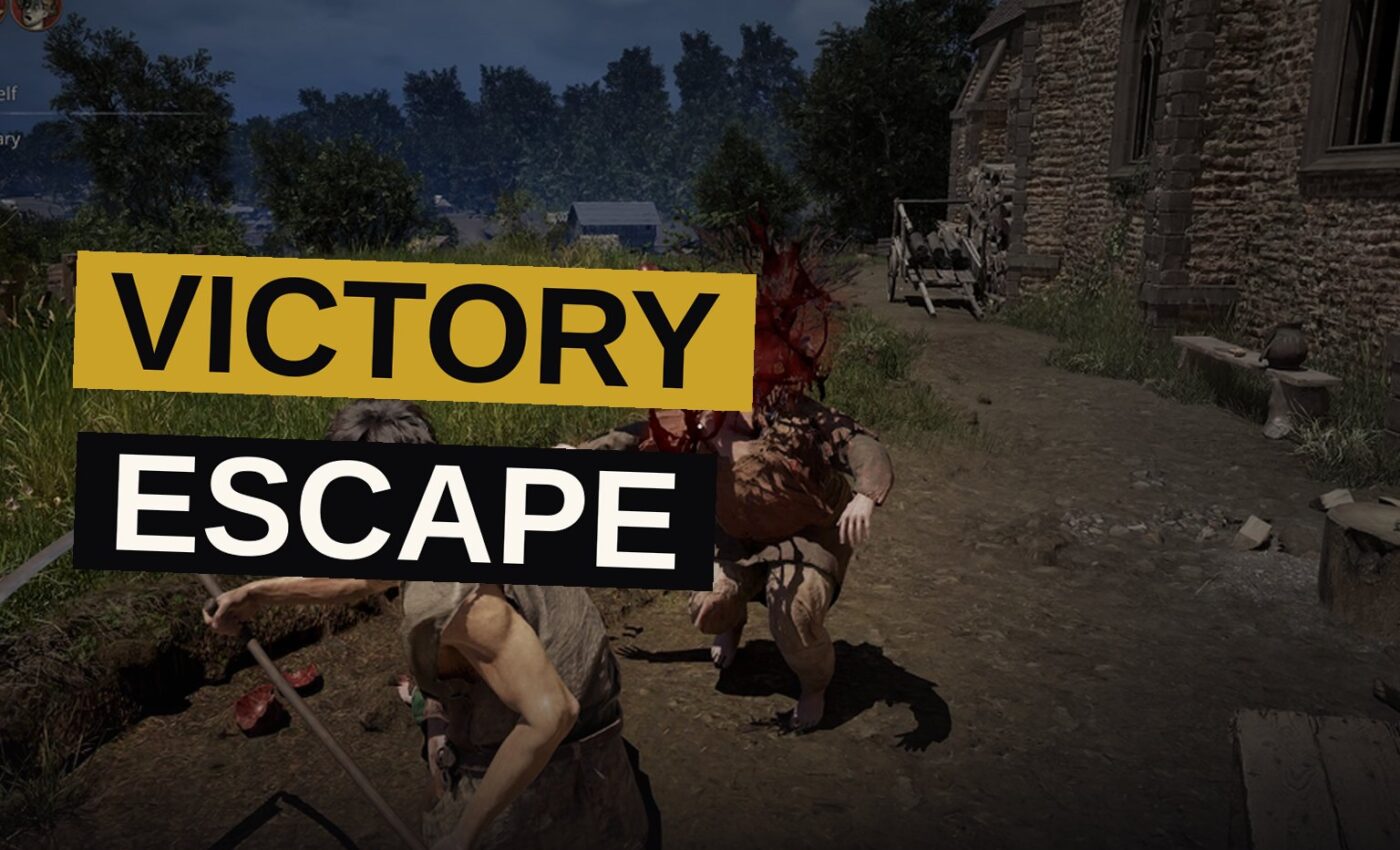
God Save Birmingham is a medieval zombie apocalypse game, and it knows exactly what it wants to be. Ocean Drive Studios debuted the game publicly in 2024, and the developer has been refining it since, with early playtests bringing more players into the mix. The latest hands-on build, played at PAX West 2026, shows a game that finally has a clear sense of purpose.
The Hook That Works
The premise is simple: what happens when a zombie outbreak hits the Middle Ages? Players wake up in a town’s infirmary after the outbreak has already started, and the goal is to escape the building, gather supplies, and live long enough to fight back. The game leans heavily on realism, with a physics-based movement system that gives every action weight.
The comparison to The Walking Dead and 28 Days Later is apt. You are the lone survivor, and the world is full of the dead. The difference is the setting. There are no skyscrapers or modern weapons here. Instead, there are farms, villages, and the occasional castle wall.
Escaping the Infirmary
The demo opens with a tutorial escape from the infirmary, where you have to grab supplies, dodge zombies, and find your way out. The movement system is the star. Every step feels grounded, and the physics of picking up and throwing objects adds a layer of tactical depth that most zombie games ignore.
The first goal is simple: get outside. Once you do, the problems start piling up. Zombies are everywhere, and the village is overrun. The tension comes from the constant need to scavenge while staying alive.
Survival Systems That Matter
God Save Birmingham tracks more than just health. The player character gets hungry, thirsty, exhausted, and anxious. Bandages mend wounds, and food and water keep you alive. Sleep is a necessity, not an option.
The resource gathering loop is where the game draws on Project Zomboid, a survival horror game known for its attention to detail. Birmingham’s journal system offers basic directions, guiding players through the early hours without hand-holding.
Combat is also much improved. Weapons have distinct animations, and each type handles differently. A pitchfork keeps distance from enemies, while a hatchet swings wide. Using a weapon makes the protagonist better at it, a classic survival game mechanic.
Stamina management is central. A winded protagonist is vulnerable, and carrying heavy objects costs energy. Ladders can be placed to reach high ground, blocked against doorways, or used as improvised weapons.
The Escape Through the Village
The demo gave players a taste of the full loop. After gathering spring water and apples, the protagonist made a hidden storage area in a village square, blocking an entrance with crates and hiding in a corner. The sun went down, and a fire kept the cold at bay.
More zombies heard movement inside the building, trailing behind the player on the way over. The demo ended with the player about to eat leftover chicken from a nearby counter.
What We Make Of It
This is a game that has found its vision. The medieval setting gives the zombie apocalypse a new context, and the survival systems are built with care. The combat has been smoothed out, and the physics systems add replay value.
The demo itself showed a strong foundation. The escape from the infirmary, the village scramble, and the quiet moments by the fire all worked together to create a tense, grounded experience.
The game still has work to do. The demo was limited, and the writer spent most of the session gathering resources rather than fighting. But the foundation is there.
Here is what the demo showed:
- A physics-based movement system that gives weight to every action
- A survival loop tracking hunger, thirst, exhaustion, and anxiety
- Combat with distinct weapon animations and stamina management
- A narrative hook that sets the outbreak apart from other zombie games
God Save Birmingham is a promising entry in the survival genre. The medieval setting gives it a fresh angle, and the systems underneath show signs of refinement. The game has found its vision, and it is worth watching closely as it continues development.
Get the Notebook.
The day's best stories and every fresh verdict, in plain English, in your inbox by seven. One email a day, no more.