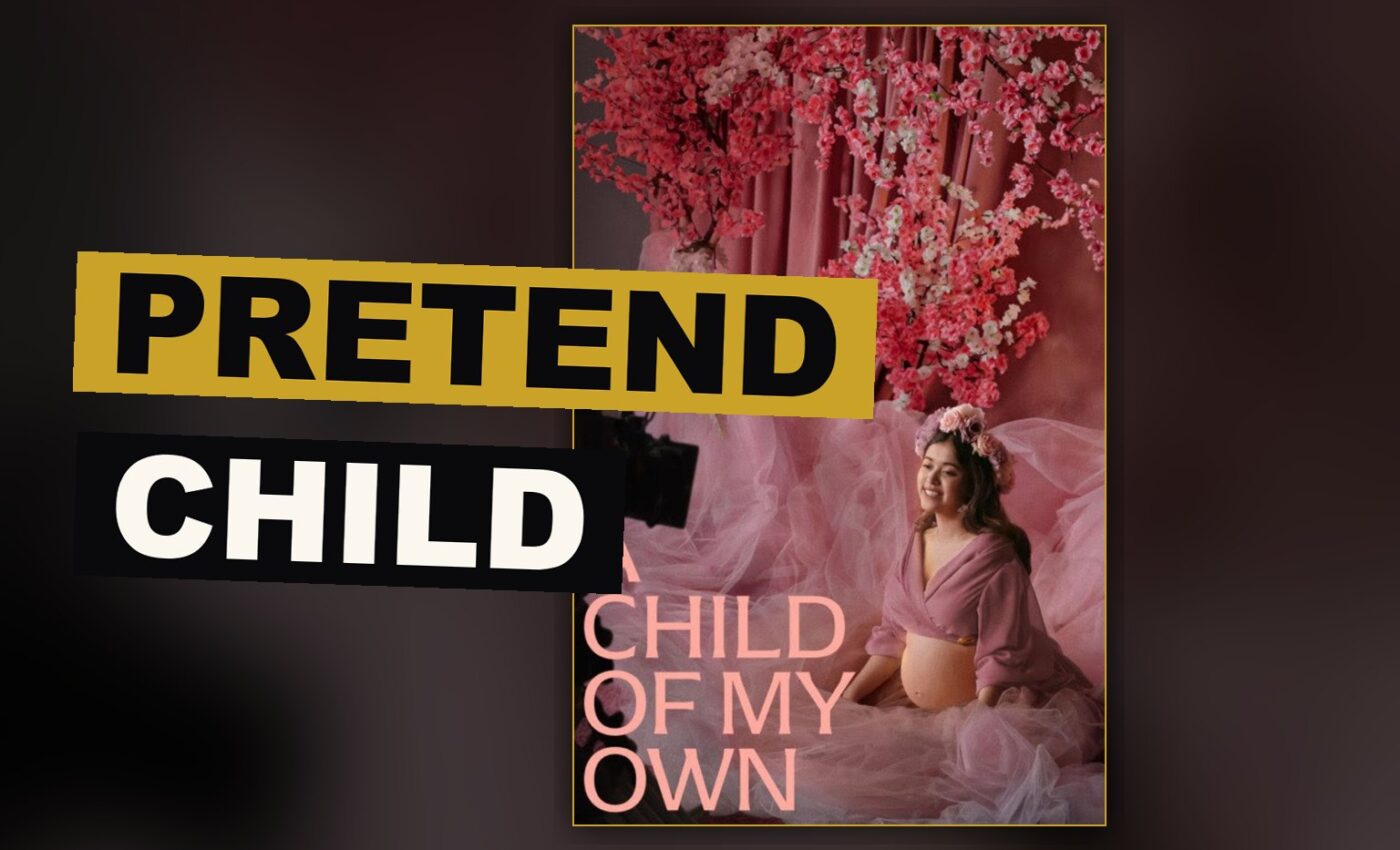
A Child of My Own does not want to be one thing, and that refusal is the whole point. Maite Alberdi’s film starts as a staged scene of a woman who pretends to be expecting a child, and ends up somewhere closer to a documentary inquiry. The change in method shows. That is not a weakness. That is the film.
Ana Celeste plays Eleonor Alejandra Marín Mendoza, a woman crushed by the demands of family and society, who pretends to be carrying a child and is drawn into a crime she cannot control. Armando Espitia plays Arturo Espitia. Around them, Alberdi builds a cast of pressure: Ángeles Cruz as Mamá Alejandra, Mayra Sérbulo as Mamá Arthuro, Luisa Guzmán as Mayra, Mayra Batalla as Doctora Guerrero. Every one of them stands for an expectation Eleonor cannot meet, and the film knows it.
A Story That Won’t Sit Still
Alberdi is a director who mixes and troubles the line between fiction and fact, and she does it here without apology. The first half plays like a formal, composed staged scene, tightly controlled, almost solemn in its grief. Then the film turns toward documentary inquiry, and the ground moves under the audience.
That turn is the film’s boldest move. It is also where it loses some of its hold. The turn from staged scenes to documentary inquiry leaves real doubt in Eleonor’s story left open, and the ending reaches for a note of hope that raises more questions than it answers. A plainer documentary might have landed harder. This one chooses formal daring over easy resolution, and mostly, that choice pays off.
The despair at the center of this story is not vague. Eleonor’s choice to pretend a child is on the way is not played as a twist — it is played as the last move open to a woman boxed in on every side.
A few things the film gets right without any catch:
- The control of feeling in the staged first half, which never falls into excess despite the story’s striking edge
- Alberdi’s refusal to let the audience settle into one set of rules
- The choice to let doubt stand rather than make up a neat villain
- The cast built around Eleonor, each one standing for a different weight of expectation
Where the film loses ground is in the final part, once the documentary approach takes over and the loose threads of the story start to show. The note of hope at the close feels earned in feeling but not earned in fact — the film wants an ending it has not fully built.
Numbers Behind the Story
The film had only a limited run in cinemas across a small number of countries before it arrived on Netflix. Once it did, the audience showed up. Here is how the arrival actually moved:
| Stage | Detail |
|---|---|
| Run in cinemas | Limited — a small number of countries |
| Length | 96 minutes |
| Certificate | R |
| First week on Netflix | 5.1 million viewers |
| First week hours viewed | 8.2 million hours |
| Standing across the world (films outside English, that week) | Second most viewed |
Those numbers say something the film already hinted at: this is not a small curiosity. People watched, and kept watching, through the film’s first week on the platform.
Our Verdict
This is a film that risks not being a crime documentary at all, and that risk is exactly why it works more often than it does not. Alberdi is not interested in easy answers, and neither is Eleonor’s story. Critics largely agreed — the film holds a score of 81%, with praise for its formal daring even where the turn from staged scene to documentary inquiry left the story’s doubts open.
The film asks you to sit with a woman’s despair, then asks you to question everything you thought you understood about how her story got told. It does not fully settle that trouble — but it never pretends to.