
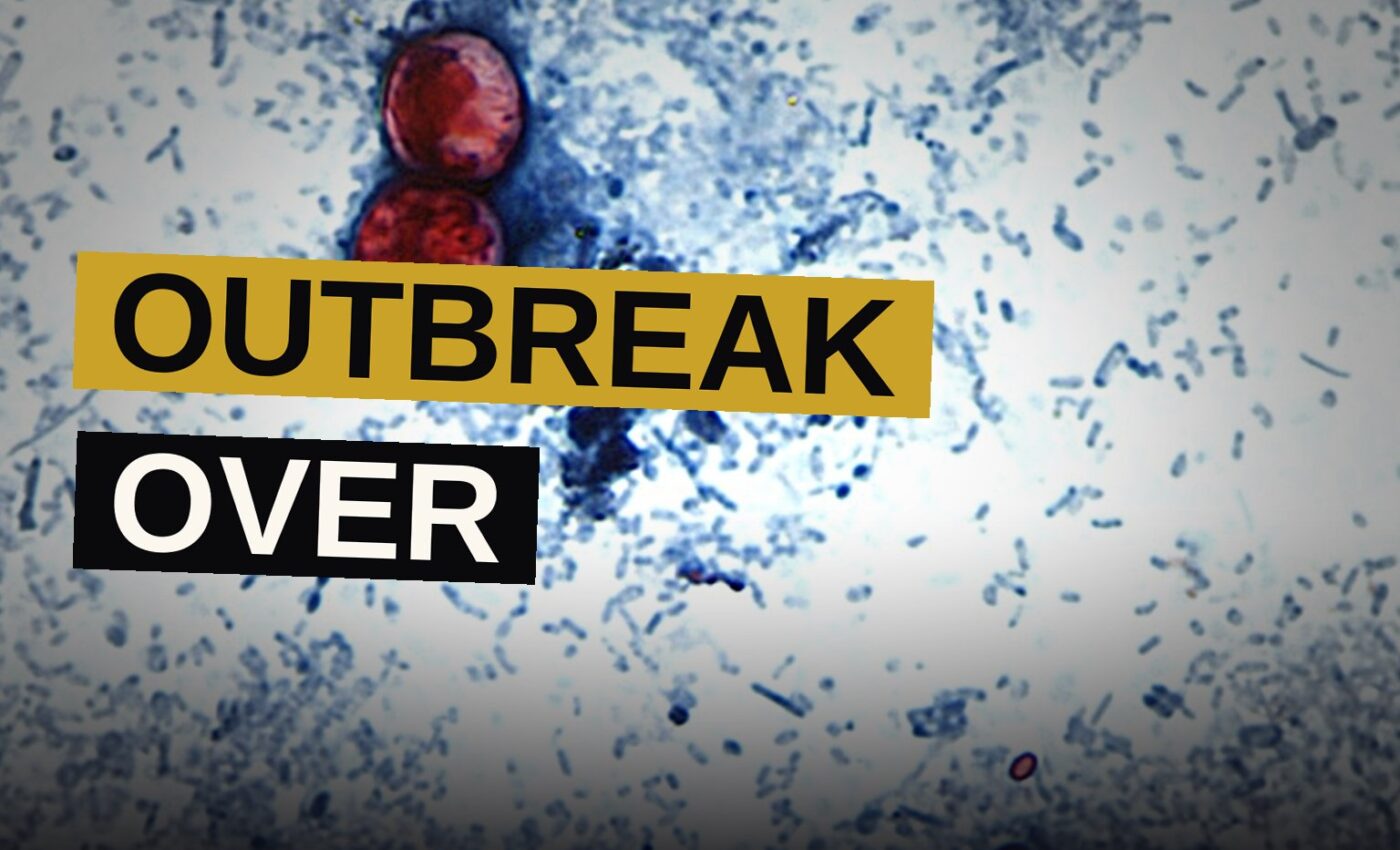
Federal officials say the nation’s biggest cyclospora food poisoning outbreak has come to an end, even though the source of the parasite remains unknown. Close to 13,000 people reported falling ill, and those cases make up most of a huge increase in the illness seen across the country this year.
FDA officials announced on Friday that they are certain all recalled iceberg lettuce connected to this particular outbreak has left store shelves. Michigan suffered the greatest number of cases, and it was there that the two US deaths linked to the outbreak occurred.
Case Counts at a Glance
From May 1 onward, authorities have recorded roughly 20,000 confirmed cases through laboratory testing, which amounts to over 16 times the count documented for the same stretch a year prior. In addition, more than 6,100 suspected cases have been reported.
This year’s surge was driven largely by an outbreak tied to iceberg lettuce in 21 states, though there remain thousands of additional cases that have not been traced back to it.
The most serious year on record for illnesses in the United States came in 2019, with roughly 4,700 cases reported across the nation.
How Cyclospora Spreads
The CDC describes Cyclospora as a tiny, round parasite that typically triggers watery diarrhea “with frequent and sometimes explosive bowel movements,”. It usually surfaces most frequently during late spring and summer.
Cyclosporiasis is an illness that happens less often than foodborne sicknesses brought on by other germs, such as salmonella and E. coli. In many cases, no particular food or other cause is ever tied to it.
“This contamination can happen if produce is grown in soil or comes into contact with water that has been contaminated,” said Ellen Shumaker, director of outreach for a North Carolina State University food safety program, Safe Plates.
The epidemic has been declared ended, yet a number of questions persist, among them the matter of its source. The germ travels via human waste, and researchers are still uncertain how sewage might have tainted sufficient food to afflict so many.
The Recall Trail
The investigation began with Taco Bell’s lettuce, but the direction changed once federal officials traced the source to Taylor Farms. The company then pulled back iceberg lettuce grown in central Mexico.
Taylor Farms pulled thousands of packaged salads from the market. These items mixed iceberg lettuce with other vegetables. They went to major US restaurant chains, among them Yum Brands, which owns Taco Bell, Pizza Hut and KFC.
Friday saw the FDA wrap up its on-site inspections and sample collection at Mexican iceberg lettuce growers and a processing facility, the agency reported. The FDA added that samples from those on-site inspections are still awaiting analysis.
The Unanswered Question
A worsening issue came into view during the outbreak — US regulators are carrying out fewer international inspections meant to stop tainted produce from reaching American plates.
The setting counts for something, since the route to this epidemic passed through Mexico, where Taylor Farms raises its lettuce. The FDA’s choice to stop on-site visits means the agency is no longer physically present at the farms or the processing plant.
Officials have yet to say when results will be released, which leaves the public waiting on answers to some of the remaining questions about the outbreak. The pending analysis of those samples could eventually provide them, but for now, the death of two people and the sickness of almost 13,000 remain without a known cause.
Key Numbers in the Outbreak
- Cases tied to the outbreak: Nearly 13,000 reported
- Lab-confirmed since May 1: Nearly 20,000
- Suspected cases: More than 6,100
- Worst year previously: 2019, about 4,700 illnesses
- States affected: 21
- Deaths: Two US deaths in Michigan
- Recalled lettuce: From Taylor Farms, grown in central Mexico
Comparing This Year to 2019
| Metric | 2019 | 2026 |
|---|---|---|
| Reported illnesses nationally | About 4,700 | Nearly 20,000 lab-confirmed |
| Suspected cases | Not specified | More than 6,100 |
| Worst year on record | Yes | No |
| Deaths | None reported in this account | Two US deaths in Michigan |
This year’s lab-confirmed count is nearly 16 times higher than the national total from last year, which stood at about 4,700 illnesses reported. The contrast between the two figures is striking, with 2019 representing the total for the prior period.
Michigan’s fatalities represent the worst outcome from a wave that has reached across 21 states. That the sickness keeps turning up in separate cases shows the surge remains partly unexplained.
What the Announcement Means
FDA officials say the outbreak has ended, though they describe it as a matter of confidence rather than a guarantee. Every batch of recalled lettuce has been removed from shelves, per FDA statements, yet the pending analysis of samples from Mexico shows the probe remains unfinished.
That the outbreak’s origin remains unknown is the most troubling part of this story. The parasite is spread through human feces, and tracing that route should be possible, but it still hasn’ has already occurred is a settled matter.
This outbreak took place against a backdrop: the agency’s diminished presence abroad through reduced inspections. That reduction in oversight was a distinct matter, though it remains the context within which this event unfolded.
The clearest proof of how dangerous this illness can be comes from the two deaths in Michigan. While cyclosporiasis occurs less often than other foodborne illnesses, it can still cause serious harm.
The illness has run its course, yet doubts persist. What path brought the contamination to the lettuce? And what prevented it from being found sooner?
Federal officials have yet to address those questions, and they may remain unanswered for some time. The samples from Mexico are still awaiting analysis, and the FDA has brought an end to its on-site inspections.
For now, the outbreak is over, but the unease remains.