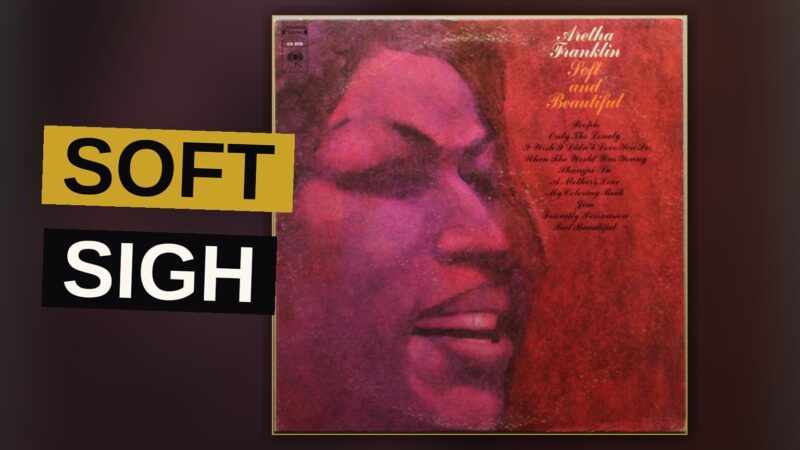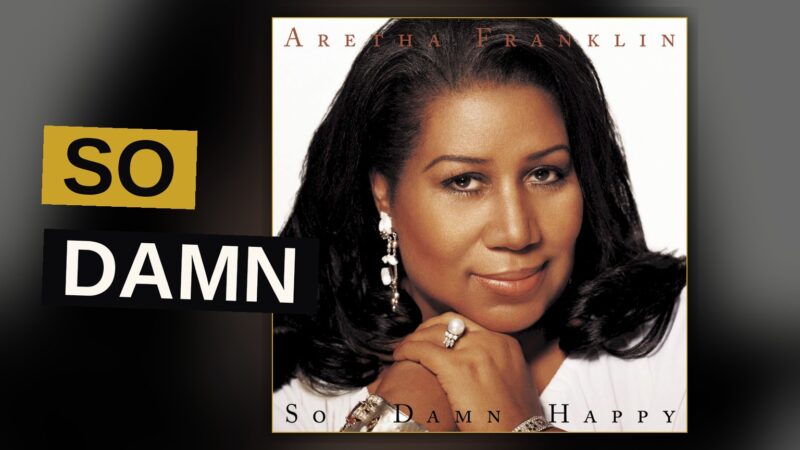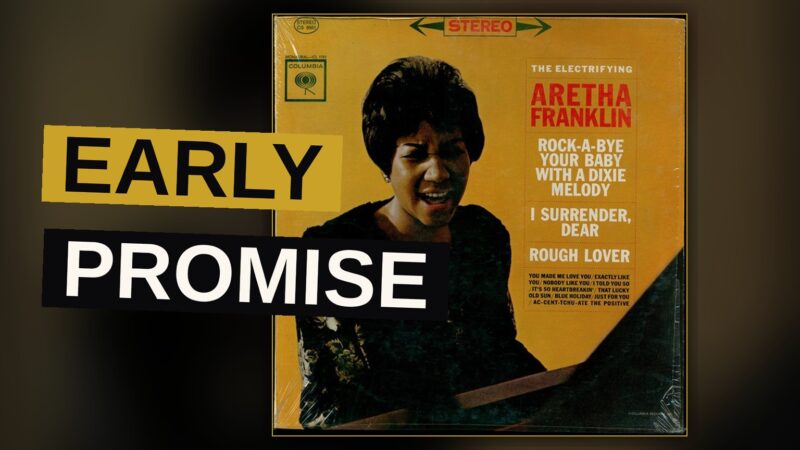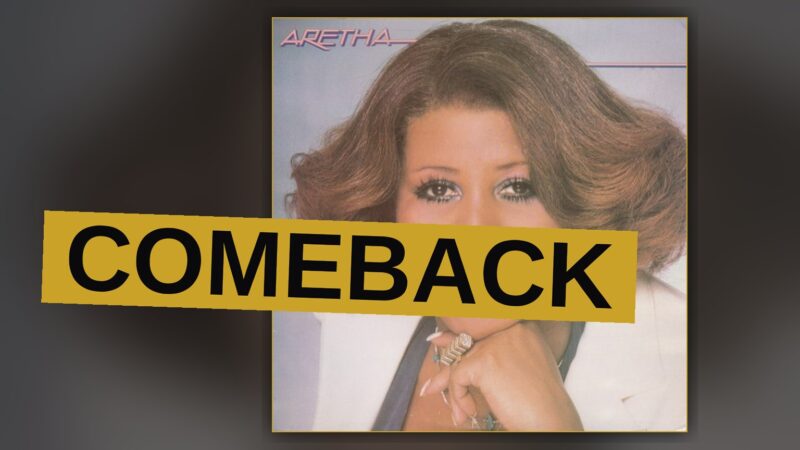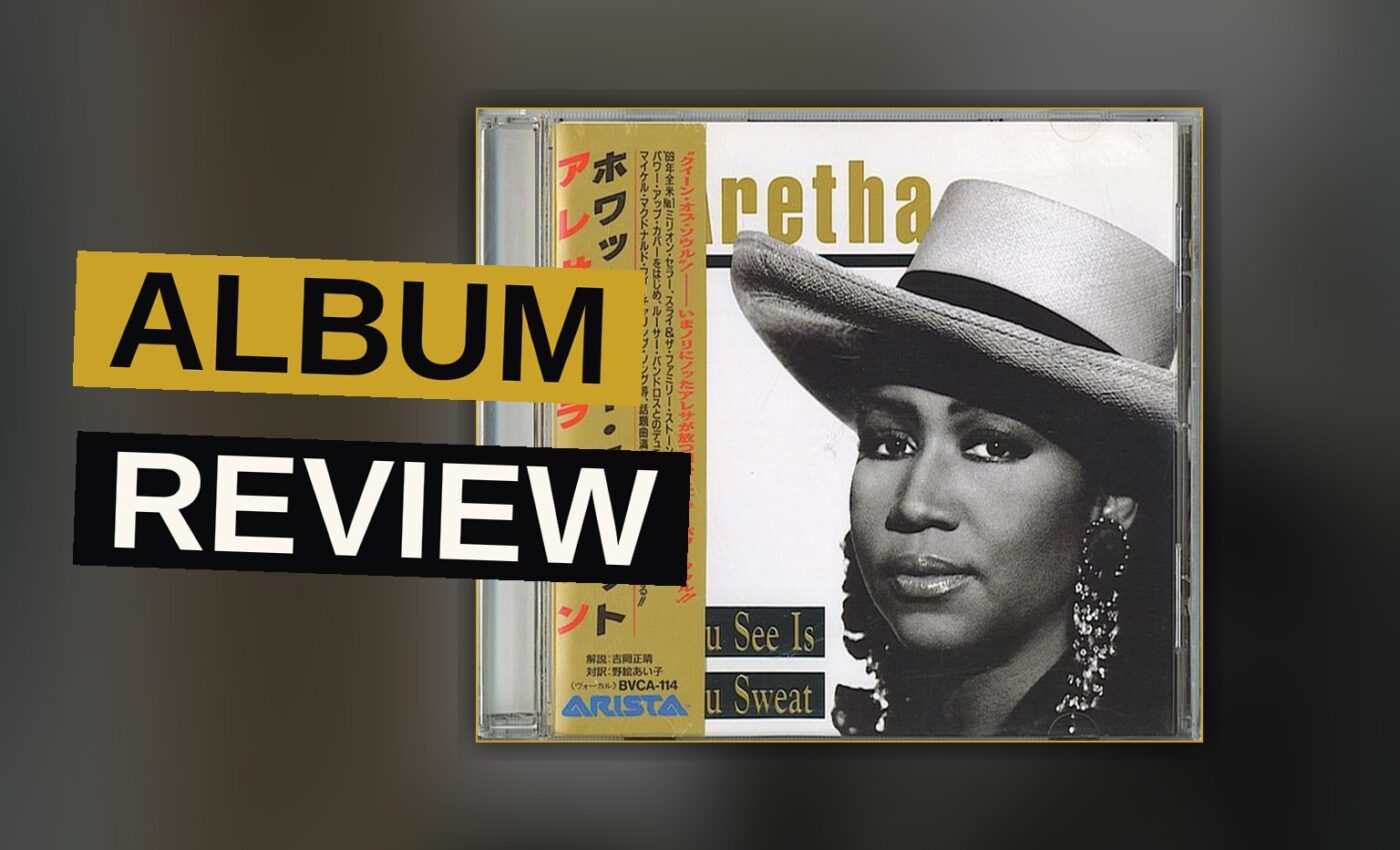
Aretha Franklin’s What You See Is What You Sweat is a 1991 album built on the idea that fame is a transaction, and that transaction has a price. The record is not a gospel record, not a soul record, not a pop record. It is a collection of songs about power, control, and the cost of being watched. It is also, in places, a very good album. In others, it is a record that plays like a business decision rather than an artistic one.
Franklin recorded the album after years of public scrutiny, and the music carries that weight. The title track sets the terms: what you see is what you get, and what you get is the real thing. There is no hiding behind production here. This is Franklin’s voice, plain and direct, telling you what she wants and what she expects in return.
Everyday People Opens the Record
The album opens with “Everyday People,” a song that sounds like a love letter to the common person but reads as a statement of intent. Franklin sings about ordinary people, but the song’s arrangement, dense with synthesizer and percussion, suggests something else entirely. It is a warm song, but it is also a warning: do not mistake her kindness for weakness.
“Ever Changing Times” follows, and it is the first sign of the record’s ambition. The song is a meditation on change, on how quickly things shift and how little we can hold onto. Franklin’s vocal performance is strong throughout, but the track leans heavily on its own metaphor. It is a good song, but it is not a great one.
What You See Is What You Sweat
“What You See Is What You Sweat” is the title track, and it is the best moment on the record. Franklin sings about the work behind the image, about the effort required to maintain a public presence. The song is honest in a way the rest of the album only gestures at. It is a statement of principle, delivered with conviction.
Mary Goes Round and I Dreamed a Dream
“Mary Goes Round” is a lighter moment, a song about a woman who moves through life without ever stopping to explain herself. It is a pleasant tune, but it lacks the urgency of the tracks around it. It feels like filler, not like a statement.
“I Dreamed a Dream” is a cover of the song by the singer whose name is not given, and it is a strange choice. Franklin’s version is slower and more deliberate than the original, and it works because she treats the song as a confession rather than a pop hit. It is not a standout, but it is a solid addition to the record.
“I Dreamed a Dream” is a confession, not a hit.
“Someone Else’s Eyes” is a song about seeing yourself through someone else’s perspective, and it is one of the weaker tracks on the album. The melody is simple, and the lyrics rely too heavily on the concept to sustain the full six-and-a-half-minute runtime. It is a decent song, but it overstays its welcome.
“Doctor’s Orders” is a cover of the song by the singer whose name is not given, and it is a strange fit for the record. The song is about following advice, and Franklin delivers it with a straight face. It is a fun performance, but it is not a deep one.
“You Can’t Take Me for Granted” is the album’s thesis statement, and it is the best song on the record. Franklin sings about the value of her time and her attention, and she makes you believe every word. It is a powerful song, and it earns its place in the tracklist.
What Did You Give Closes the Record
“What Did You Give” is a song about exchange, about what you put into a relationship and what you get out of it. It is a solid track, but it is overshadowed by the songs around it. It is a good song, but it is not a great one.
The album closes with “Everyday People (Remix),” a reworking of the opening track. It is a competent remix, but it is not essential. It is a nice touch, but it is not a reason to buy the record again.
The Running Order
| Track | Length |
|---|---|
| Everyday People | 3:51 |
| Ever Changing Times | 4:56 |
| What You See Is What You Sweat | 4:25 |
| Mary Goes Round | 3:08 |
| I Dreamed a Dream | 4:19 |
| Someone Else’s Eyes | 4:58 |
| Doctor’s Orders | 4:37 |
| You Can’t Take Me for Granted | 5:13 |
| What Did You Give | 5:02 |
| Everyday People (Remix) | 4:08 |
The Verdict on What You See Is What You Sweat
What You See Is What You Sweat is a mixed record. It has moments of genuine power — “You Can’t Take Me for Granted” and the title track stand out — and it has moments that feel like filler. The covers are hit-or-miss, and the original material is uneven. The album is at its best when Franklin is singing about control and honesty, and it is at its weakest when it tries to be something more ambitious than it needs to be.
The record is not a failure, but it is not a triumph either. It is a middle ground, a record that shows what Franklin could do when she was focused and what she was willing to settle for when she wasn’t. It is a snapshot of a career at a particular moment, and it is worth hearing for the handful of tracks that truly connect.
The album is available on vinyl and digital platforms, and it remains a curiosity in Franklin’s catalog. It is not a record you need to own, but it is a record you should hear at least once. It is a document of a performer at the peak of her powers, even when those powers were being tested by the machinery around her.
The record earns a 7 out of 10. That is a fair score for a work that is consistently good without ever reaching greatness. It is a solid album with a few standout tracks and a few tracks that feel like they were added to fill space. It is a record that rewards attention and punishes indifference. It is worth your time, but it is not worth your full attention.
- Everyday People3:51
- Ever Changing Times4:56
- What You See Is What You Sweat4:25
- Mary Goes Round3:08
- I Dreamed a Dream4:19
- Someone Else’s Eyes4:58
- Doctor’s Orders4:37
- You Can’t Take Me for Granted5:13
- What Did You Give5:02
- Everyday People (remix)4:08