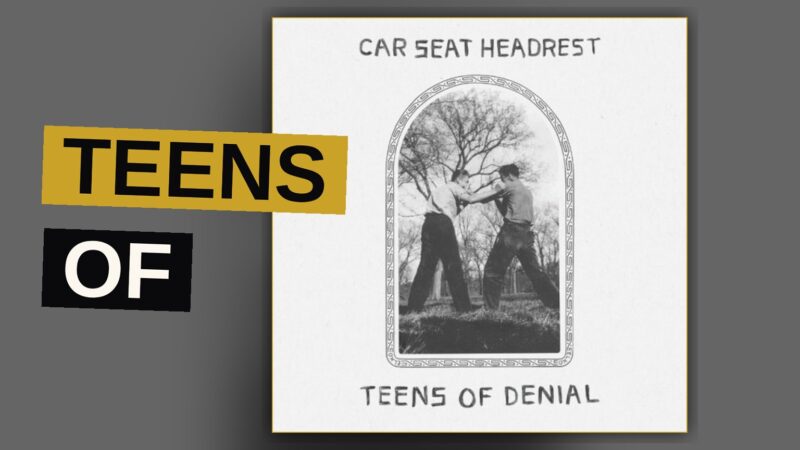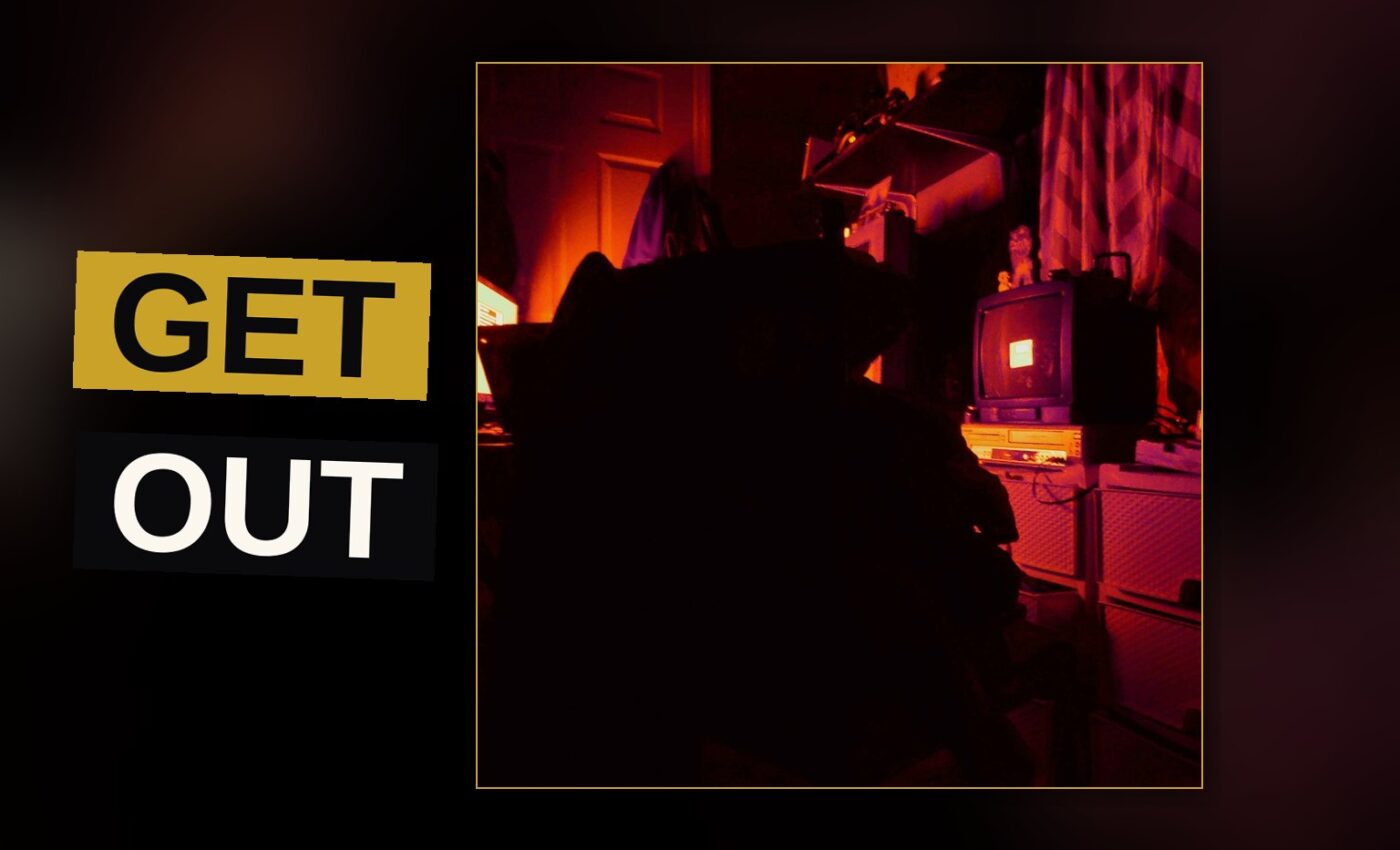
Car Seat Headrest’s Teenage Fag is a record about getting out. It is a document of a young man who had enough of a particular phase of his life and decided to capture it, in seven songs, before he could leave it behind. The album was released in 2010, and it stands as a sharp contrast to the sprawling work that preceded it — the sprawling work being the band’s earlier, more ambitious records, which ran long and meandered through ideas without ever settling into shape.
This is a tight, direct record. It is not sprawling. It is not sprawling. It is a statement of intent, and the intent is simple: make something that feels finished, that holds together, and that says what it needs to say without wasting time. The title itself is blunt. The cover art is plain. The songs are short. This is a record that knows what it is doing, and it does not waste a second doing anything else.
Teenage Night Opens the Record
The record opens with “Teenage Night,” a song that runs 7:37 and sets the tone immediately. It is a slow-burning opener, patient where the band’s earlier records were restless. The song builds gradually, layering instruments over a steady pulse, and it earns its length through patience rather than filler. It is the longest track on the album, and it makes its case slowly, letting the listener settle into the record’s mood before anything happens.
“Beach Weak” follows at 3:58, a shorter, sharper song that picks up the pace after the opener’s deliberate start. It is a brisk, almost jaunty track, and it functions as a palate cleanser after the weight of “Teenage Night.” The song is lighter in tone, with a melody that moves quickly, and it sets a different rhythm for the middle stretch of the record.
Heartless Dick and Dickless Heart
“Heartless Dick” runs just 1:23, the shortest track on the record. It is a brief, pointed song, and it works as a punctuation mark after the two longer opening tracks. It does not overstay its welcome, and it leaves the listener wanting more — more of what, exactly, is unclear, but the song’s brevity makes its point without needing to explain itself.
“Dickless Heart” is the longest song after the opener, at 7:06. It is a slower, more contemplative piece, and it sits at the center of the record’s middle stretch. The song builds gradually, adding layers as it goes, and it rewards attention in a way that the shorter tracks do not. It is the most ambitious song on the record, and it is the one that most clearly shows the band stretching beyond the confines of its own method.
Beach Drugs, Beach Death, Beach Funeral
“Beach Drugs” runs 3:50 and picks up the tempo again. It is a more upbeat track, with a driving rhythm and a chorus that sticks. It is the kind of song that makes the record feel alive, even as it carries the weight of the album’s overall mood. The song is a relief, and it earns its place as one of the record’s highlights.
“Beach Death” follows at 4:00, a darker, more ominous track. It is slower and more brooding than the songs around it, and it sets a somber tone for the record’s final stretch. The song is not cheerful, but it is not despairing either — it is a middle ground, a moment of reflection before the record closes.
“Beach Funeral” closes the album at 4:49. It is the longest closing track on the record, and it delivers a fitting finale. The song builds slowly, adding layers and building toward a climax, and it ends the record on a note of resolution rather than exhaustion. It is a strong closer, and it leaves the listener with a sense of completion.
The Verdict on the Tracks
The album’s strength lies in its consistency. Every track here earns its place, and none of the seven songs feels like filler. The shorter tracks move fast and get out, while the longer ones build patiently toward a payoff. The record’s range is narrow — there is no pop single here, no sprawling instrumental passage, no quiet acoustic interlude — but within that range, the band finds room to vary the mood from song to song.
The two longest tracks, “Teenage Night” and “Dickless Heart,” are the album’s most ambitious pieces, and they hold the record together. The three “Beach” tracks — “Beach Drugs,” “Beach Death,” and “Beach Funeral” — form a strong trilogy that anchors the record’s final stretch. The two shorter tracks, “Heartless Dick” and “Beach Weak,” function as transitions and bookends, holding the record’s two halves together without demanding attention on their own.
What the Band Said About the Record
The band has described the album as a product of a difficult period in their life. They said: “I wrote it during a period in my life where I was not feeling a lot of love. Its tone and content reflect that.” That perspective helps explain the record’s overall mood — it is a record made by someone who was not happy, and it sounds like it.
They also said: “I made it because that’s what I do – records have always marked the various phases of my life, and I needed to get out of this one, so I needed to make a record.” This is a record that exists because the band needed to make it, not because they had a concept or a message to deliver. It is a personal record, and it wears that purpose on its sleeve.
The Score
Teenage Fag is a tight, focused record that does exactly what it sets out to do. It is not sprawling, and it is not sprawling. It is a record of seven songs, each one doing its job, and the whole thing holds together as a single, cohesive statement. The shorter tracks are sharp and to the point, the longer tracks are patient and rewarding, and the record’s final stretch builds toward a satisfying conclusion.
This is a record that rewards attention. It is not a record that demands repeated plays, but it is a record that gets better the more you hear it. The songs are direct, the performances are confident, and the production is clean and uncluttered. There is nothing here that feels like wasted space, and there is nothing here that feels like it is trying too hard.
The record’s best moments — “Beach Drugs,” “Dickless Heart,” “Teenage Night” — are strong enough to stand alongside anything the band has recorded since. The weaker moments — “Heartless Dick,” “Beach Weak” — are still functional, holding the record together without drawing attention away from the stronger material. The album’s overall mood is dark, but it is not oppressive — it is a record about getting out, and it ends on a note of resolution rather than despair.
Ranking the Tracks
- “Teenage Night”
- “Dickless Heart”
- “Beach Drugs”
- “Beach Funeral”
- “Beach Death”
- “Heartless Dick”
- “Beach Weak”
The ranking reflects the record’s own logic — the longer, more ambitious tracks sit at the top, while the shorter, transitional tracks fill out the bottom. The order is not arbitrary, and it matches the way the record presents itself.
The Final Word
Teenage Fag is a strong record from a young band at a turning point in their career. It is not sprawling, and it is not sprawling. It is a record of seven songs, each one doing its job, and the whole thing holds together as a single, cohesive statement. The shorter tracks are sharp and to the point, the longer tracks are patient and rewarding, and the record’s final stretch builds toward a satisfying conclusion.
This is a record that rewards attention. It is not a record that demands repeated plays, but it is a record that gets better the more you hear it. The songs are direct, the performances are confident, and the production is clean and uncluttered. There is nothing here that feels like wasted space, and there is nothing here that feels like it is trying too hard.
The album is a document of a difficult period in the band’s life, and it sounds like it. It is a record about getting out, and it ends on a note of resolution rather than despair. It is a strong record, and it deserves to be heard on its own terms.
- Teenage Night7:37
- Beach Weak3:58
- Heartless Dick1:23
- Dickless Heart7:06
- Beach Drugs3:50
- Beach Death4:00
- Beach Funeral4:49