
‘Fingerprints’ Inside the Sun Could Reveal If It Once Swallowed a Planet
A new study claims the Sun swallowed a planet billions of years ago, leaving 'fingerprints' inside it that may still be visible today.

Research, space, climate and the natural world.
A new study claims the Sun swallowed a planet billions of years ago, leaving 'fingerprints' inside it that may still be visible today.

Physicists find a hidden 'curveball' in quantum light: lasers hit atoms hardest slightly off-center, like a spinning table tennis ball.
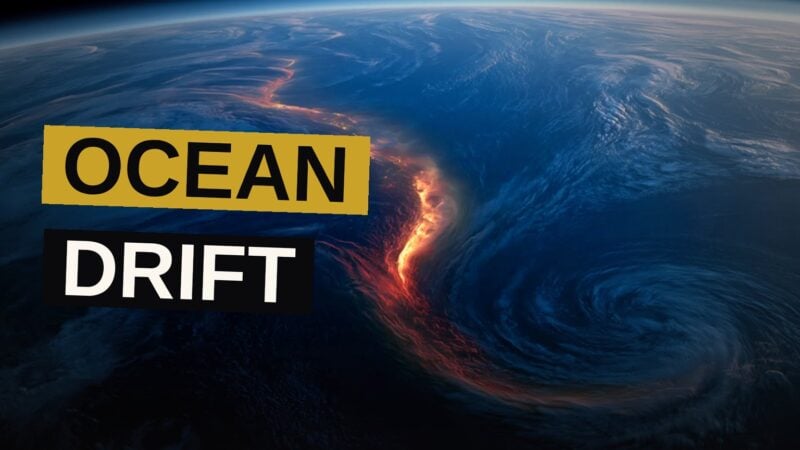
Two oceans long bound together now drift apart, a bond sundered by human hands rather than mere volcanic fire.
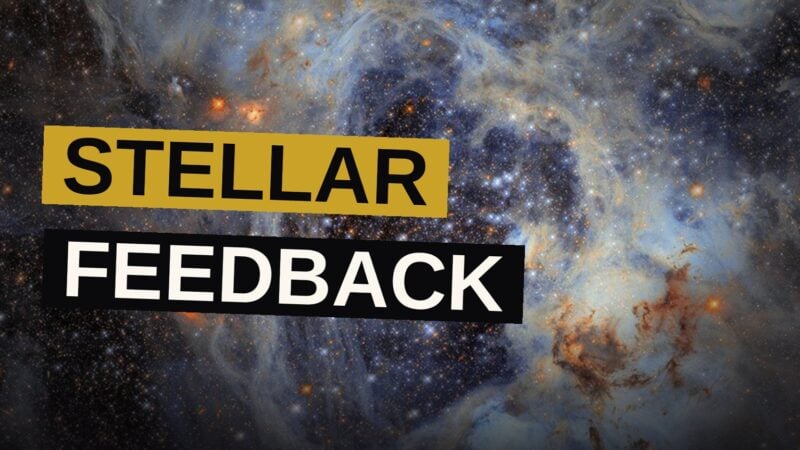
Hubble captures a vast hollow in a gas cloud where stars destroy their birthplace while creating new ones.
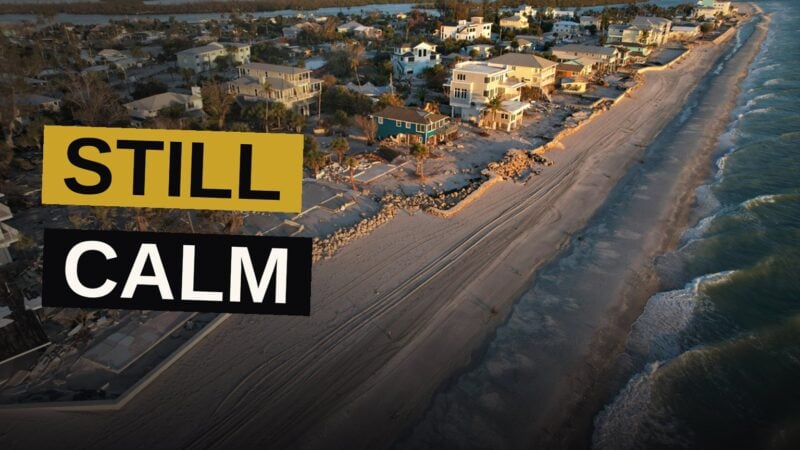
A quiet season of the sea: why no hurricane has formed this year, and what El Niño's wrath hath wrought upon the Atlantic.

A grim warning from the Antarctic abyss: the Southern Ocean may cease to be a sink for carbon and become a source.

A tale of a grand prize won by a machine, wherein a company's triumph stirs suspicion and sorrow among the learned.
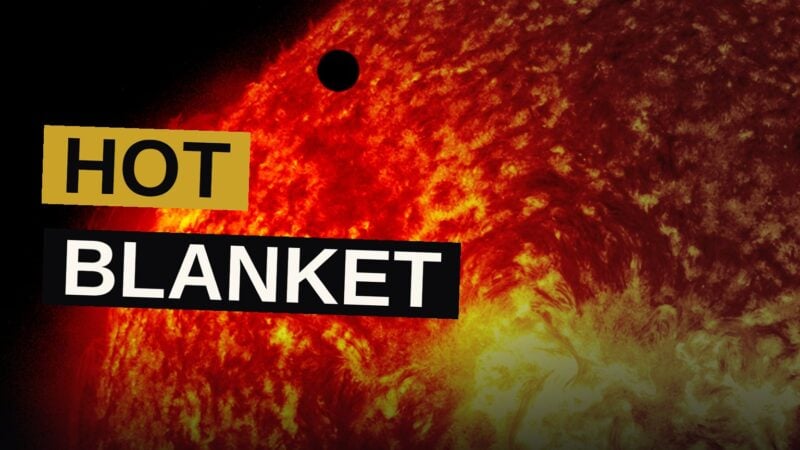
Why Venus roasts hotter than Mercury despite sitting farther from the sun? The answer lies in Venus' thick, heat-trapping blanket of atmosphere.
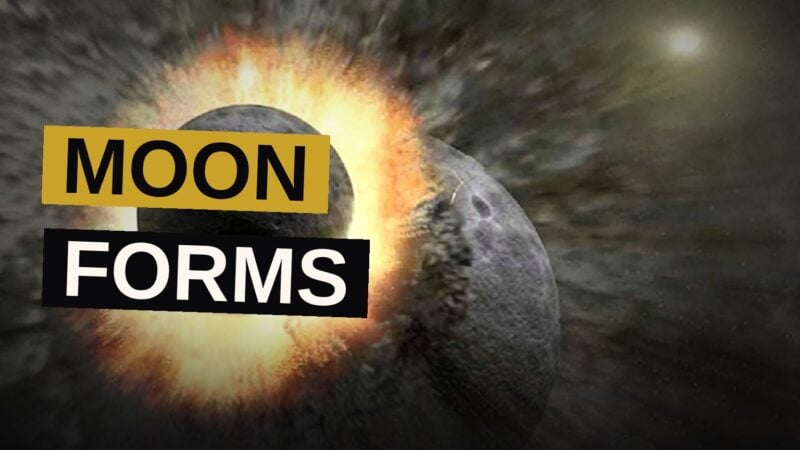
New models suggest the Moon formed as one whole object within hours after a giant collision with early Earth, challenging old ideas.
A study measures the water structure at TiO₂ surfaces during photocatalytic hydrogen production, linking surface arrangement to reaction rate.