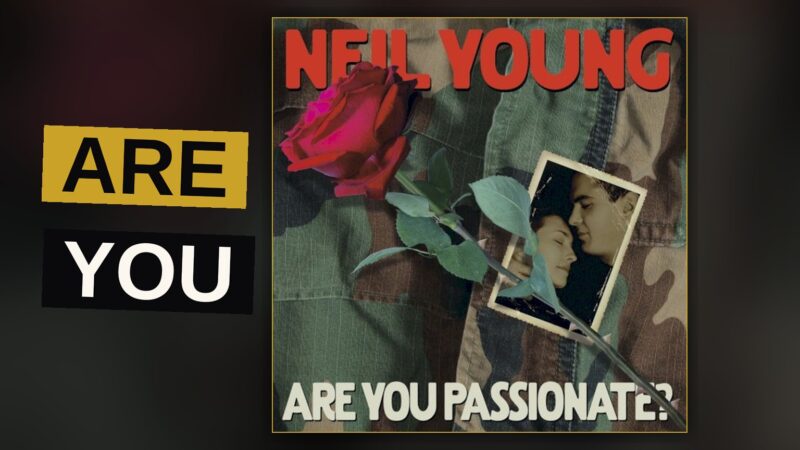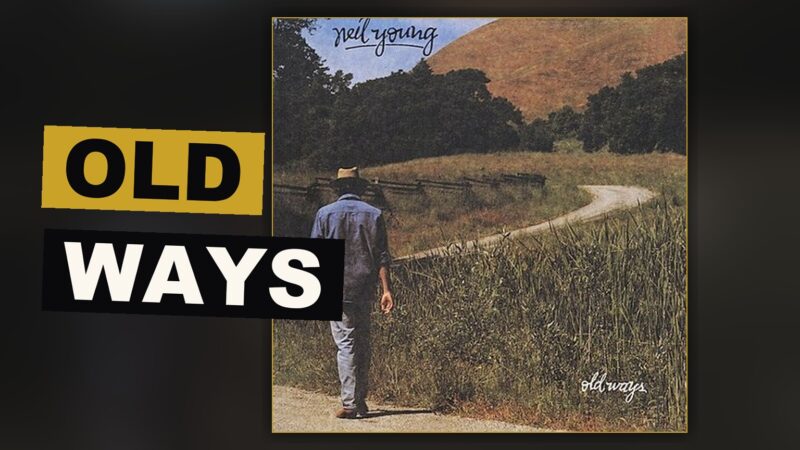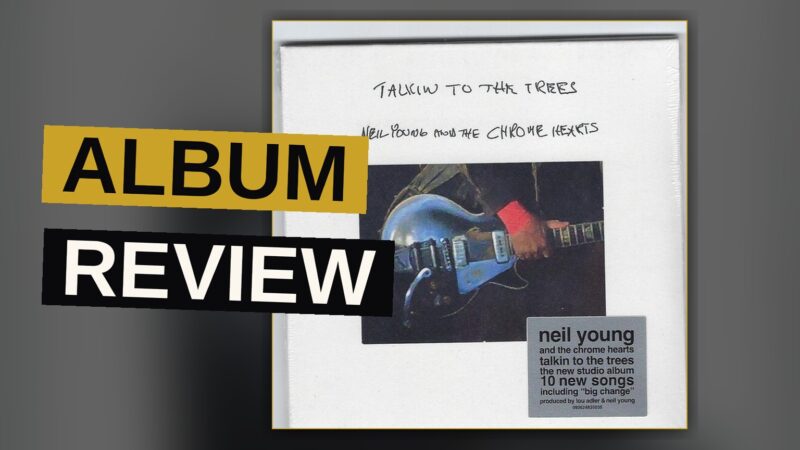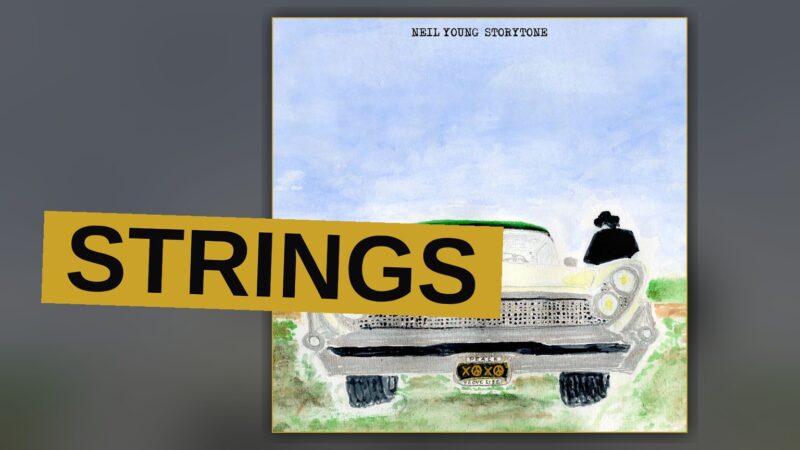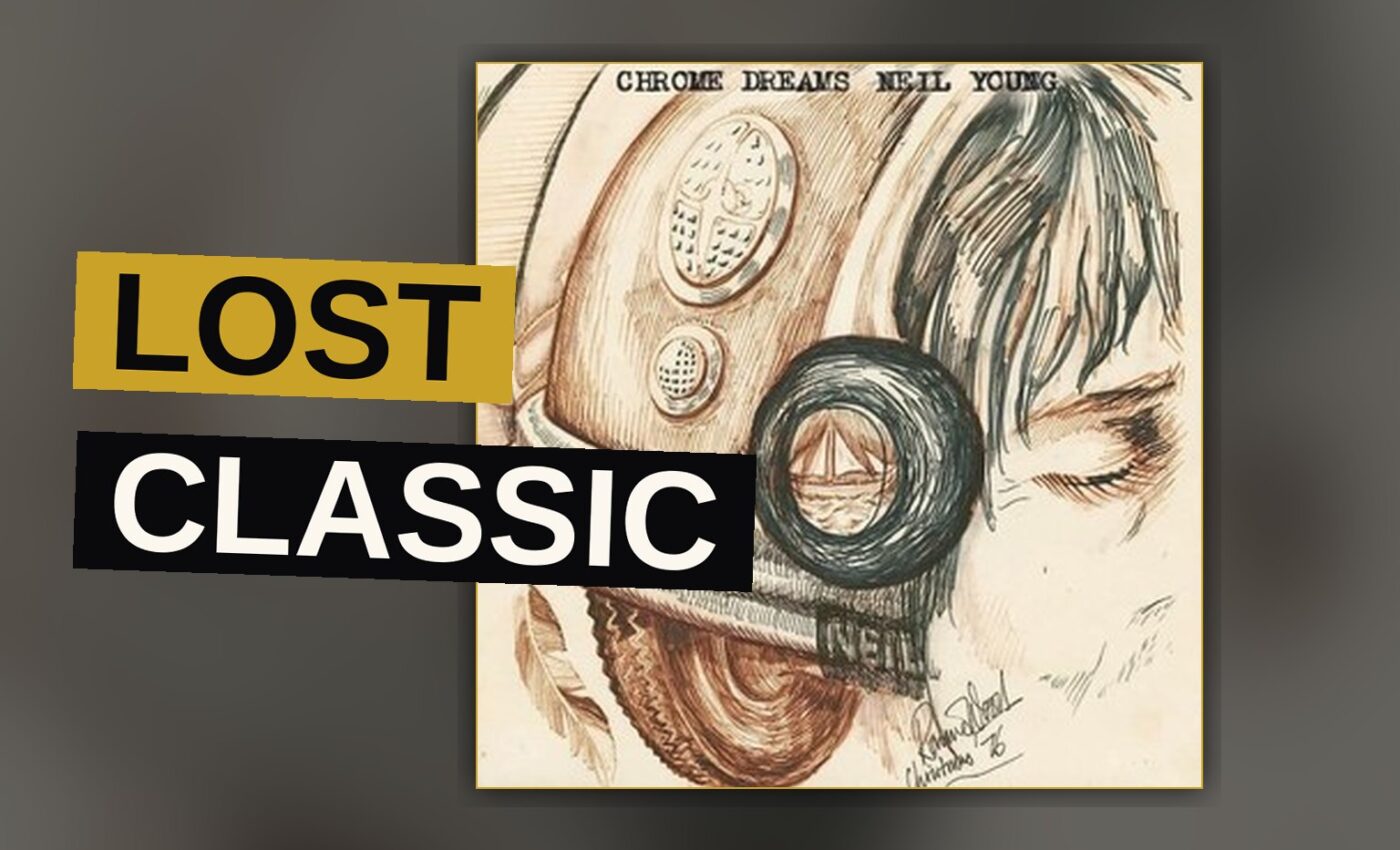
Neil Young’s Chrome Dreams is a ghost that finally got a body. The 1977 record was shelved for decades, its songs scattered across later albums like American Stars ‘N Bars and Rust Never Sleeps. Now it exists as a complete, 12-track statement, and it plays like a time capsule from the strangest, most fertile stretch of Young’s career.
The record is not a nostalgia trip. It is a document of a songwriter in motion, moving between acoustic solitude and electric violence, often within the space of a single side. The sequencing matters. Young built Chrome Dreams as a journey, and hearing these songs in their intended order reveals a cohesion that the bootlegs and compilations never hinted at. This is not a curiosity for archivists. It is a proper album, and it deserves to be judged as one.
Opening with Pocahontas
The record opens with “Pocahontas,” a three-minute meditation that has aged into one of Young’s most enduring acoustic pieces. The version here is stark, just voice and guitar, and it carries a quiet gravity that the more polished rerecordings lack. It sets a tone of reflection that the album never fully abandons, even when the amps come on.
“Will to Live” stretches past seven minutes, a slow-burning epic that feels like a private conversation with the audience. It is not the catchiest thing here, but it earns its length through patience. “Star of Bethlehem” follows, a gentle country waltz that sounds like a sigh. Together, the first three tracks establish a mood of weary tenderness, and the album is smart enough to let it breathe.
Then comes the pivot. “Like a Hurricane” erupts at track four, all eight minutes of it. This is the version that fans have chased for years, and it delivers. The guitar work is unhinged, the vocal is desperate, and the song’s familiar structure feels newly dangerous. It is the loudest argument for why this album needed to exist.
“Too Far Gone” pulls the energy back down, a short, bruised love song that clocks in under three minutes. “Hold Back the Tears” continues the introspective streak, though it is one of the softer entries here. “Homegrown” arrives next, and it is a revelation. The title track of Young’s other lost album, this version stands apart from the one that eventually surfaced. It is warmer, less polished, and all the better for it.
Captain Kennedy to Stringman
“Captain Kennedy” is a brief, narrative folk song that feels like a holdover from an earlier era. It is fine, but it is the least essential moment on the record. “Stringman” follows, a piano ballad that shows a different side of Young’s writing, more theatrical and inward. It is a curious choice for the running order, but it works as a palate cleanser.
Then the album shifts gears for its final stretch. “Sedan Delivery” is a ragged, electric rocker that sounds like a band falling down the stairs and enjoying it. It is messy, loud, and completely alive. “Powderfinger” follows, and this version is a stunner. The song is a masterpiece in any form, but here it feels immediate, less mythic and more urgent. The final track, “Look Out for My Love,” closes the record with a burst of electric energy, a five-minute scramble that leaves the listener breathless.
- “Pocahontas” — the quiet center of the album
- “Like a Hurricane” — the loudest argument for its existence
- “Homegrown” — a warmer take than the version that surfaced later
- “Sedan Delivery” — pure, ragged electricity
- “Powderfinger” — urgent and immediate
- “Look Out for My Love” — a frantic, perfect closer
The lesser tracks — “Captain Kennedy,” “Stringman,” “Hold Back the Tears” — do not embarrass themselves. They are simply less essential. They fill out the record’s emotional landscape without defining it. That is not a flaw. An album this long needs breathing room, and Young gives it to himself.
Why the Wait Worked
The question of whether Chrome Dreams should have been released back then is now moot. It exists, and it is excellent. The Metacritic aggregate of 88 out of 100 reflects that quality. The songs that appeared elsewhere in different forms now read as shadows of these originals.
Young’s decision to shelve the record remains a mystery, but the music does not suffer from the delay. If anything, the wait has sharpened its impact. These songs sound like they were made by a man who had nothing left to prove, which is exactly what makes them so compelling. There is no filler, no reaching for a hit, no concession to the moment. Just a songwriter at the top of his game, working without a net.
A Long-Lost Classic
Chrome Dreams is not just a lost album. It is one of the best things Neil Young has ever put his name to. The playing is loose, the writing is sharp, and the sequencing is near-perfect. It belongs in the conversation with After the Gold Rush and Harvest, not as a curiosity but as an equal.
The record earns its reputation. It was worth the wait, and it will be worth the repeated listens. For anyone who has ever wondered what Young was doing in the mid-1970s, this is the answer. It is a complete statement, and it stands on its own.
It is an 88 out of 100.
Get the Notebook.
The day's best stories and every fresh verdict, in plain English, in your inbox by seven. One email a day, no more.
- Pocahontas3:24
- Will to Live7:11
- Star of Bethlehem2:42
- Like a Hurricane8:14
- Too Far Gone2:41
- Hold Back the Tears5:16
- Homegrown2:20
- Captain Kennedy2:55
- Stringman3:32
- Sedan Delivery5:22
- Powderfinger3:23
- Look Out for My Love4:06