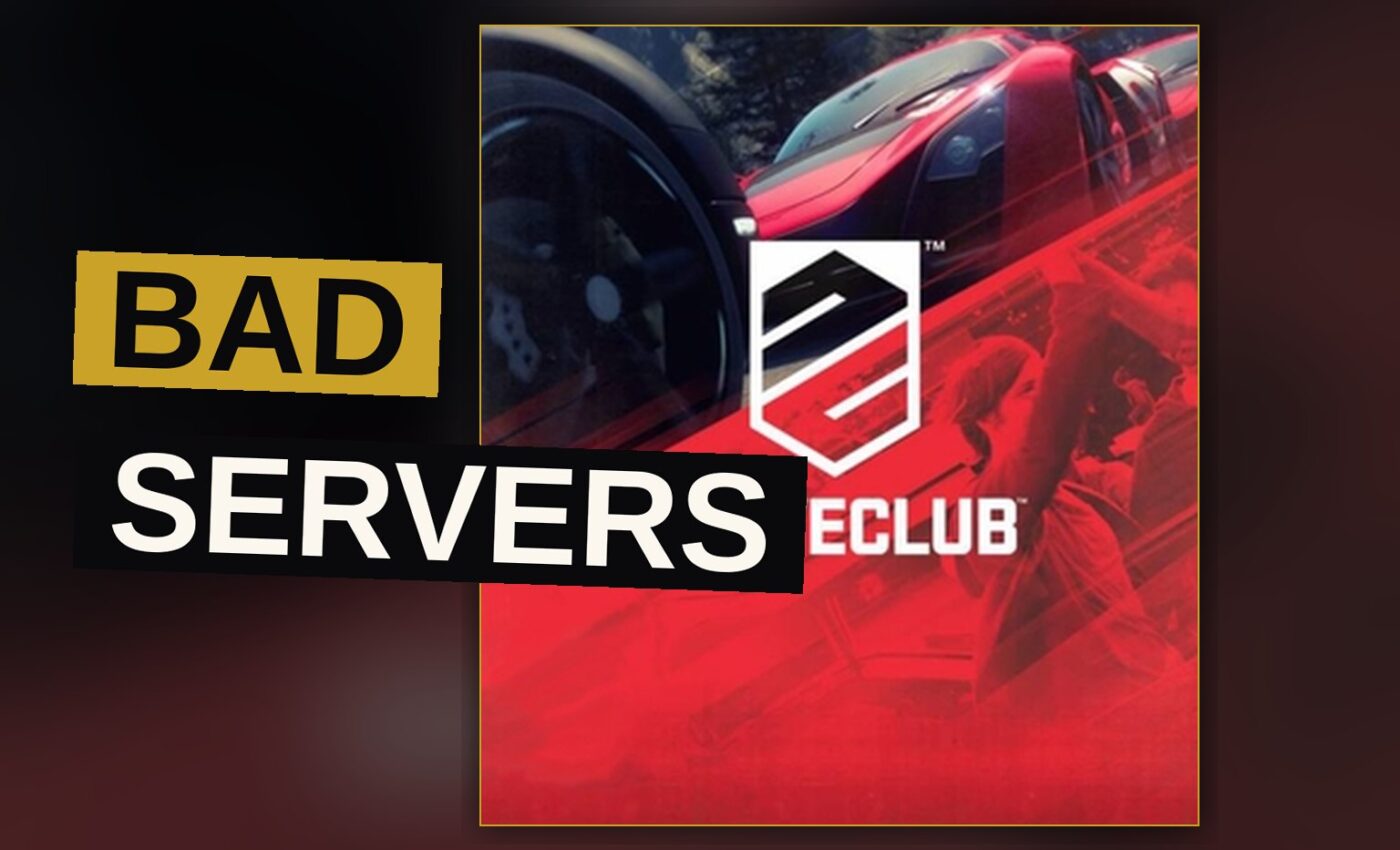
Driveclub launched on PlayStation 4 in October 2014, after an announcement at the console’s February 2013 press conference and a run of delays that pushed it past the system’s launch window. Evolution Studios built it, Sony published it, and the pitch was simple: cars rendered in staggering detail, real-world roads, and a club system that turned solo hot-lapping into a team sport. It sold 2 million copies by July 2015, which made it one of the best-selling games on the platform. It also arrived with broken online play, and that is the part people remember.
Trailer, via PlayStation.
Racing Through Norway and Tamil Nadu
Driveclub is a racing game first. The tracks and environments draw on actual places around the world, among them Norway and India’s Tamil Nadu, and the locations carry the game. The tour mode works as a campaign, handing you a set of events and an allocated car for each, with objectives to chase inside the race. Single event strips that down further: pick drift, sprint, race or time trial, then pick the location, the weather and the rest. It is a clean structure, and it respects your time.
The cars are the other half of the sell. Fifty are available from the start, with more than 60 additional vehicles downloadable from the PlayStation Store, some free and some paid. The roster is wide enough that the tour rarely forces you into something you resent.
Clubs of Six, and Fame That Sticks
The club system is the idea Driveclub is named for, and it is the best thing here. You join a club or start one, with up to six players per club, and every member’s driving feeds the same pool. Fame comes from driving well and clearing challenges, and fame sets both your personal level and the club’s level. Level up and items unlock automatically — new vehicles, accolades, colour schemes.
That last detail is what makes the clubs work. A teammate’s good run is not just a number on a leaderboard; it moves the whole group toward the next unlock. Playing alone still pays, but the game is built so that a club of six gets more out of the same hour.
Players may join a club or create their own and will compete against other clubs to ultimately see whose club is the best.
Multiplayer runs on competition and co-operation with real players, with social leaderboards, club races and online events. Challenges can be tackled during events, which gives a race a second layer beyond the finish line.
Rain and Snow Arrived After Launch
The dynamic weather system and day-night cycle arrived in a post-launch update, not on the disc. Rain and snowfall change how a track reads, and the rain is modeled with real care — each drop behaves the way a drop should. It is the kind of detail that sounds like marketing until you are driving into a storm at dusk and the road genuinely changes under you.
This is also where Driveclub’s history gets awkward. The feature that most improves the game was not present when the game was reviewed at release, and the online servers that hosted clubs, leaderboards and multiplayer were shut down on 31 March 2020. The game was made unavailable for purchase at the same time.
Inconsistent AI and Thin Variety
The criticism at release was consistent, and it holds up: online playability was criticized, the AI was inconsistent, and the gameplay lacked variety. The tour hands you objectives, but the events themselves repeat. Race, drift, sprint, time trial — the modes are distinct on paper and similar in the seat. The AI is the worse offense. An inconsistent field means a race can swing on a rival’s bad decision rather than your good one, and that undercuts the whole point of a driving game.
The controls drew praise, and they deserve it. The cars feel planted and readable. The sound design is strong. The visuals are the headline, and even now the locations and the weather hold up better than most of what shipped alongside them.
What 2 Million Copies Actually Prove
Two million copies by July 2015 is a real number, and it made Driveclub one of the PS4’s best sellers. The source reports the figure and the ranking it produced. It does not say why the game sold, and neither will this piece.
The club system is the part that deserves a second life. Six players pooling fame toward shared unlocks is a better idea than most racing games have had before or since, and it is the reason to still care about Driveclub in 2026. The weather update is the second reason. Everything else — the tour, the AI, the thin variety — is the reason it landed at a mixed reception and stayed there.
From Announcement to Server Shutdown
| Date | Event |
|---|---|
| 20 February 2013 | Announced at the PlayStation 4 press conference |
| October 2014 | Released worldwide after several delays |
| July 2015 | 2 million copies sold |
| 31 March 2020 | Online servers shut down; game made unavailable for purchase |
That table is the whole arc. Announced early, delayed, released, sold well, then switched off. Driveclub’s best features — clubs, weather, the day-night cycle — either needed servers or arrived after the reviews were already written. The game was never given a fair shot at the version of itself it eventually became.
A Beautiful Racer With One Great Idea
Driveclub is a beautiful racing game with one great idea and not enough racing around it. The locations, the weather and the controls are excellent. The club system is genuinely novel and worth the price of entry on its own. The AI, the online performance at launch and the repetition across events drag it back down. It is a 7.7 out of 10 — a game that looks like a classic and drives like a solid one, and that is the honest read on it.
Get the Notebook.
The day's best stories and every fresh verdict, in plain English, in your inbox by seven. One email a day, no more.