
The early morning hours of Sept. 13 mark 18 years since Hurricane Ike made landfall in Galveston. The Category 2 hurricane brought a storm surge of up to 17 feet across the Bolivar Peninsula, damaged over 24,000 structures around Galveston County and killed 100 people in the U.S. Will Wright, interim executive director of the Galveston Historical Foundation, put it plainly: “This happened 18 years ago. It’s still fresh in our minds.”
Wright remembers the moment the storm arrived in 2008. “It wasn’t raining yet, but the storm surge already started, and I thought, ‘Man, I’m going to get out of here,'” he said. He also remembers the wait that followed, when he could not return to his property for weeks.
The Surge That Started Before the Rain
Hurricane Ike’s surge began moving inland even before the rain reached Galveston. Wright saw it firsthand. “I knew my house was likely submerged, which it was. But I couldn’t get back for a couple weeks. So, you had a lot of waiting … which made it a tough situation for a lot of people trying to get back to look at their properties,” he said.
The damage was widespread. Over 24,000 structures were damaged across Galveston County. The death toll in the U.S. stood at 100. Wright’s experience of waiting to return home speaks to the scale of the disruption.
Traces of the Storm Still Visible
Almost two decades later, development has changed the makeup of the island. But the storm’s presence remains. Wright points to specific markers that keep the memory alive.
- Water line markers pasted to buildings
- Plaques bolted to homes that survived the storm
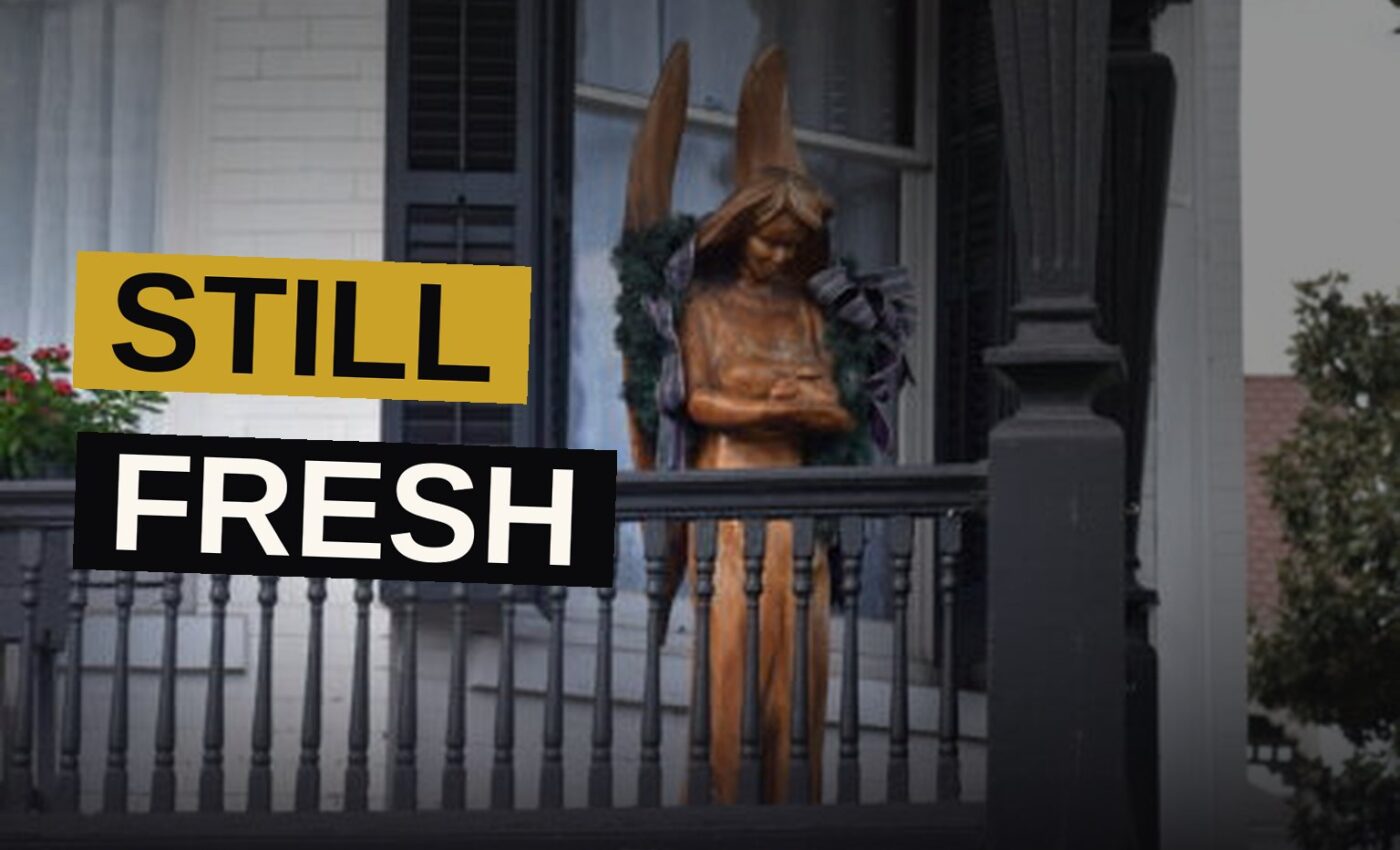
- Tree sculptures created from trees destroyed by the hurricane
“You see some of the trees … and the topography of the island changed quite a bit,” Wright said. The changes to the landscape are visible to anyone who drives around the island.
The east end of Galveston Island holds the most striking examples. Sculpture artists turned trees destroyed by the hurricane into works of art resembling dolphins, Abraham Lincoln and the Tin Man. These sculptures serve as a physical reminder of what the island lost.
Wright’s View on Memorials
Wright believes it’s important to recognize the anniversary of the storm. He sees the memorials as part of a broader human need to process trauma.
“Those are traumatic events, and I think anytime there’s a traumatic event, people look for ways to memorialize that in some sense,” Wright said. “You can see that through the plaques or through the personal stories, oral histories or however people choose to do it. You want to hold on to those memories. Even the hard ones.”
The plaques and the sculptures are two sides of the same impulse. One is personal and private, marking a home that survived. The other is public and artistic, turning loss into something new. Both hold onto the memory of what happened.
What the Anniversary Marks
The anniversary is a moment to remember the dead and the damage. It is also a chance to look at how the island has changed since then.
Galveston rebuilt, but the scars remain. Wright’s house was submerged. The plaques and the sculptures are ways of marking that history without forgetting it.
“Even the hard ones.”
That line captures the whole argument. Hard memories are worth holding onto, not burying.
The Weight of 18 Years
Eighteen years is a long time. It is also not very long when you are living with the memory of a disaster that reshaped your home. Wright’s words suggest that the passage of time has not dulled the memory, only sharpened it.
The storm surge started before the rain. That is a strange and frightening image. The water moved first, and then the sky opened. Wright saw it coming and decided to leave.
Wright describes that wait as a difficult situation for people trying to look at their properties. The plaques and sculptures are ways of making that suffering visible. They are also ways of making it bearable. A marker on a wall says the water came here. A sculpture says the tree died here. Both are ways of naming the loss.
A Community That Remembers
Galveston has changed since Hurricane Ike hit. Development has altered the island’s makeup. But the traces of the storm are still there. Wright sees them in the water line markers, the plaques and the sculptures.
The island has not forgotten. Neither has Wright. His words, spoken 18 years later, carry the weight of that memory. The storm happened 18 years ago, and it is still fresh in his mind.
That is the lesson of the anniversary. Time does not erase everything.