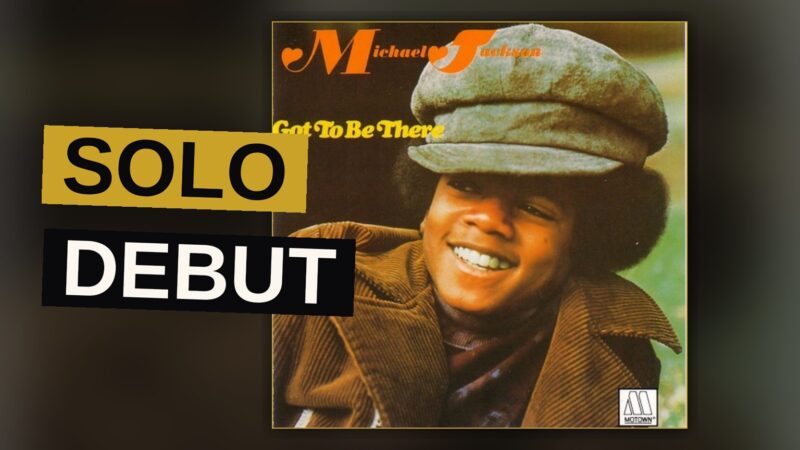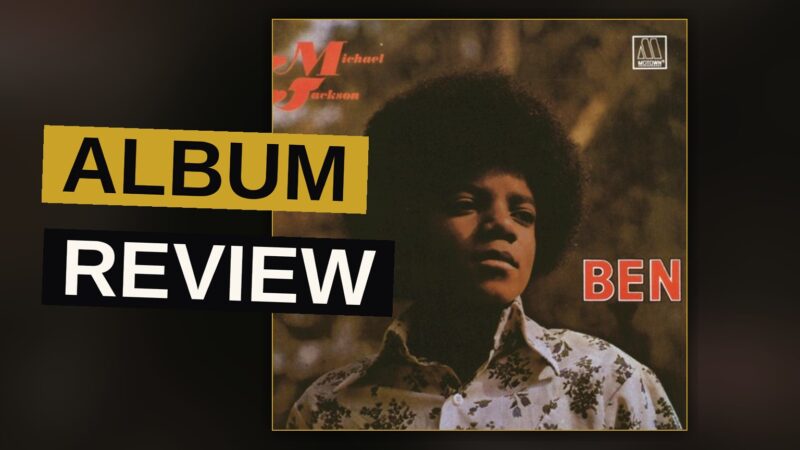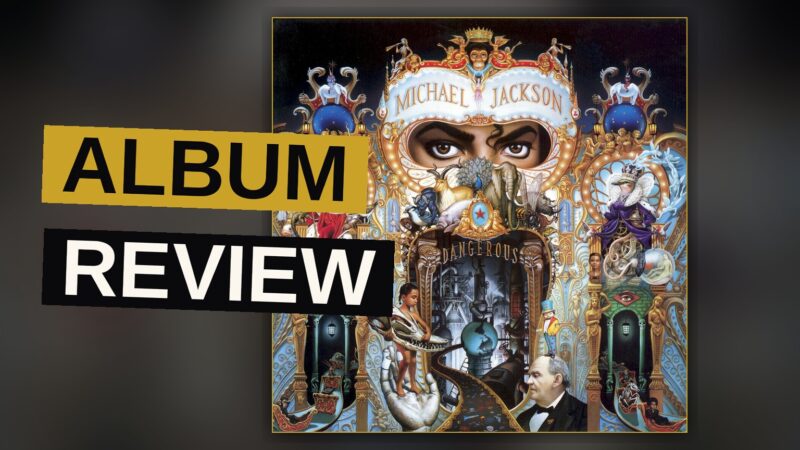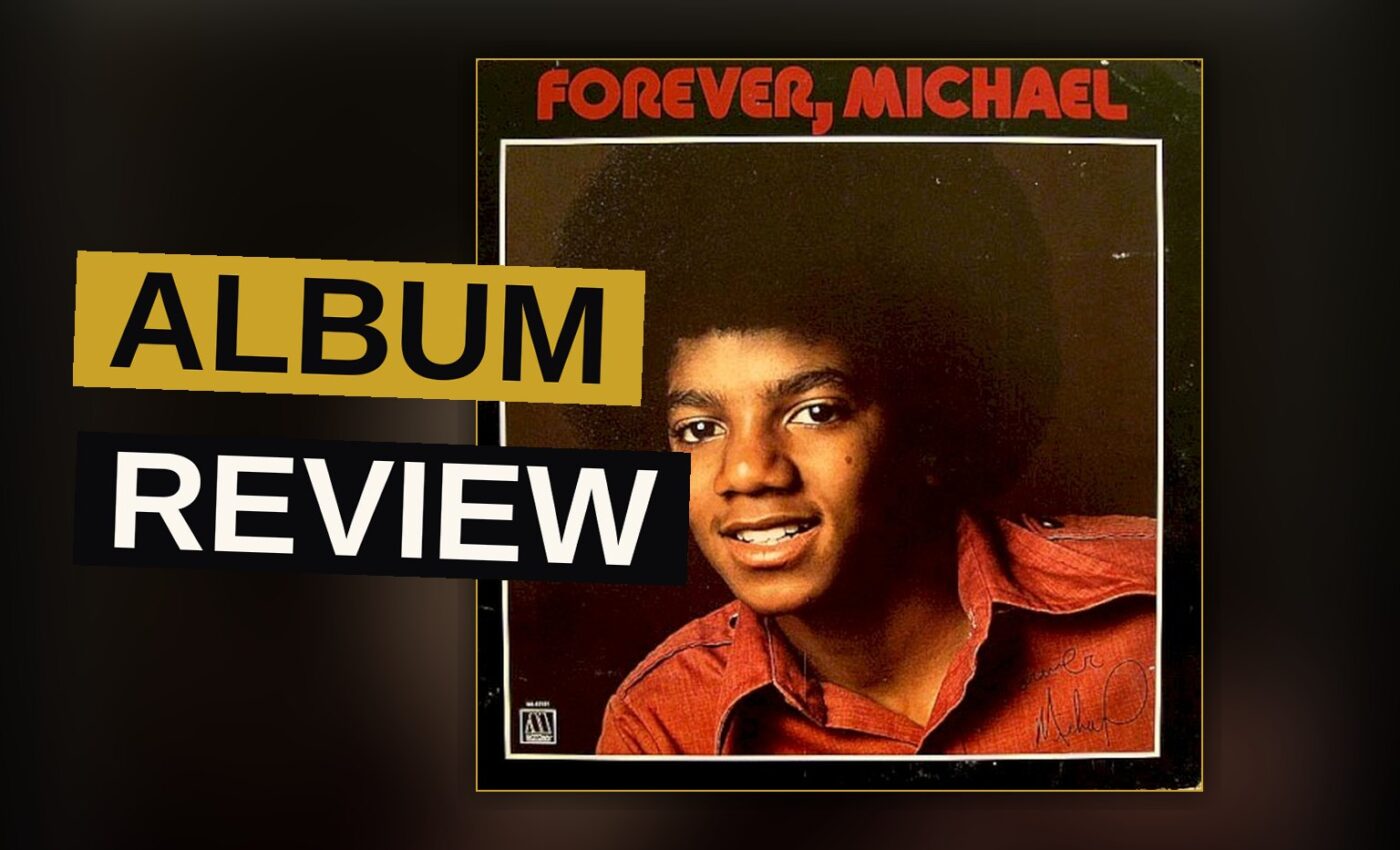
Forever, Michael is the record a 16-year-old Michael Jackson made while he was outgrowing the child-star box Motown had built for him. Released in 1975, it is a transitional album in the truest sense: Jackson sings with more control and more feeling than he had ever shown, but the songs and the arrangements look backward to the label’s older soul catalog rather than forward to the dancefloor reinvention that was just over the horizon. It is not a record trying to break new ground. It is a record trying to prove that its singer could carry adult material with adult weight — and on that narrow terms, it largely succeeds.
We’re Almost There and the Album’s Slow-Burn Opening
The album opens with We’re Almost There, a sweeping, string-laden ballad that sets the tone for everything that follows. Jackson’s voice is the whole story here; he leans into the melody with a confidence that his earlier solo work rarely managed, and the track’s slow, deliberate build gives him room to show off his phrasing. It is the right choice for an opener because it announces the album’s intent immediately: this is not the bubblegum pop of his early solo records, and it is not the funk of the Jackson 5’s recent hits. It is a grown-up attempt at a grown-up sound.
Take Me Back follows and keeps the tempo down, another ballad that leans on Jackson’s ability to sell a lyric of longing. The arrangement is pleasant but unremarkable — the kind of soft, mid-tempo soul that Motown had been producing for a decade. What lifts it is the vocal. Jackson sounds genuinely invested in the material, and that investment carries the track past its generic bones.
One Day in Your Life and the Record’s Quiet Peak
One Day in Your Life is the album’s standout, and it is easy to hear why critics singled it out. The song is a simple, direct ballad about lost love, and Jackson delivers it with a restraint that makes the emotion land harder. He does not oversing; he lets the melody breathe, and the result is the most mature vocal performance on the record. The arrangement is still retro — the strings and the soft backing vocals could have come off a 1960s Motown session — but the voice in front of it is clearly something new.
Cinderella Stay Awhile is a lighter, more playful number, and it is a bit of a step back. The song is fine, but it feels like it belongs on an earlier, younger Michael Jackson record. The vocal is charming, but the material does not challenge the singer the way the album’s first three tracks do. It is a pleasant interlude rather than a highlight.
We’ve Got Forever returns to ballad territory and gives Jackson another chance to stretch. The song’s title track, it is a duet of sorts with the arrangement rather than another voice, and it works well enough. It is not as strong as One Day in Your Life, but it keeps the album’s mood consistent.
Just a Little Bit of You and the Mid-Album Lift
Just a Little Bit of You is the second track critics consistently pulled out for praise, and it is easy to hear why. It is the closest the album comes to a contemporary pop-soul sound, with a more insistent rhythm and a hook that actually hooks. Jackson sounds energized here, and the song’s brighter, more urgent tone provides a welcome shift from the string of ballads that precedes it. It is the track that most suggests what Jackson would do on later records, even if it does not fully get there.
You Are There is another ballad, and by this point the album’s reliance on slow tempos starts to feel like a limitation. The vocal is good — Jackson never gives less than a committed performance — but the song itself is the kind of filler that pads out a record rather than advancing it. It is the first track that feels genuinely disposable.
Dapper-Dan is an oddity. The title suggests a character sketch, and the song delivers something like that, but the arrangement is so firmly rooted in older Motown styles that it plays like a period piece rather than a current statement. It is not bad, but it is the clearest evidence of the album’s central problem: the music around Jackson is stuck in the past while he is clearly ready to move on.
Dear Michael and I’ll Come Home to You: The Home Stretch
Dear Michael is a short, sweet ballad that gives Jackson a chance to sing directly to his audience. It is the most personal-feeling track on the record, and Jackson’s delivery is warm and unaffected. It does not aim high, but it lands what it attempts.
I’ll Come Home to You closes the album on a gentle note. It is another ballad, another promise of devotion, and another solid vocal over a dated arrangement. As a closer, it works well enough, but it also underscores how samey the back half of the record can feel. The album ends not with a bang but with a soft, familiar sigh.
“Jackson sang appealingly, the arrangements were noticeably similar to many older Motown charts, and there was little here to hint that, four years hence, on his next solo album, Off the Wall, Jackson would emerge as a major star.”
The Arrangements: A Step Behind the Voice
The single biggest issue with Forever, Michael is the production. The arrangements are competent but conservative, built on the same string sections, soft horns and gentle backing vocals that had defined Motown’s sound for a decade or more. There is nothing here that sounds like 1975; there is nothing that sounds like the future. The album’s critical reputation — as a mature but transitional effort that lacked contemporary flair — is exactly right. Jackson’s voice is ready for the next phase of his career, but the music around him is not.
This is particularly striking given what was happening around Jackson at the time. The year before, “Dancing Machine” had given Jackson and his brothers a career rebirth with its contemporary dance style. Forever, Michael does not attempt anything like that. It is a step backward in sound even as it is a step forward in vocal maturity. The result is a record that feels out of step with its moment, a collection of songs that could have been released five years earlier without anyone noticing.
The Vocal Performance: Why the Record Still Works
What saves Forever, Michael — and what makes it worth revisiting — is the voice. Jackson was 16 when he recorded this album, and he sings with a control and an emotional intelligence that most singers twice his age never achieve. He does not just hit the notes; he shapes them, bending phrases and holding back at exactly the right moments. The material is often generic, but Jackson treats every song as if it matters, and that commitment elevates the record as a whole.
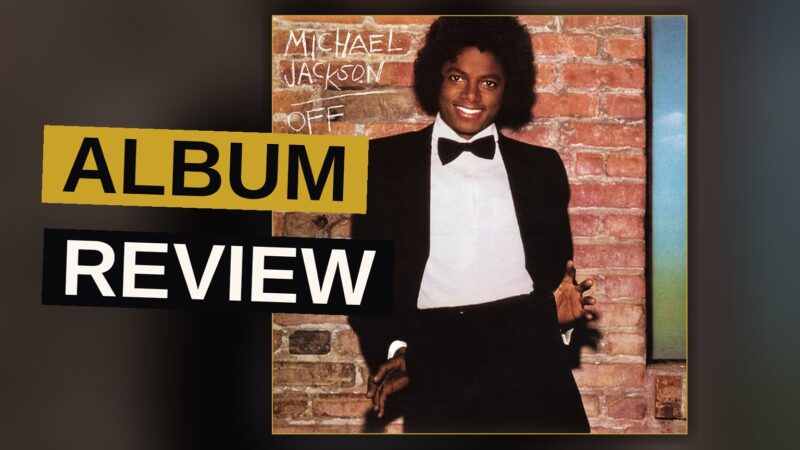
It is also worth noting what the album does not do. There is no hint here of the disco-funk direction Jackson would take on Off the Wall four years later. There is no sign of the pop superstar he would become. Forever, Michael is a record of a singer in between — too old for the child-star material that made him famous, not yet ready for the adult pop that would define his legacy.
The Verdict
Forever, Michael is a good album with a great vocal performance at its center. It is not a lost classic, and it is not a record that demands a place in the conversation about Jackson’s best work. But it is a sincere, well-sung collection of ballads that shows a young artist working hard to prove he could do more than dance and grin. The arrangements date it badly, and the track list sags in the middle, but the voice on every song is the sound of a star in formation.
Jackson would not make a truly great solo album until Off the Wall, but Forever, Michael matters as a stepping stone. It is the record where he stopped singing like a child and started singing like a man. That is not enough to make it essential, but it is enough to make it worth hearing.
For what it is — a mature, transitional effort from a singer on the edge of something bigger — it earns a solid 6 of 10.
- We’re Almost There3:46
- Take Me Back3:27
- One Day in Your Life4:17
- Cinderella Stay Awhile3:11
- We’ve Got Forever3:13
- Just a Little Bit of You3:13
- You Are There3:24
- Dapper-Dan3:12
- Dear Michael2:37
- I’ll Come Home to You3:00