
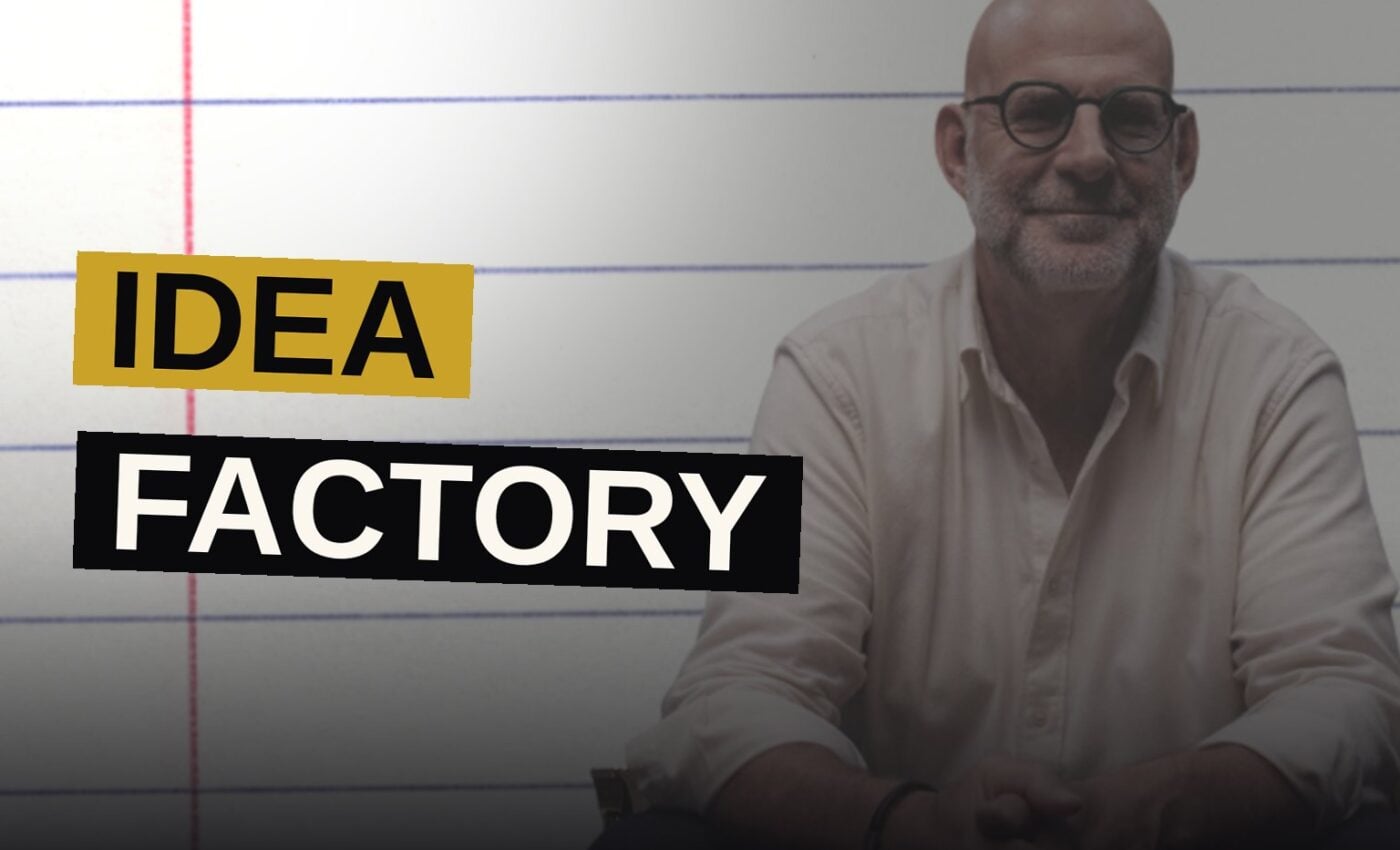
Harlan Coben has a confession: he gets ideas from the simplest possible source. In a new essay for Lit Hub’s Craft of Writing newsletter, the bestselling author explains that most of his stories begin with a single question — “What if?” — and a willingness to follow it wherever it leads.
The piece, titled “Harlan Coben Answers the Age-Old Question: ‘Where Do You Get Your Ideas?’,” walks readers through the exact moment a premise for his eighth Myron Bolitar novel, Promise Me, came together. It is a story about a promise, a missing teenager, and a writer who admits the whole thing started from overhearing kids talk about drinking and driving.
The Overheard Conversation
Coben was at his neighbor’s house when he overheard their teenage kids discussing alcohol and driving. The year was before Uber existed, so the stakes felt immediate. The author loved those teenagers, and he felt an obligation to do something about it.
When he knew their parents were out of earshot, he pulled the teens aside and made a promise. “Promise me,” he said, “you won’t do that. Promise me you’ll never get in a car with someone who has been drinking. Here’s my phone number. I don’t care what time it is. I don’t care how far away you are or how drunk or stoned or high or whatever you are. Call me and I will come pick you up. No questions asked. I won’t tell your parents.”
The teens never called him. They grew up and became adults and parents themselves. But Coben is a writer, and writers don’t let the world stop at the end of a conversation.
From Promise to Plot
The essay traces the path from that promise to the opening of Promise Me. Coben asks a series of “what if” questions:
- What if a teenage girl named Aimee calls Myron Bolitar at 2 a.m. because of that promise?
- What if Myron drives into New York City, picks her up on a street corner, and drops her at a friend’s house in New Jersey?
- What if the next day Aimee is missing?
- What if no one at the house even knows who she is?
Those questions create conflict, situation, and a world worth exploring. Coben writes that the promise itself creates tension: how would Aimee’s parents react when they heard Myron made it and didn’t tell them? How would Myron feel about his promise? How would the reader feel? Was the promise a mistake? Should he have told Aimee’s parents anyway?
The essay makes a case for the power of curiosity, quoting Einstein along the way. “I have no special talent,” Einstein said. “I am only passionately curious.” Coben argues that the best artists, writers, scientists, and entrepreneurs all share that trait — genuine curiosity, childlike curiosity.
The Writer’s Mind Frame
Coben describes a writing life that blurs the line between reality and fiction. People close to him have a phrase for it: “Oh, Harlan is going off to La-La Land.” His mind drifts during conversations, and he sometimes holds up his hand, asks for silence, and starts writing something down.
He carries a backpack everywhere, full of a laptop, a legal pad, a smaller notebook, pens, and snacks. He calls it clearing the runway — never letting anything get in the way of writing. “I don’t want to give the fickle muse a chance to wander or find another dance partner,” he writes.
The writer’s mindset comes with advantages, Coben argues. You have to go to museums, read books, watch movies, travel, and try new things. The goal is to keep the brain stimulated and full.
What the Essay Teaches
The essay is less a how-to manual than a peek into Coben’s process. He embraces the question “Where do you get your ideas?” rather than tolerating it. He lives by a simple credo: if something helps him produce pages, good. If it doesn’t, bad.
There is a lightness to the piece, a sense that Coben enjoys telling this story. He admits the premise is thin — a promise, a call, a missing girl — and sells it with enthusiasm.
| Section | What Coben Does |
|---|---|
| Opening | Explains how most fiction begins with “what if” |
| Middle | Details the moment the Promise Me premise formed |
| Back Half | Explores curiosity and the writer’s mind frame |
| Closing | Offers practical advice on staying ready to write |
The essay ends with a note about being ready. Coben’s advice is straightforward: carry your tools, clear the runway, and don’t let the muse wander. It is a reminder that great ideas often start small — a conversation overheard, a promise made, a question asked.
Coben’s point is that the question matters more than the answer. The “what if” is the engine. The rest is just building the car.