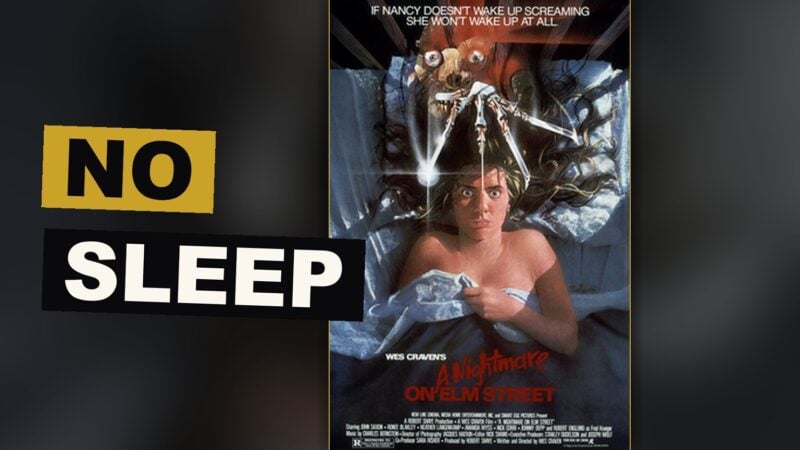
Into the Wild is a movie about a young man who walks away from everything he knows and dies alone in the Alaskan wilderness. It is also a movie about family, ambition, and the strange pull of a life that feels too small. Sean Penn directs, and he lets the story breathe. The film runs nearly two and a half hours, and almost every minute earns its keep.
Emile Hirsch plays Chris McCandless, a recent college graduate who leaves his car in California and travels north, eventually ending up in Alaska. He drops his name, takes on a new one, and sets out to live off the land. The movie traces his journey through several stops, each adding a layer to his character: a truck stop where he finds kindness, a bus station where he meets a hitchhiker, and finally the river delta where he spends his last months.
Trailer, via YouTube Movies.
The Heart of the Story
The central question of Into the Wild is simple: why? Why does a young man with a promising future, a loving family, and a comfortable life choose to walk away from it all? The film offers answers, but it never settles on one. It presents McCandless as a romantic, a dreamer, and a man who cannot bear the weight of his own success. That ambiguity is the film’s strength.
Penn directs with restraint. He does not force the story into a moral lesson. Instead, he lets the landscape speak. The wide shots of mountains, rivers, and tundra are beautiful, but they are not window dressing. They are part of the character’s inner world, a reflection of his desire to escape the narrow confines of society.
Hirsch carries the film. His performance is quiet and controlled, and he makes McCandless both sympathetic and frustrating. We understand why he runs, even as we wonder if he is running from the wrong things. The supporting cast, including William Hurt as the hitchhiker John Krakauer, delivers strong work, but this is Hirsch’s showcase.
The Family Narrative
The film is structured around two timelines: McCandless’s journey and the parallel story of his parents, played by Marcia Gay Harden and William Hurt. This framing device is effective. It allows us to see the family dynamics that shaped him, and it explains why his decision to disappear makes sense to him even as it destroys his mother and father.
The performances are excellent. Harden is particularly strong as a mother who tries to hold her family together while her son falls apart. Hurt plays both the hitchhiker and the father, and he brings a weary wisdom to both roles. The scenes between the three actors are the emotional core of the film.
The Book vs. the Screenplay
Into the Wild is adapted from Jon Krakauer’s nonfiction book of the same name. The film takes some liberties with the story, compressing events and altering details. These changes are mostly harmless, but they occasionally shift the meaning of the narrative. The book is a work of journalism and memoir; the film is a work of fiction. That distinction matters.
Here is a quick comparison of the two:
| Element | Book | Film |
|---|---|---|
| Tone | Documentary-style reportage | Dramatic storytelling |
| Perspective | Multiple, including Krakauer’s | Limited to McCandless |
| Length | Shorter | Expanded |
The film’s version is more theatrical, which is not necessarily a bad thing. It makes the story easier to follow, but it also flattens some of the complexity of the real events.
The Alaska Stretch
The final stretch of the film, set in the Alaskan wilderness, is where the movie risks losing its audience. Penn slows the pace considerably, and the scenes of McCandless alone in the wild can feel monotonous to viewers who want a more conventional plot. But this is the point. The film is asking us to sit with discomfort, to experience the isolation that McCandless embraced.
The music, composed by Alex de Papineau, is sparse and effective. It never overpowers the image, and it stays in the background until the final act, when it swells during the film’s most emotional moments. The sound design is also notable, capturing the silence of the wilderness with a clarity that few films achieve.
The Final Word
Into the Wild is a flawed but powerful film. It is not perfect, and it is not for everyone. Some viewers will find the middle sections slow and repetitive. Others will find the ending manipulative. But the best scenes, especially those involving the family, are genuinely moving.
Here is how the film’s elements rank, from strongest to weakest:
- Acting performances, especially Hirsch and Harden
- Direction by Penn, particularly in handling the landscape
- The family storyline
- The Alaska wilderness stretches
- The adaptation’s fidelity to the source material
The score reflects this mix. It is a solid, thoughtful film that occasionally loses its grip. It is worth seeing, but it is not essential viewing.
Into the Wild is currently available for streaming on Amazon Prime Video, Google Play Movies, YouTube, Apple TV, iTunes, Vudu, and other platforms. It is worth tracking down if you have not seen it.
The film ends with a message that is both inspiring and sad. McCandless found what he was looking for, but he paid for it with his life. The movie does not argue that his path was the right one. It simply shows us what he saw and why he could not look away.
Get the Notebook.
The day's best stories and every fresh verdict, in plain English, in your inbox by seven. One email a day, no more.