Dick Wolf’s Law & Order premiered in 1990 and quietly redefined what a network drama could be. It wasn’t flashy. It didn’t need to be. The show split its hour into two clean acts: the police investigation, then the prosecution. That structure became a formula, but the formula worked because the writing treated crime as a civic problem, not just a plot device.
The show’s longevity is its own argument. It ran for 20 seasons on NBC, spawning a franchise that still fills prime-time slots today. But the original series remains the purest version of Wolf’s idea: a procedural that cared less about the perpetrator’s psychology and more about the system that processes them.
Trailer, via Shock Entertainment.
A Two-Half Engine That Never Stalls
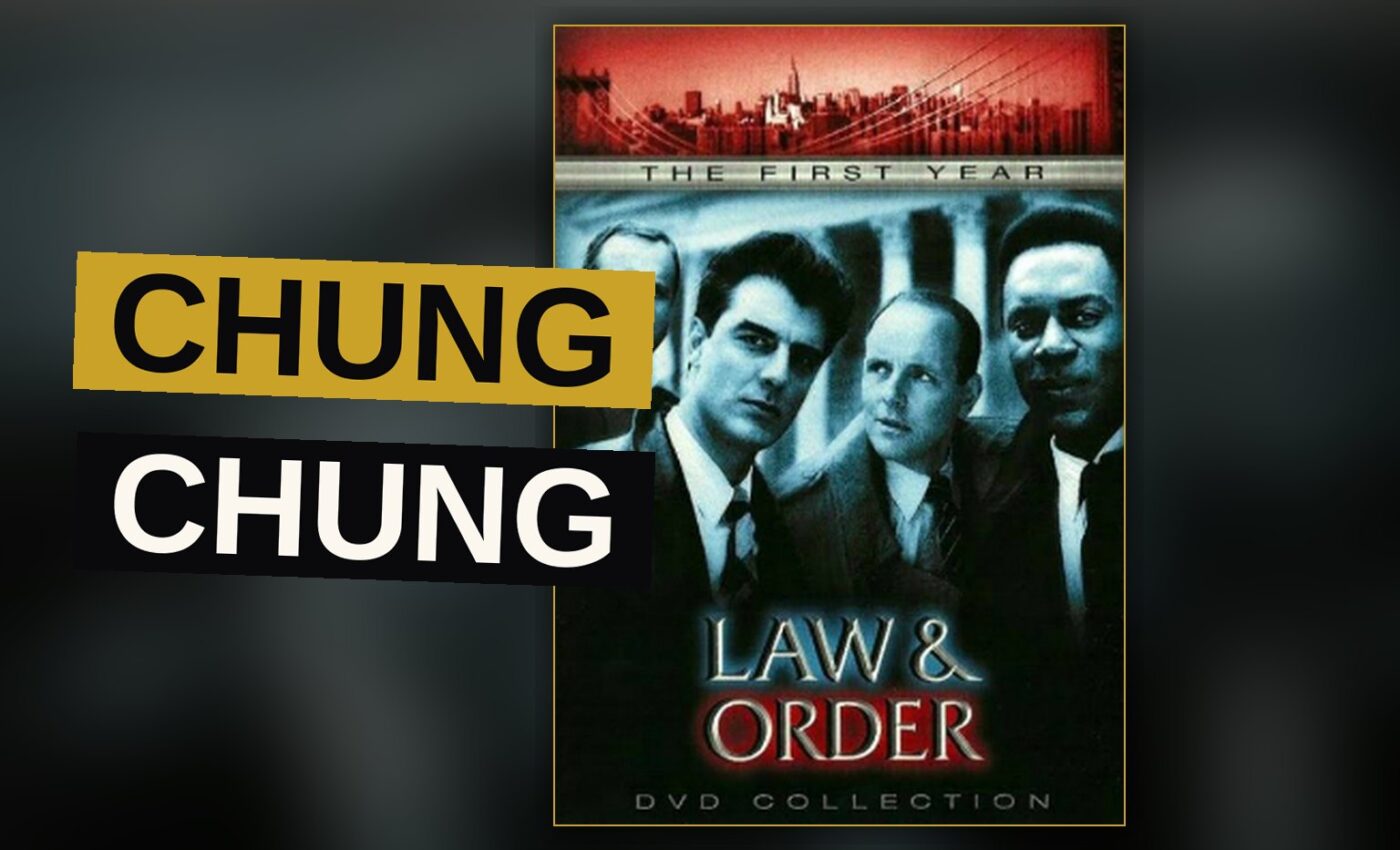
The cold open is a masterclass in efficiency. A body is found. A detective makes a dry observation. The famous “chung chung” sound hits. Then the first half follows Lennie Briscoe or his predecessors as they knock on doors and lean on witnesses. The second half shifts to the district attorney’s office, where Jack McCoy and his colleagues argue about plea deals and legal technicalities.
That split meant no single character dominated. The show was the star. Actors cycled through the cast like witnesses through a courtroom, and the writing kept its focus on the case file. It was a deliberate choice that made the series feel less like a soap opera and more like a civic report.
Gray Areas, Not Black and White
Law & Order rarely offered clean moral victories. A suspect might be guilty but walk free on a technicality. A prosecutor might win a conviction while compromising a principle. The show’s writers pulled stories from headlines, and they didn’t pretend the justice system was tidy.
That ambiguity gave the series its weight. It wasn’t cynical, exactly, but it was clear-eyed about how the law actually works. The best episodes left you unsettled rather than satisfied.
The Legacy It Built
You can trace nearly every modern police procedural back to this show. Law & Order proved that audiences would accept a weekly format that didn’t end with a hug or a laugh track. It trusted viewers to follow legal jargon and moral complexity.
The dialogue is clipped and functional, but that spareness became a signature. Watch any episode from the mid-90s and you’ll see the template that The Wire and countless others later expanded. Wolf built a machine, and the machine still hums.
Why It Still Runs
The show’s reruns still play somewhere at almost any hour. That staying power isn’t an accident. The cases are dated, but the questions are not. How much evidence is enough? What does a fair trial cost? When does the system protect the guilty?
Law & Order answered those questions with restraint and a steady hand. It never preached. It just showed the work.
The series is not perfect. Some episodes feel rushed, and the rotating cast can blur together. But the core product holds up better than most dramas from its era. It is a reliable, intelligent hour of television that respects its audience.
Score: 7.8/10.
- Premiere: 1990, NBC
- Original run: 20 seasons, 456 episodes
- Format: 60-minute episodes, split police/courtroom
- Score: 7.8/10 (IMDb user rating)
- Reviewer’s assessment: Praised for realism and structure